
In this post, I’ll share my first safari experience in East Africa and the things I learned along the way. While I was visiting Dar es Salaam with family, I had no plans to do a safari. However, with so many days in Tanzania, I thought I would regret not visiting a wildlife park.
I asked the front desk at the Hyatt Regency Kilimanjaro for any recommendations. They put me in touch with Adam from Adam Safari, who told us he’s an offshoot of Abuu’s Tanzania Tours (based out of Arusha).
Adam came to our hotel and spent about an hour explaining the different options. Since we only wanted to be away from mom for one day, we narrowed down our choices to a same-day safari. We had two parks to choose from, Mikumi and Nyerere; Adam recommended Mikumi.
Because Adam didn’t have any online presence, I was nervous about handing over USD $1,080 for the four of us (USD $270 each). Sensing my anxiety, Adam asked me to “open your heart to me, and you’ll have a good time”.
One-Day Mikumi National Park Safari Itinerary
The itinerary for the next day was scheduled as follows:
| 07:20AM | Depart hotel via car to take the Tanzania Railway Corporation (TRC) train |
| 08:00AM | Depart Dar es Salaam Station (aka John Pombe Magufuli Train Station) via TRC heading to Morogoro Station |
| 09:30AM | Arrive at Morogoro Station and depart via car to Mikumi National Park |
| 11:00AM | Arrive at Mikumi National Park |
| 18:30PM | Sunset at Mikumi National Park |
| 19:00PM | Depart Mikumi National Park via car to Morogoro Station |
| 20:30PM | Depart Morogoro Station via TRC heading to Dar es Salaam |
| 22:00PM | Arrive at Dar es Salaam Station |
We were told to be ready at 7:20AM sharp in the hotel lobby. There was a part of me that half expected nobody to show up given how nonchalant things are in Tanzania. I sent a “good morning” message to Adam and he promptly replied, which gave a boost in confidence.
Tanzania Railway Corporation (TRC) Train Experience
Adam showed up right on time and we headed out to the TRC Dar es Salaam Station, which was only a few minutes’ drive from our hotel. The station’s security protocol was similar to China where we had to remove metal objects and run the bags through x-ray scanners.
The whole process was efficient. The only odd thing being that we had to go through an immigration check even though we were travelling within Tanzania. This was only applicable to us foreigners. Perhaps this was put in place temporarily given the recent political unrest.
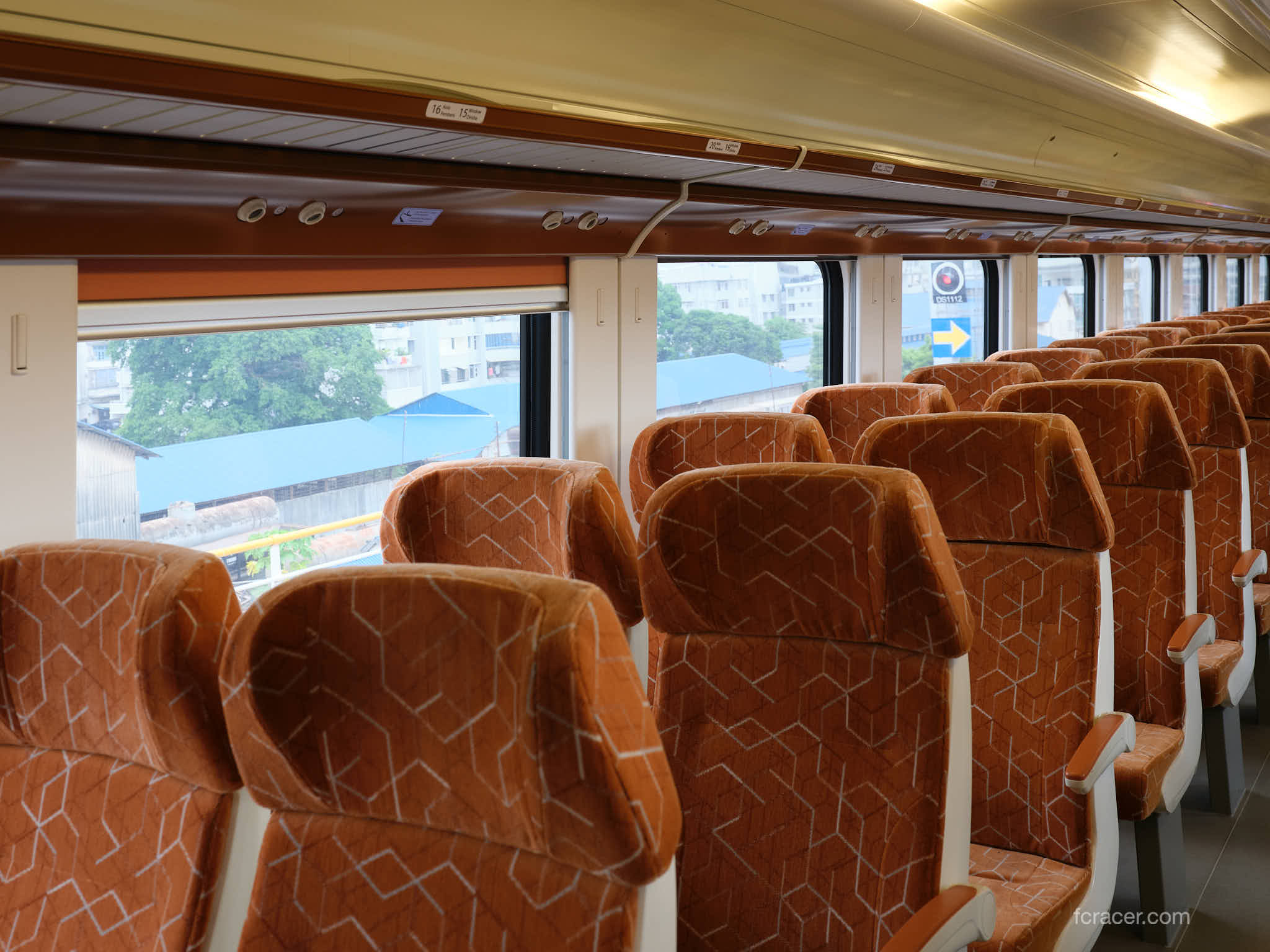
We were all astonished at how amazing the train was. It runs on Standard Guage Rail (SGR) infrastructure with a top speed of 160 km/h. The train was super smooth, efficient and extremely clean. The washroom especially looked brand new and very well maintained.
When the food arrived on the train, I again had a fun moment of reflection. Here I was in a country where the food coming from a public service, was the same as what my mother fed me when I was young. TRC fed us East African samosas and kebabs, and they were good too!
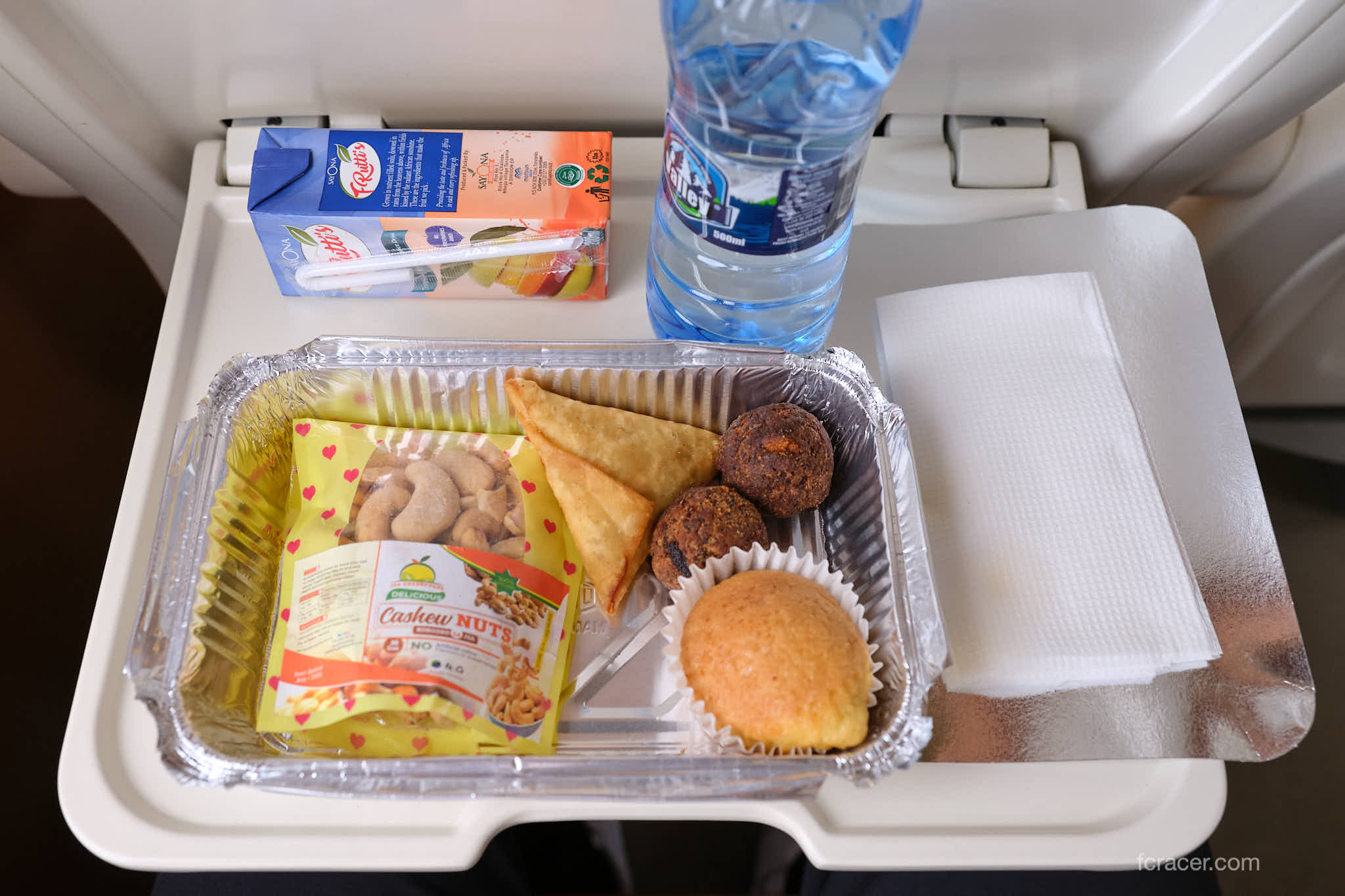
Our train arrived in Morogoro Station right on time. The Morogoro Station was easy to navigate and we made our way to meet our local driver. Everything was running smoothly and on-time. We had the chance to take a nap on the train and would have another 1.5 hours in the car.
Car Ride from Morogo to Mikumi National Park
The 1.5-hour car ride was all on paved roads, however the road was typically two lanes (one each way) and required our driver to overtake in the opposing lane on several occasions. I was shocked at how much economic traffic was on this roadway.
Adam mentioned that this was a major economic corridor that moved goods between Tanzania, Malawi, Mozambique and Kenya. There were hundreds of large trucks that we had to pass, which made the drive a bit more exciting; however, our driver was excellent and very careful.
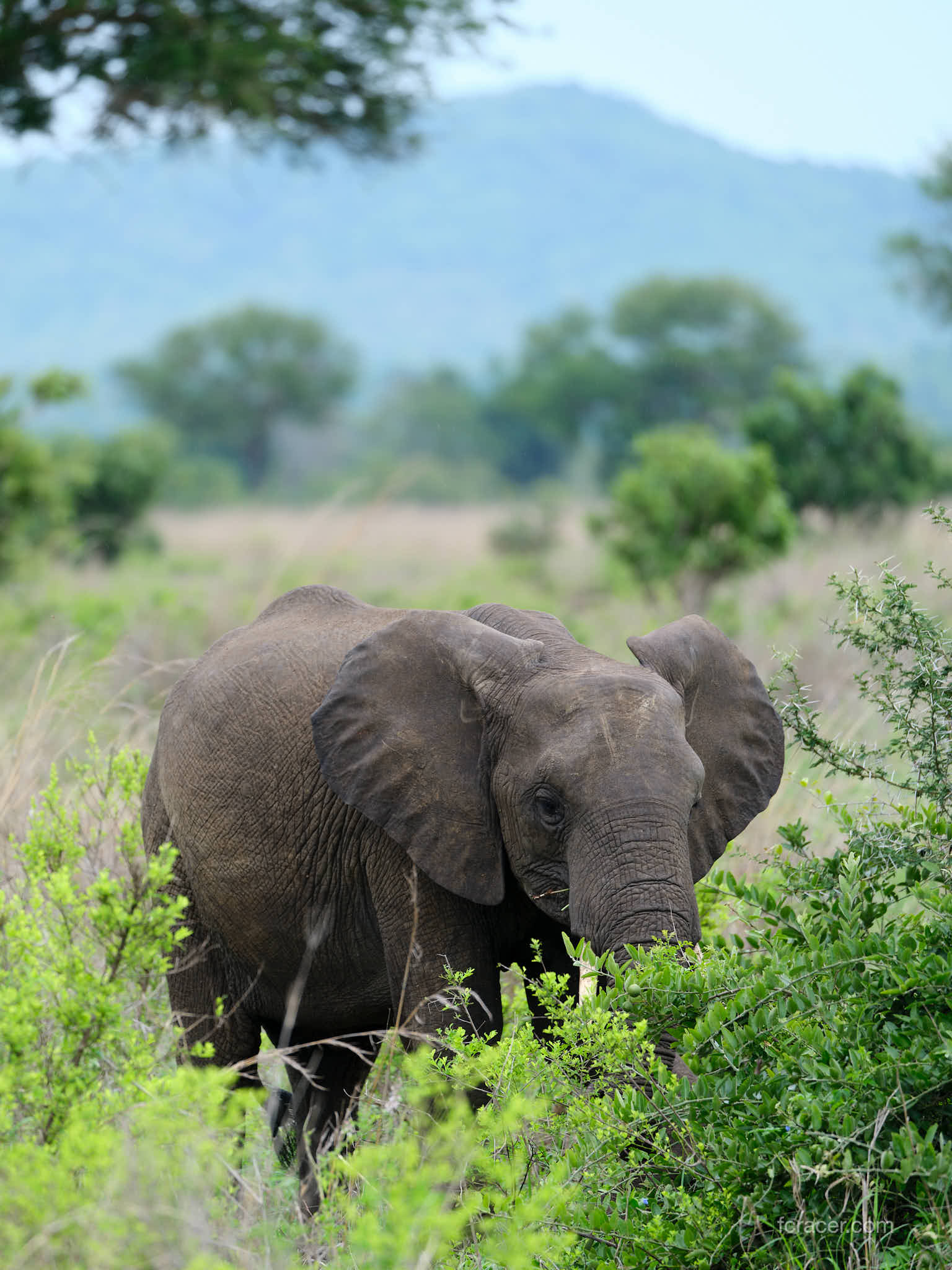
When we arrived at the entrance to Mikumi, there was still a fair amount of driving before we got into the actual wildlife park. We did however see some elephants and baboons on the outer road inside the park, sharing the roadway with the large trucks.
Mikumi National Park
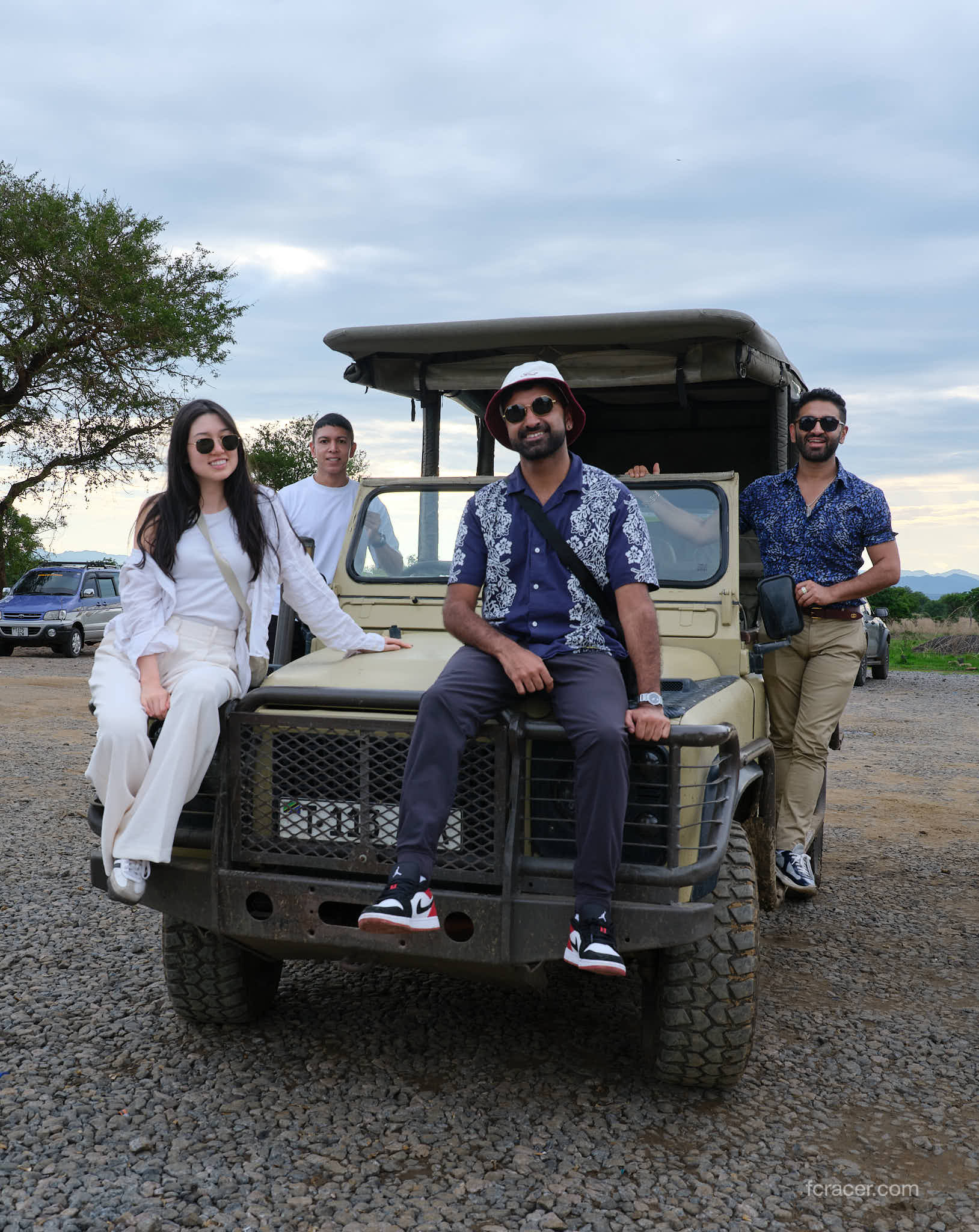
We arrived at the inner gate to Mikumi National Park and our guide paid some fees on our behalf. We transferred from our minivan to an open top Land Rover safari jeep. We had the choice of a closed jeep or an open top and I’m so happy that we chose the open top.
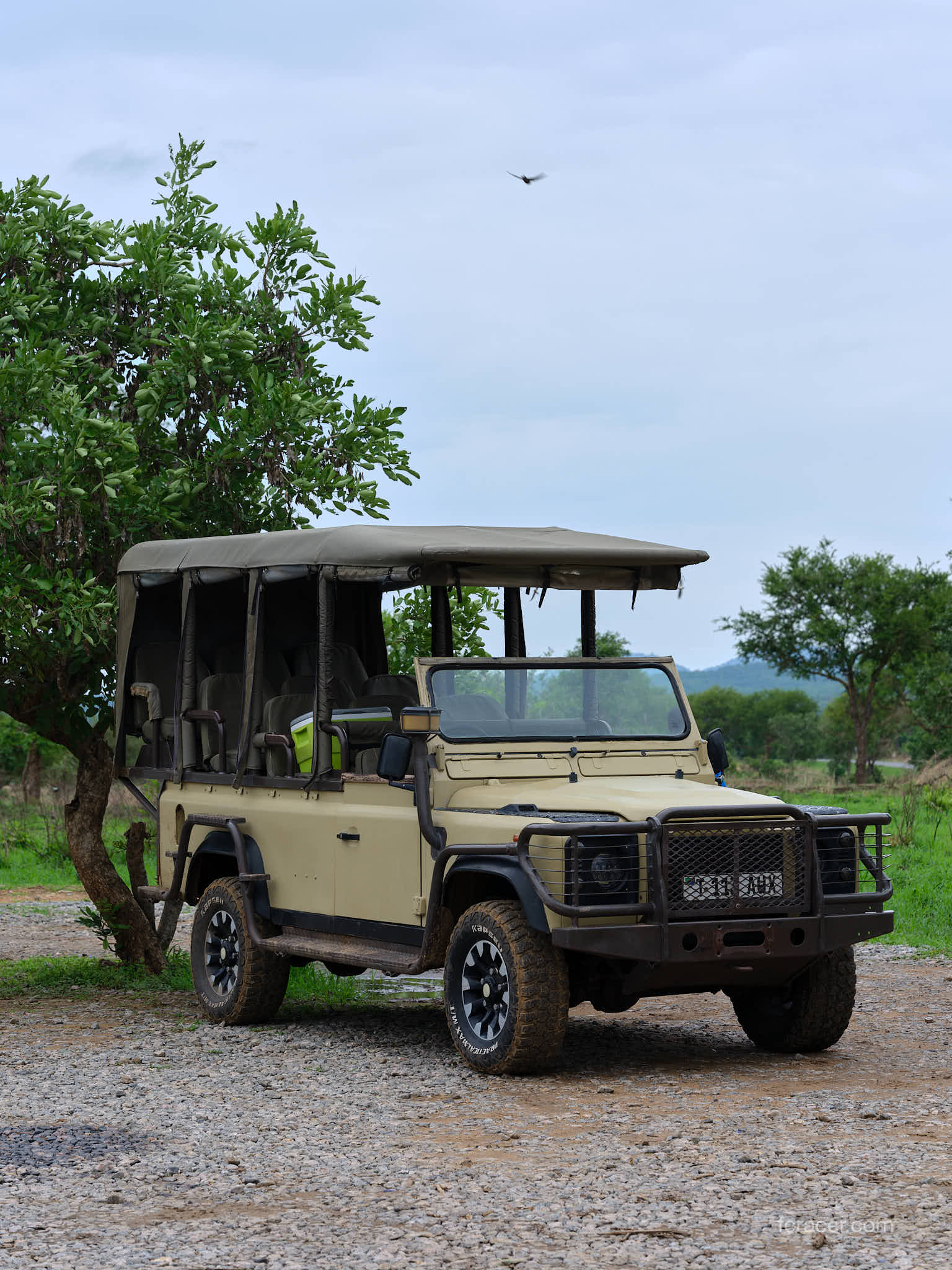
We saw some people with the closed jeeps and they looked so isolated from the animals and environment; it must also be very annoying to have to stand up to take photos through the small opening at the top of the closed jeeps.
This was also when we realized that Adam was not going to be our actual safari guide and that we’d invite a local guide to join us (which turned out to be fantastic as she was knowledgeable and entertaining). Joining our growing group was the driver of the safari jeep.
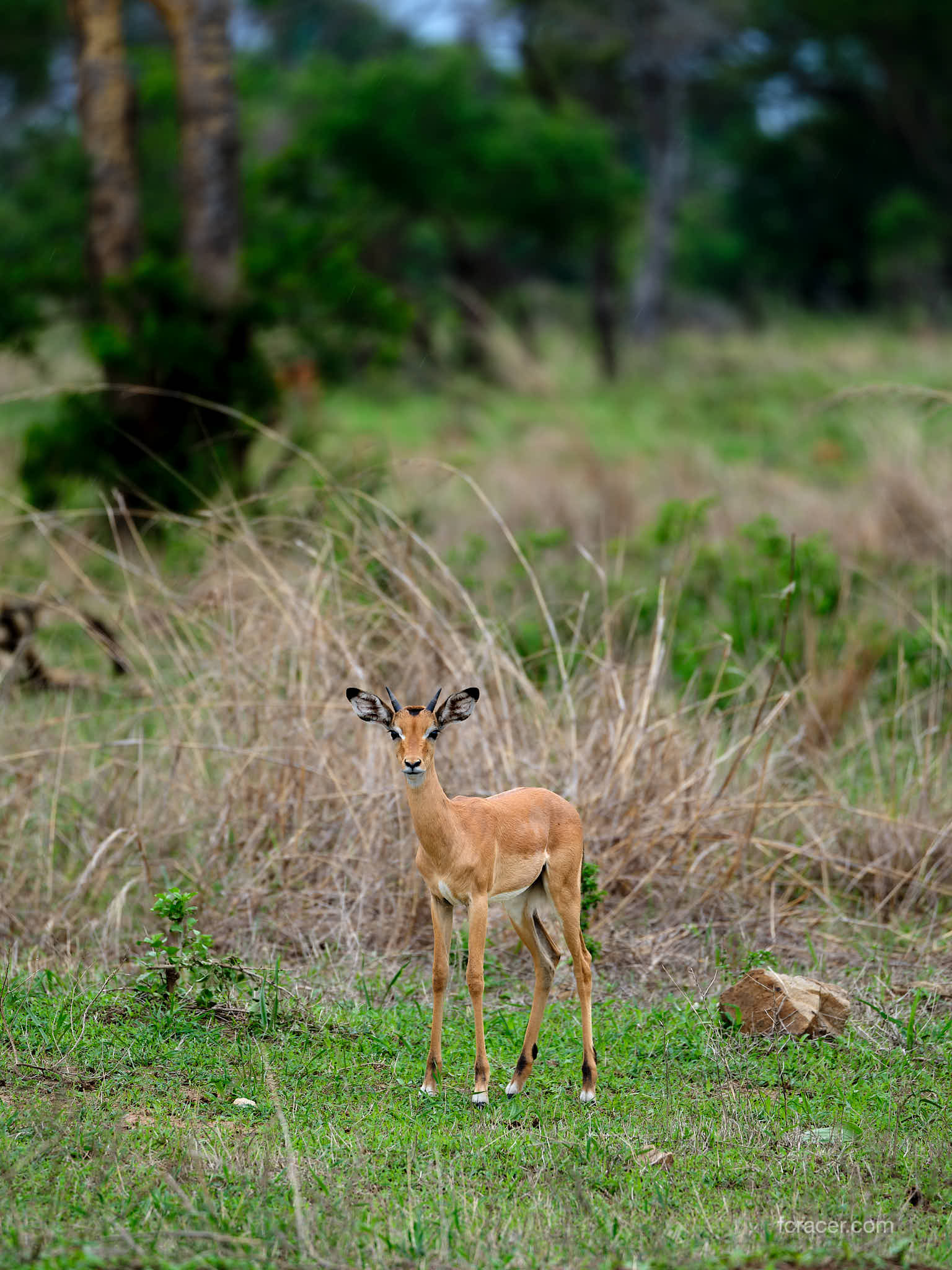
We hit the ground running with our very first corner exposing us to dozens of antelopes, cleverly camouflaged in the environment. It was however what came next that changed everything. Our driver heard something on his radio that clearly excited him. We did a U-turn and hightailed it to a spot about 200 meters away.
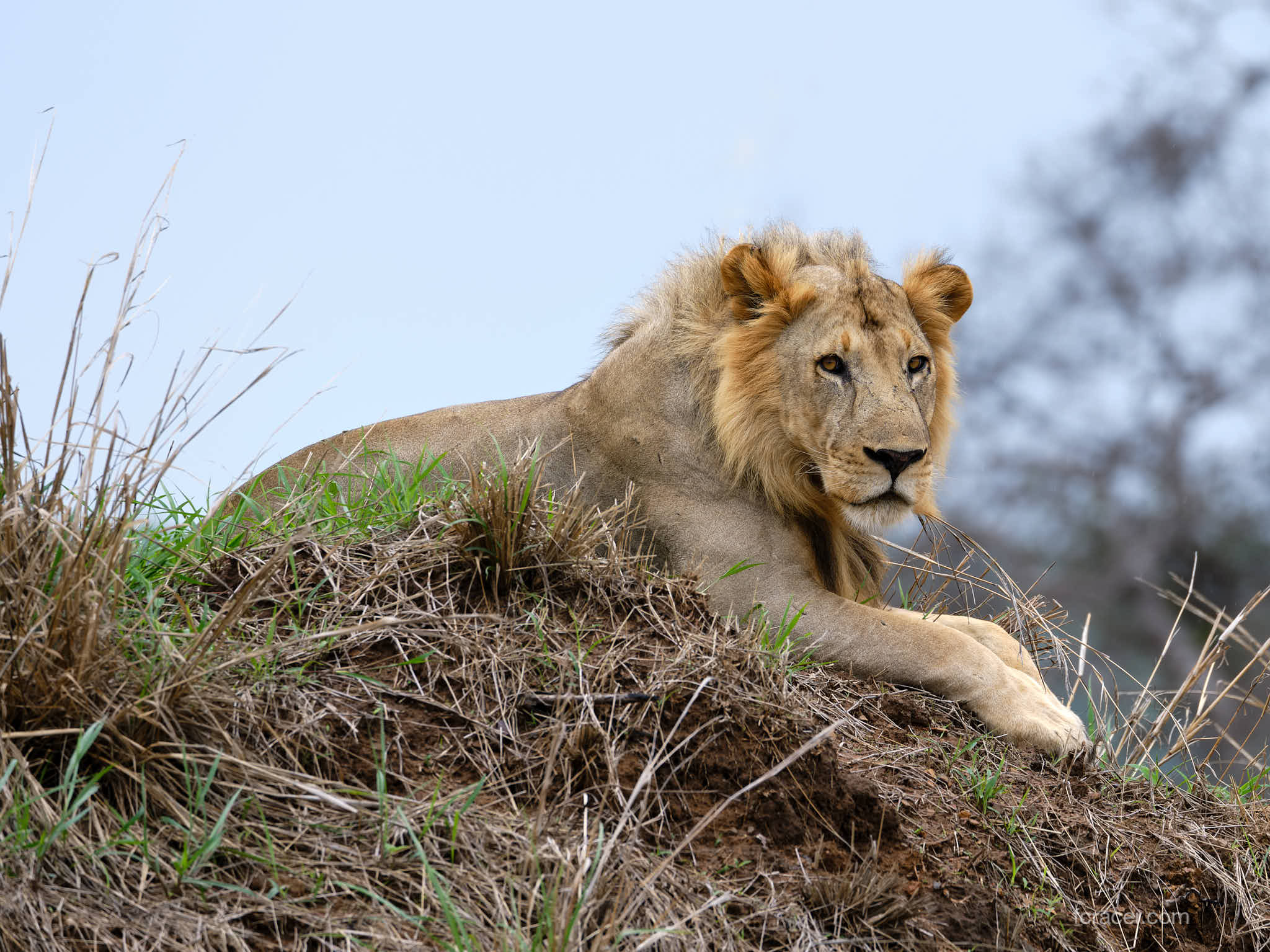
Upon stopping the car, Adam also got very excited and pointed out some lions in the distance. Apparently, the lions hadn’t come out for three days so this was very fortuitous timing, to be on the safari that day and being in that part of the park while they were out. The lions were quite far away so we monitored where they were going and made our way to their likely destination.
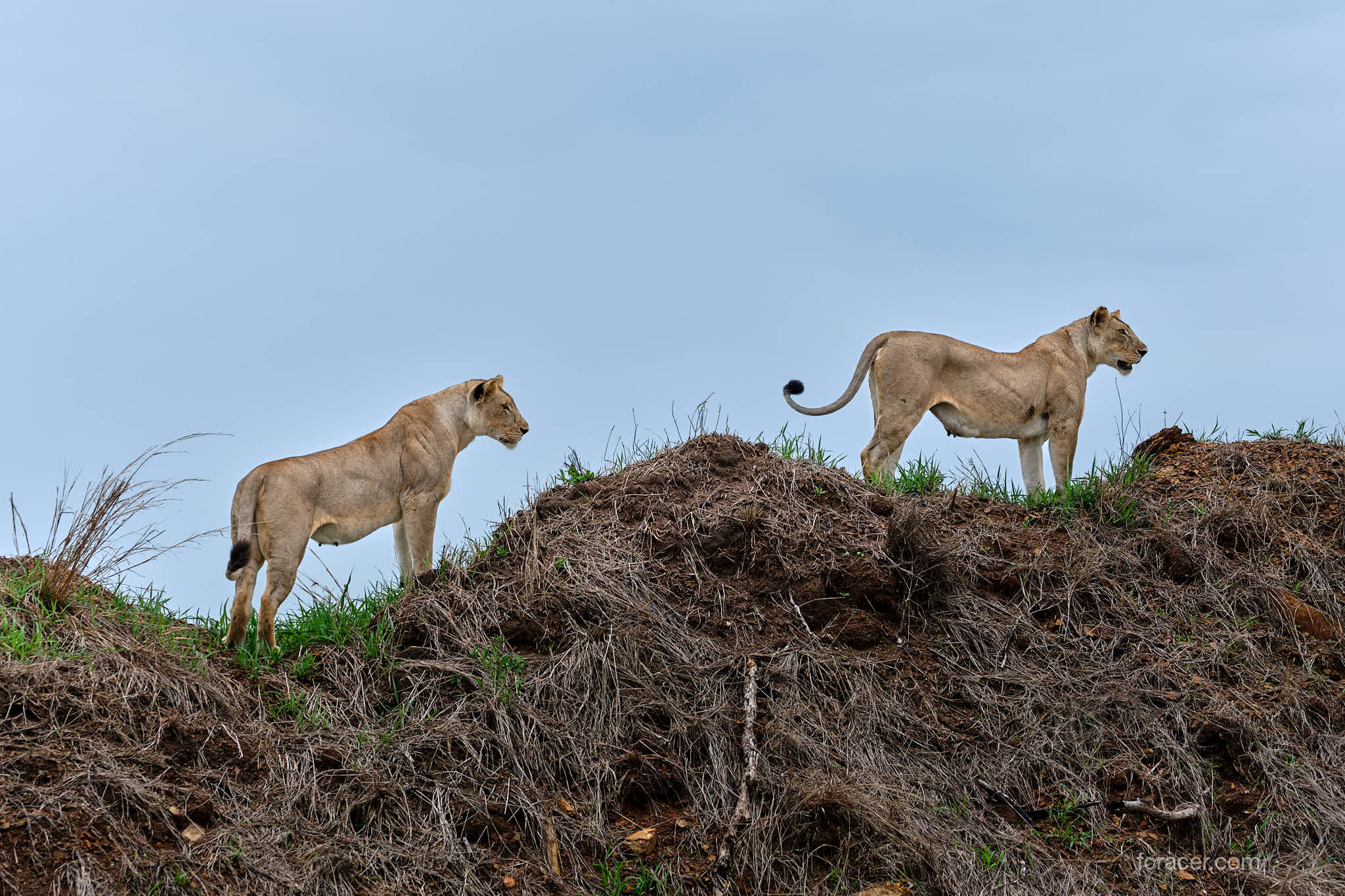
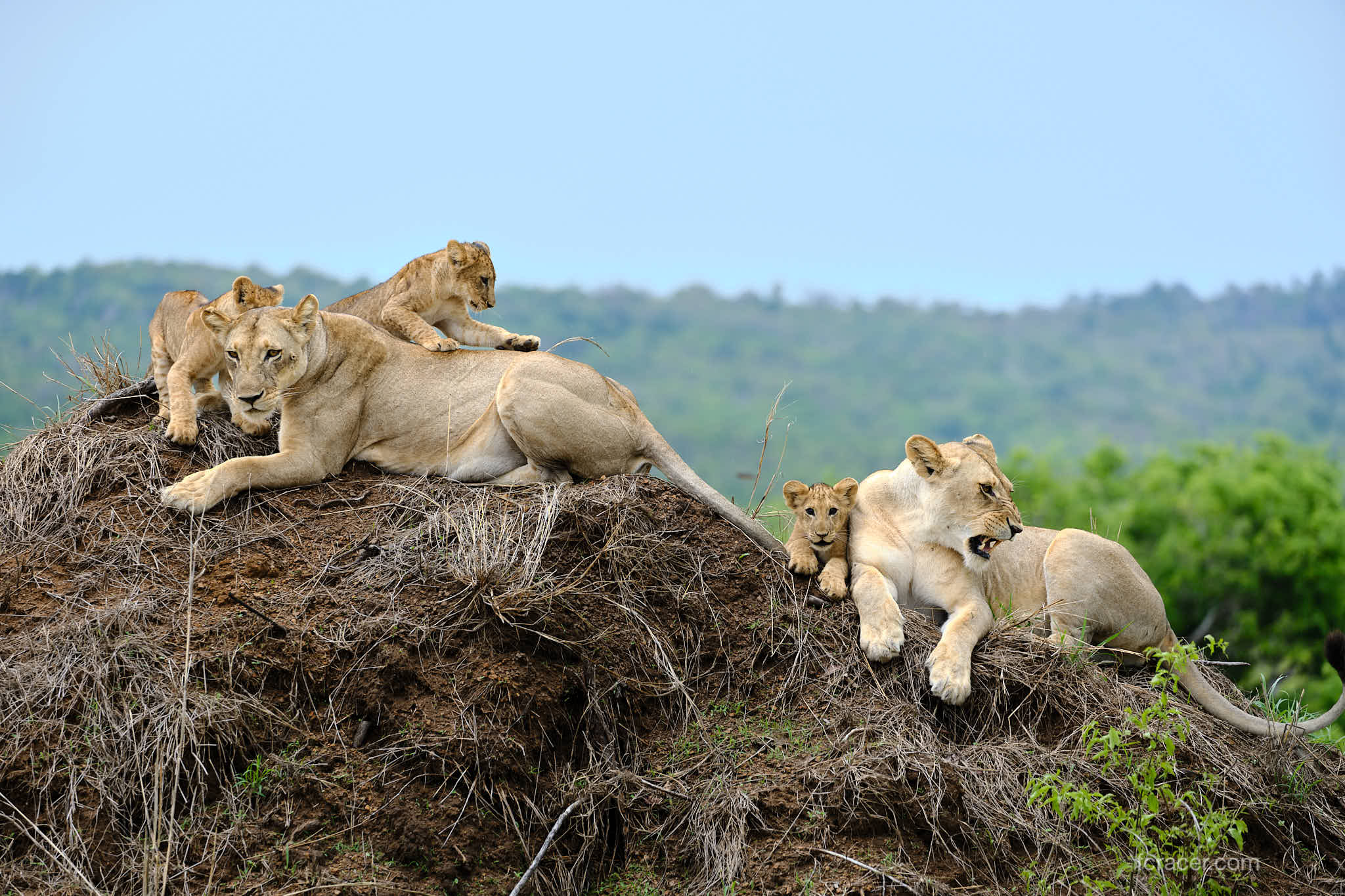
This is where a good local driver and guide really come into play. They perfectly predicted the path of the lions, which resulted in us being less than 30 meters away from an incredible scene that unfolded in front of us. We shared this space with only one other jeep for the first 15 minutes.
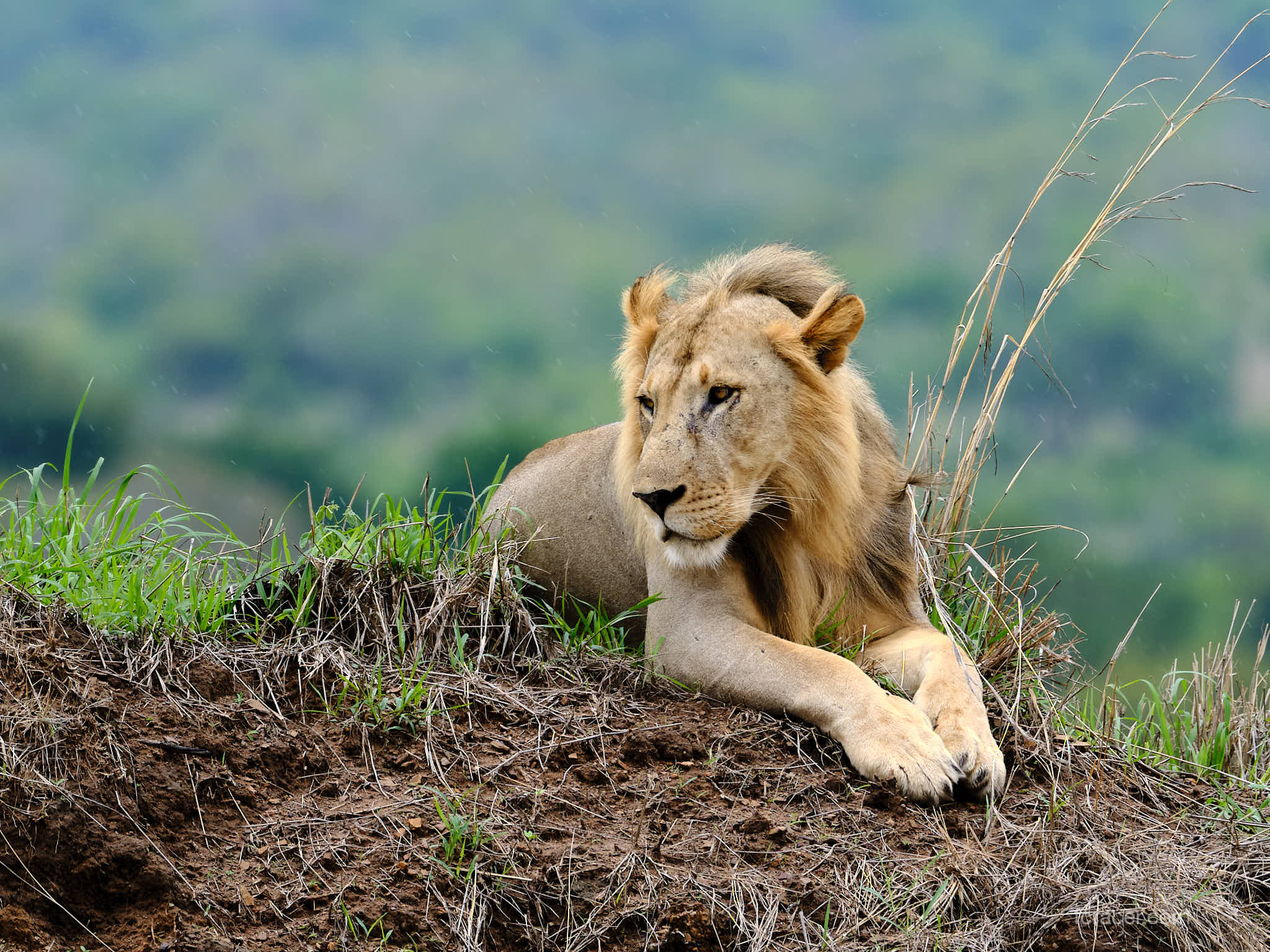
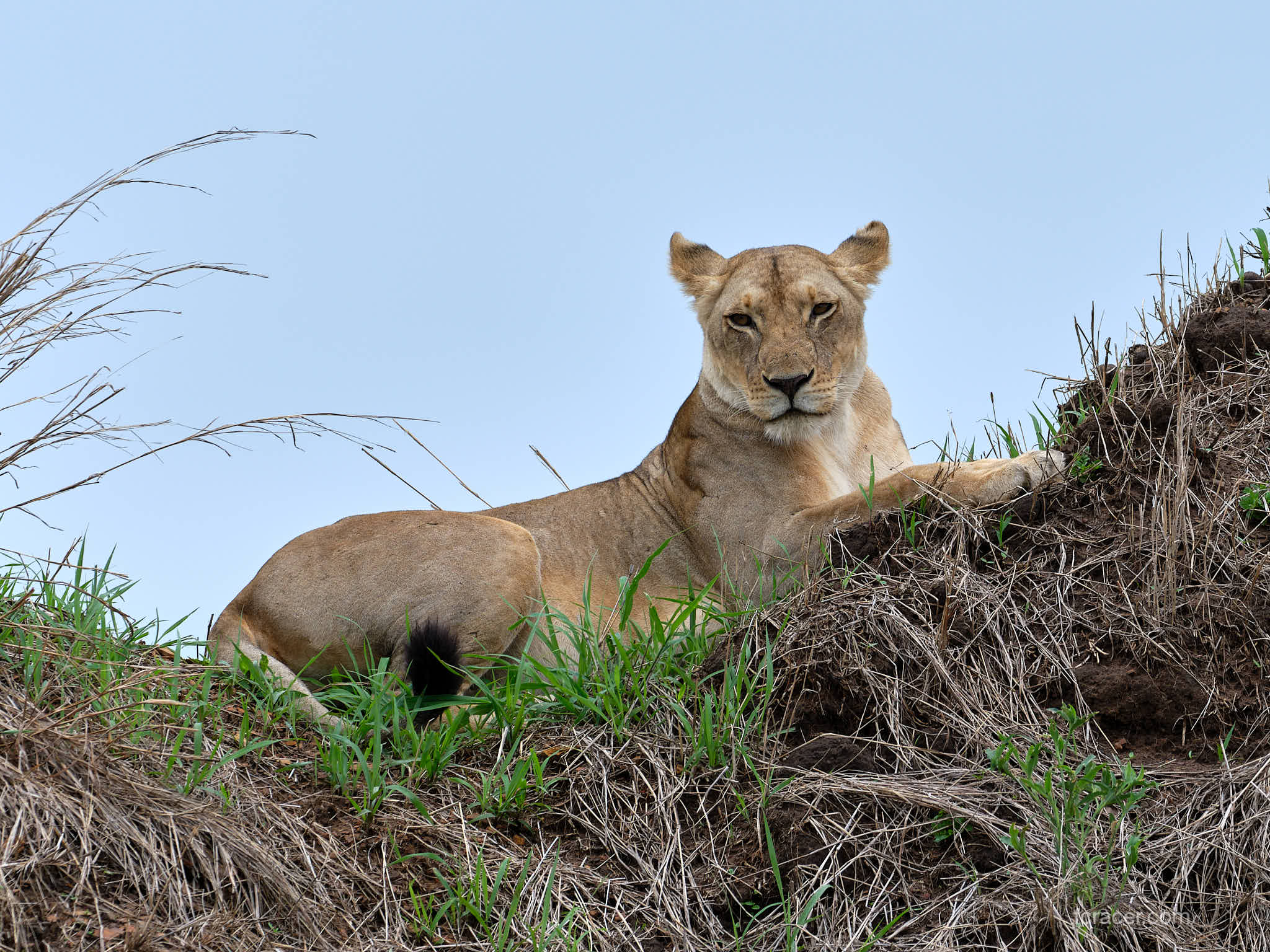
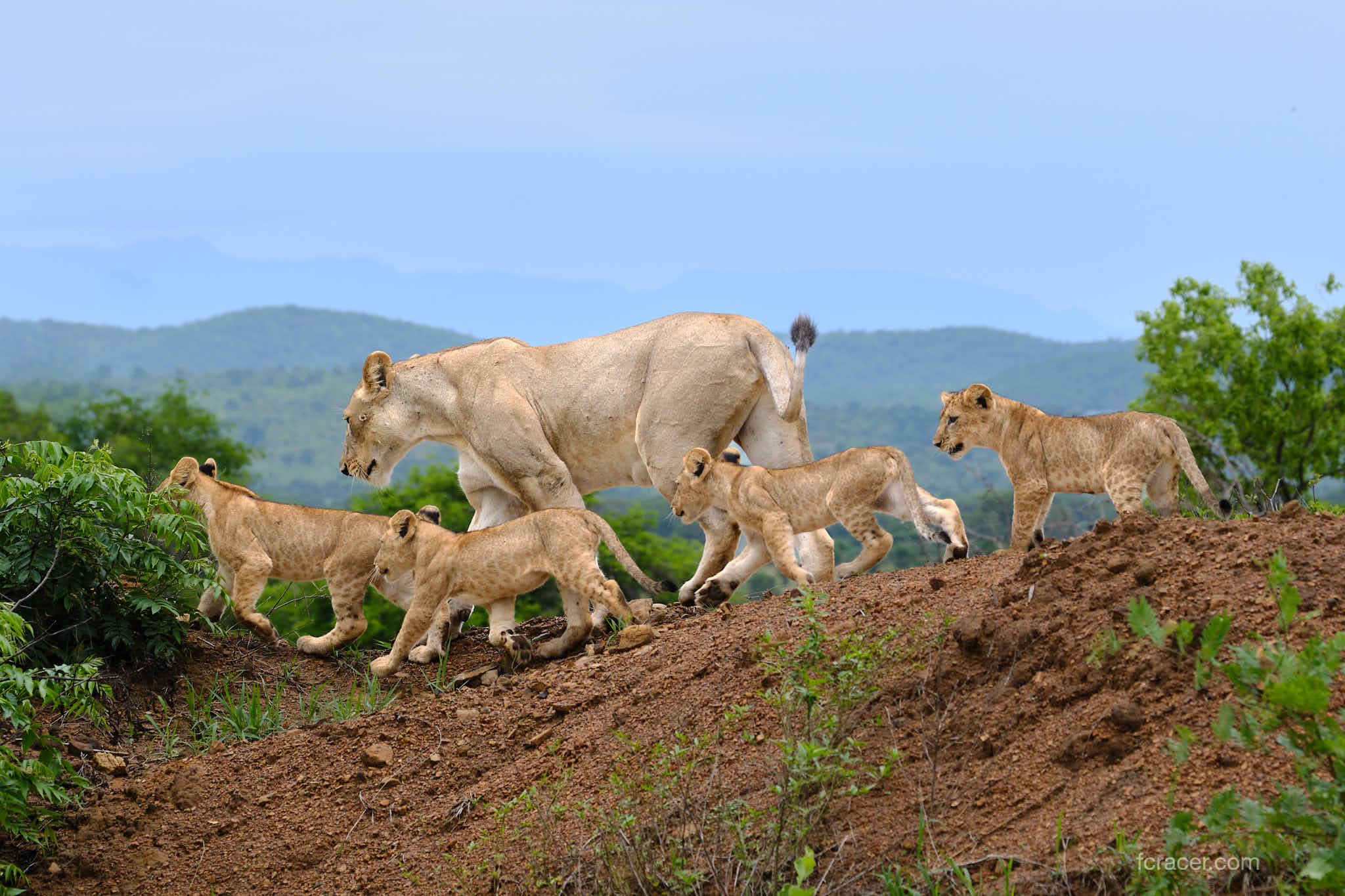
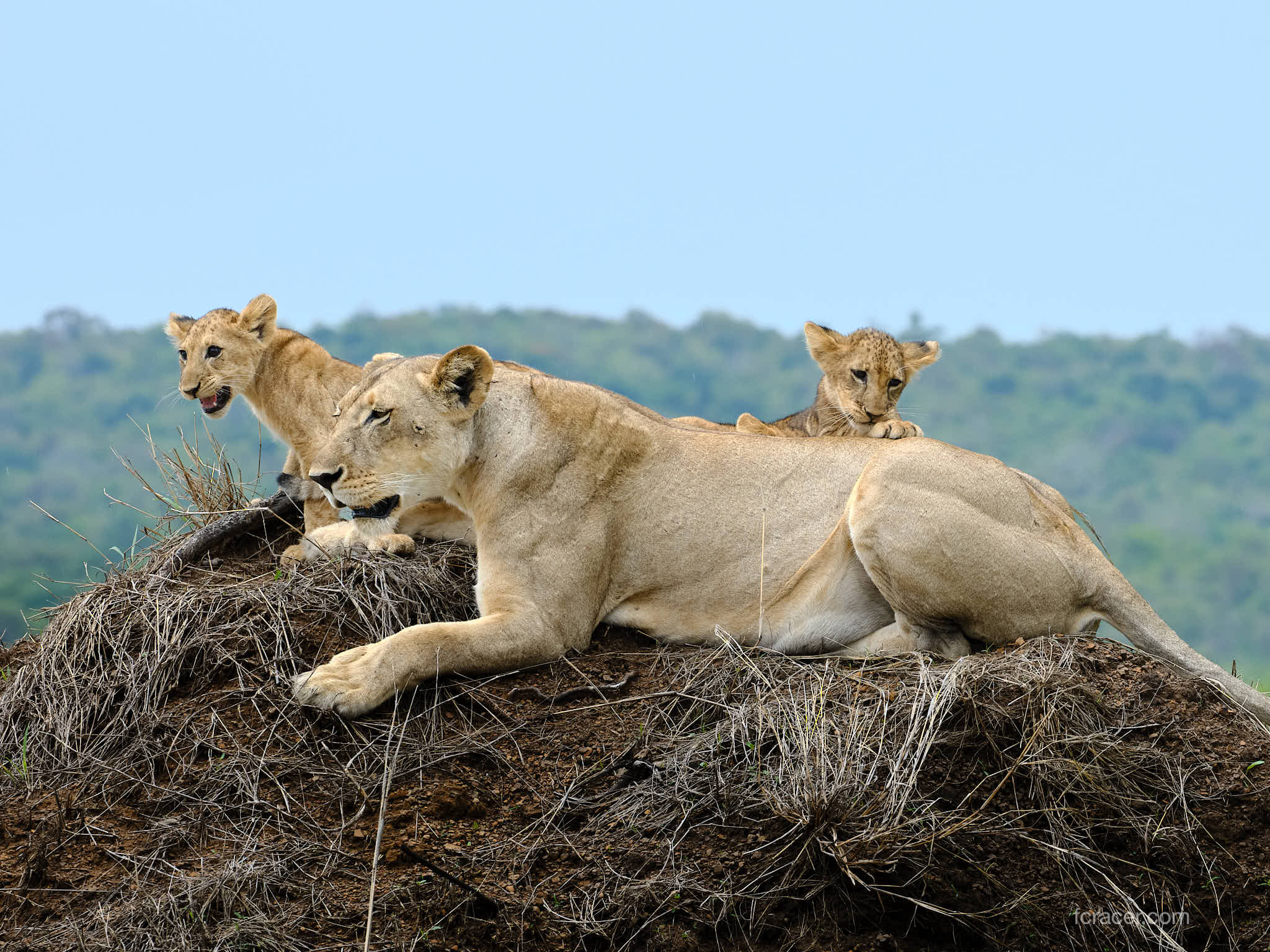
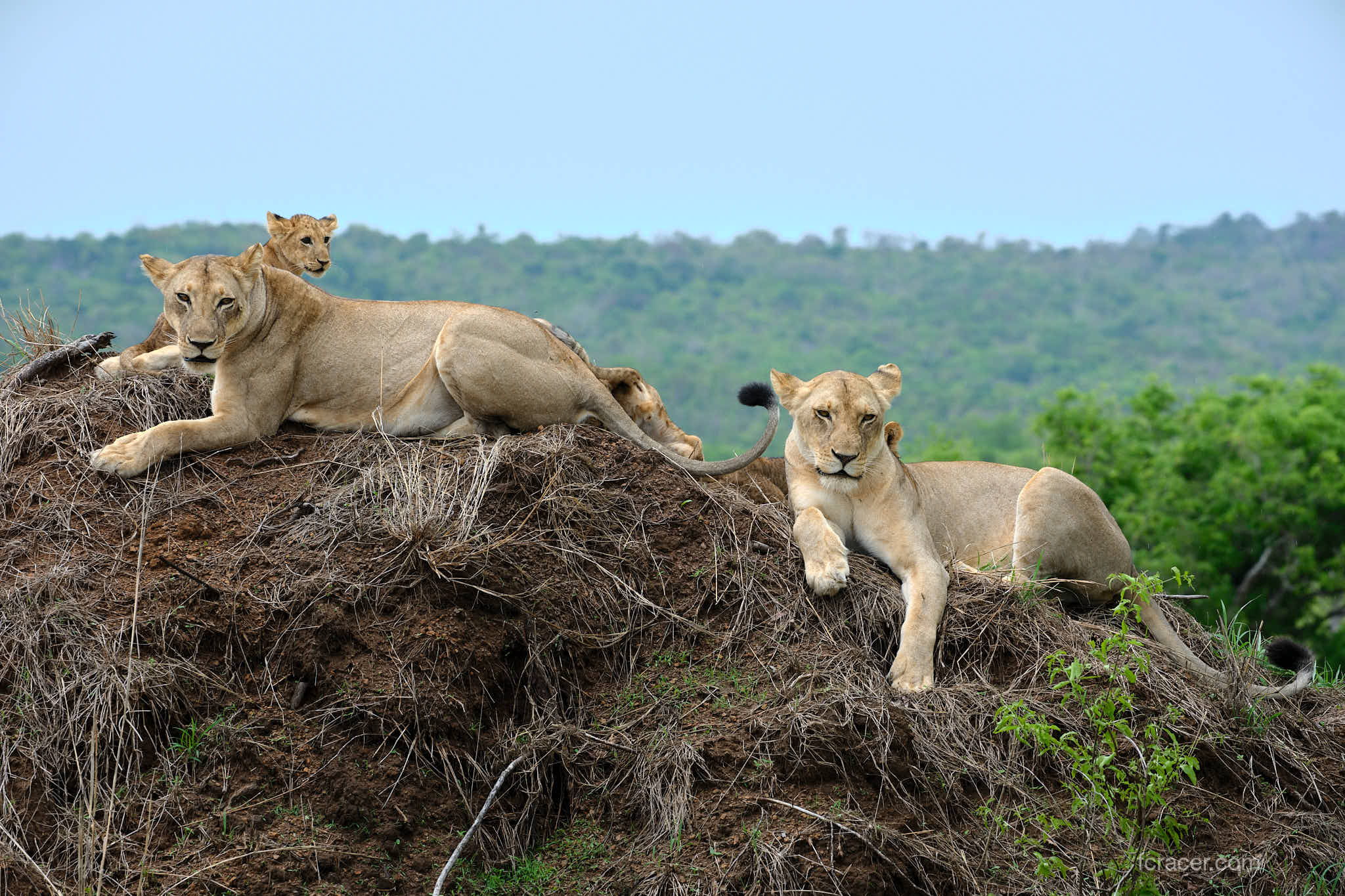
First up were two mother lions looking out from a ridge. Our guide correctly predicted that there was likely to be a pride of lions, and soon after one of the likely fathers appeared. Shortly after that, a magical moment occurred. A mother and her cubs walked up to the ridge to look over the ground below them.
I’m not sure which lions were making the noise, but they were making a sound like a grunt that was pulsing through our hearts and stomachs. If it weren’t for the guide telling us that this was normal, I think we would have freaked out. The noise was so loud and the bass from it could be felt deep inside our bodies. It was a thrilling experience!
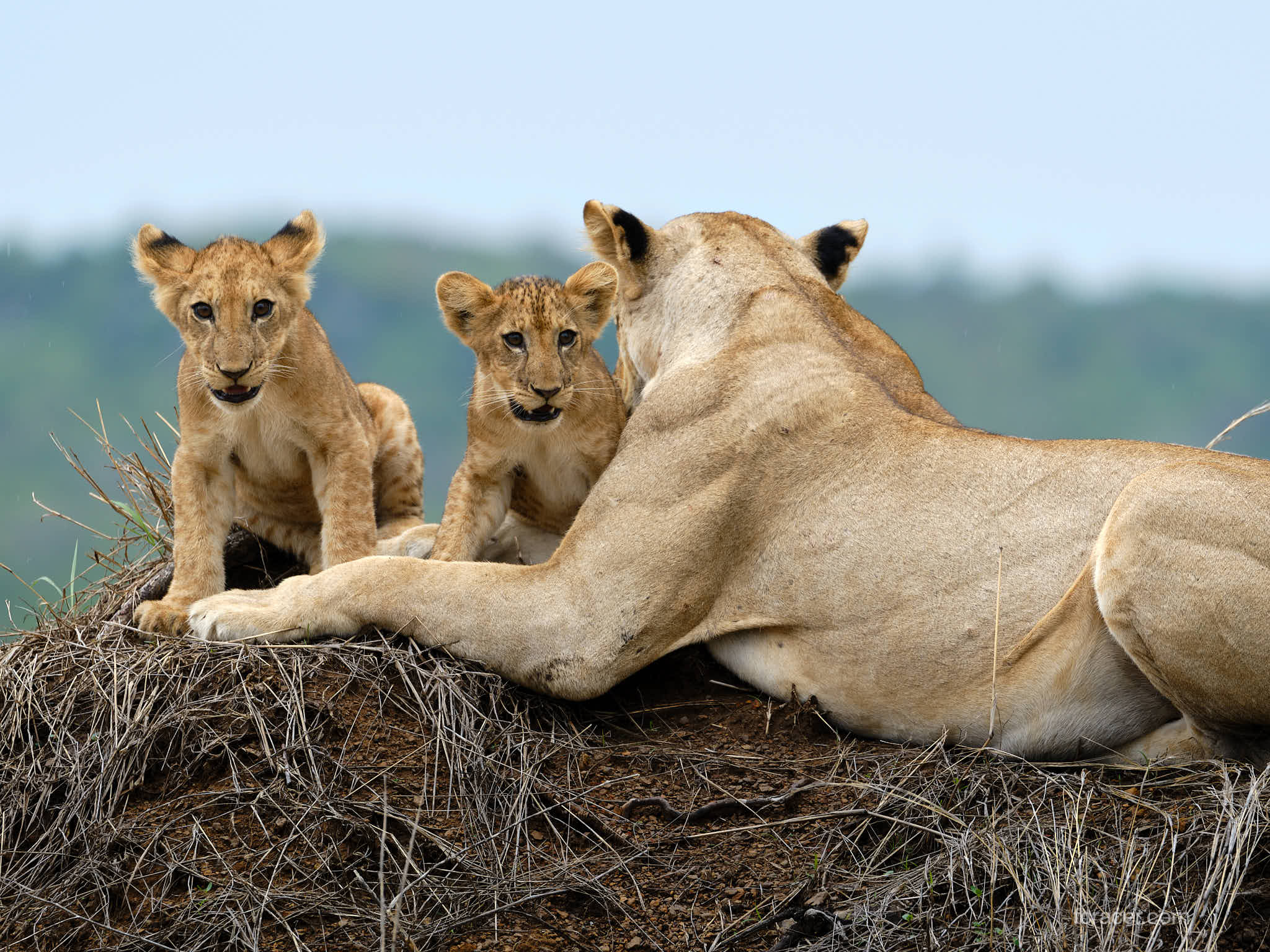
We spent 20 minutes watching these incredible animals socialize. We were so close, but they paid no attention to us. Our guide mentioned that lions look at our entire jeep as one unit so they won’t attack something so big, unless they get very agitated, which could occur if a flash is used or if large noises are made.
By the time we were ready to move on, several other jeeps had arrived to enjoy the lions. We were so fortunate to arrive second on the scene so that we had so much time with the lions mostly to ourselves.
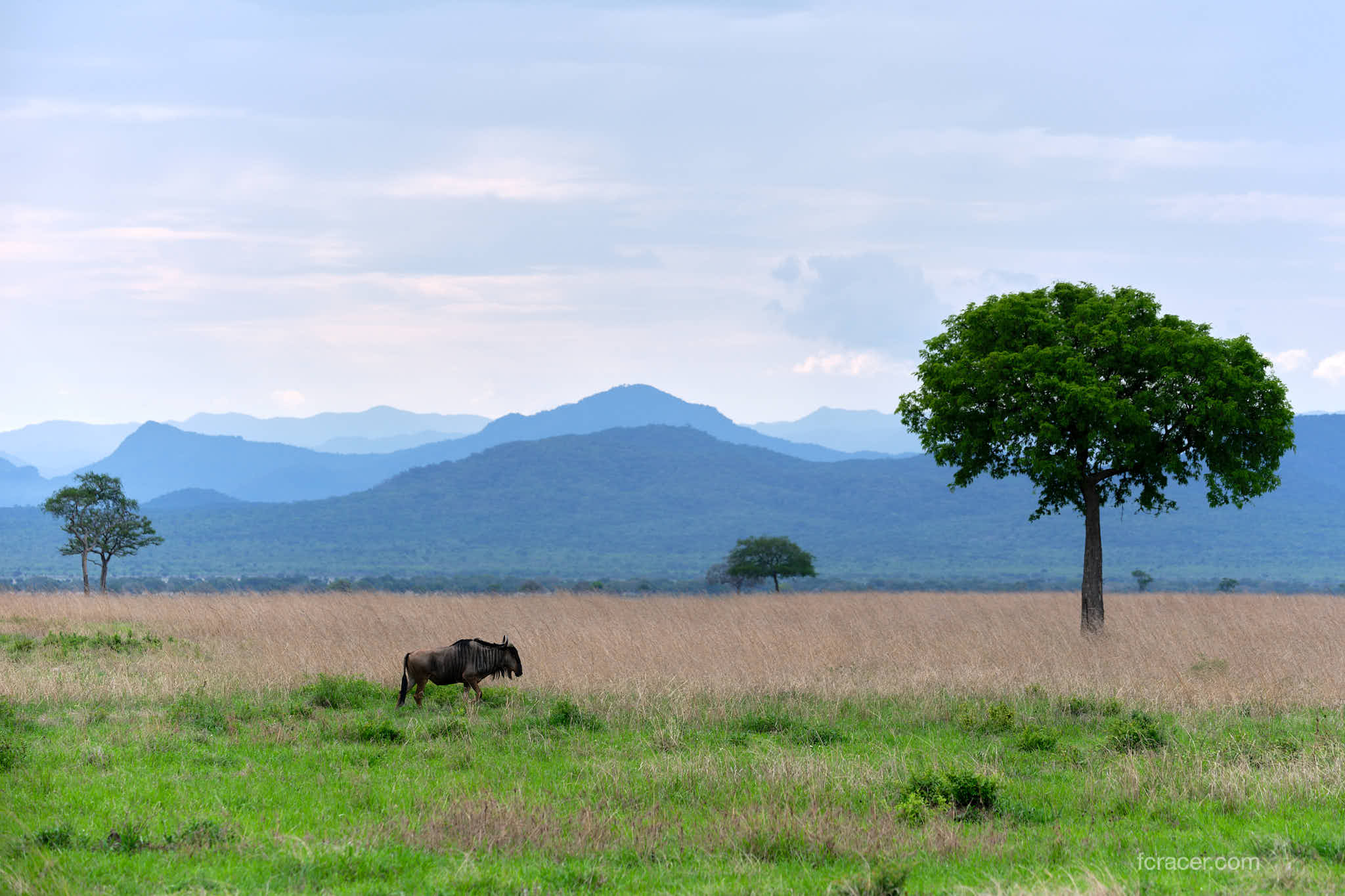
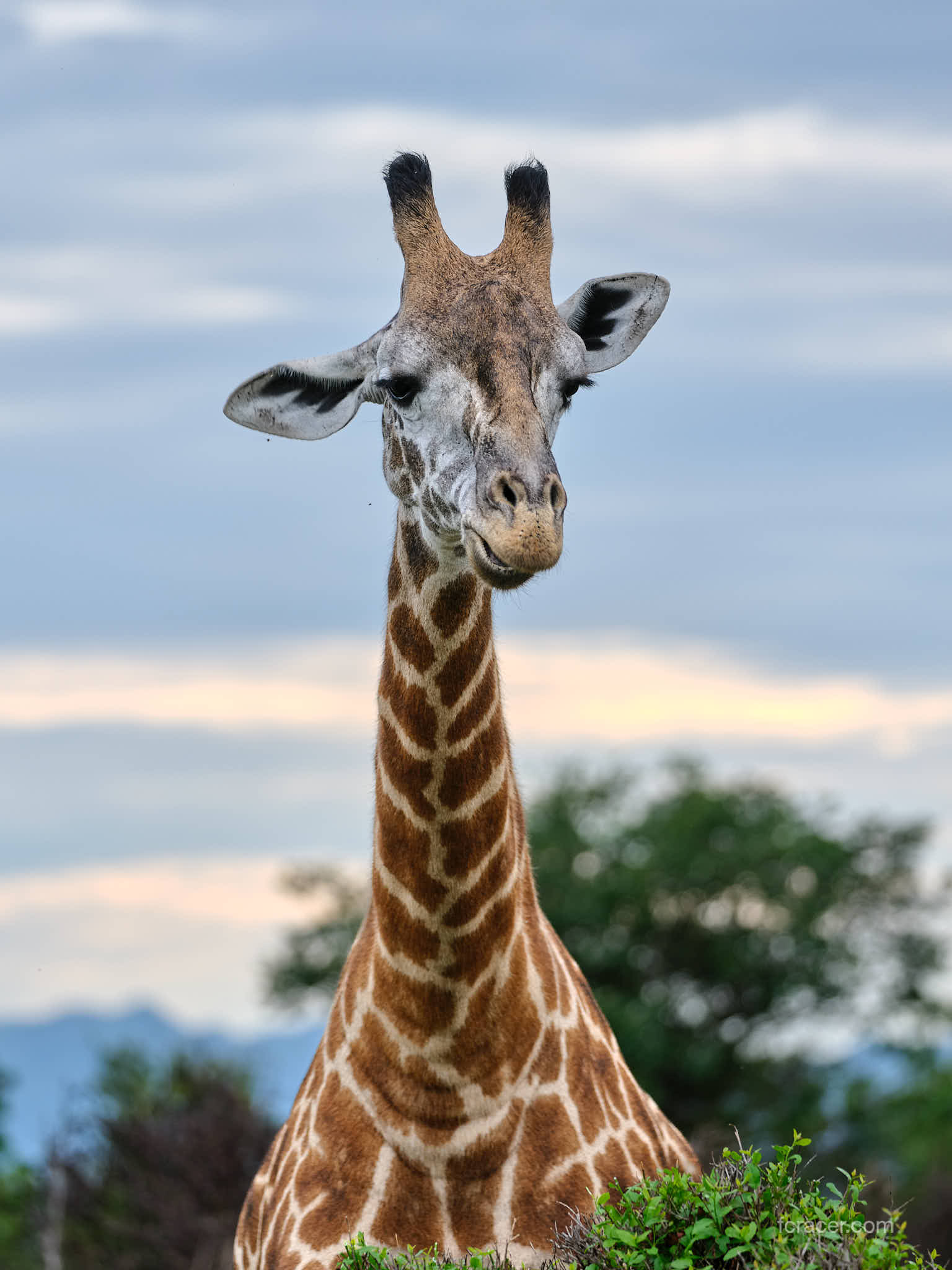
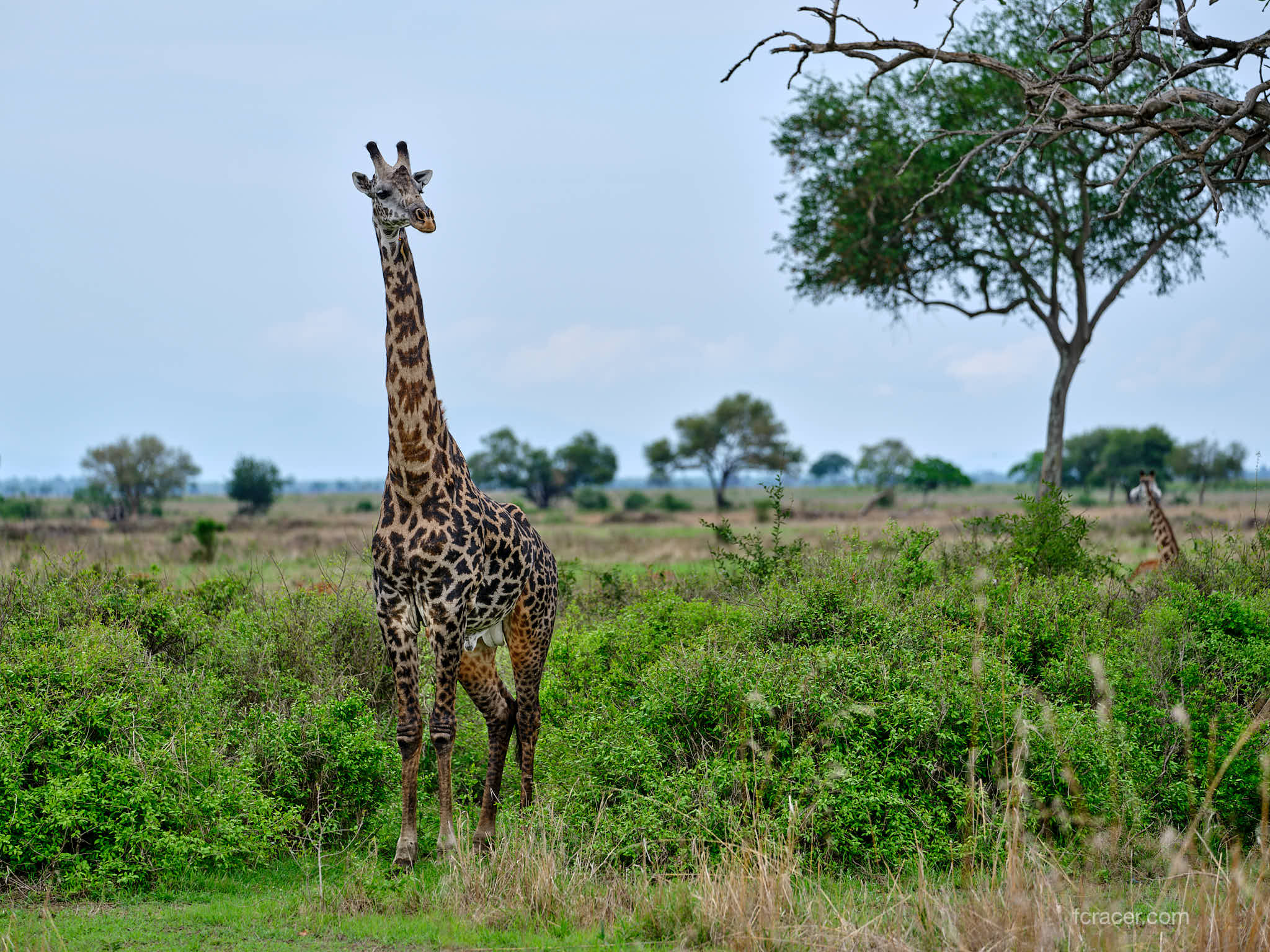
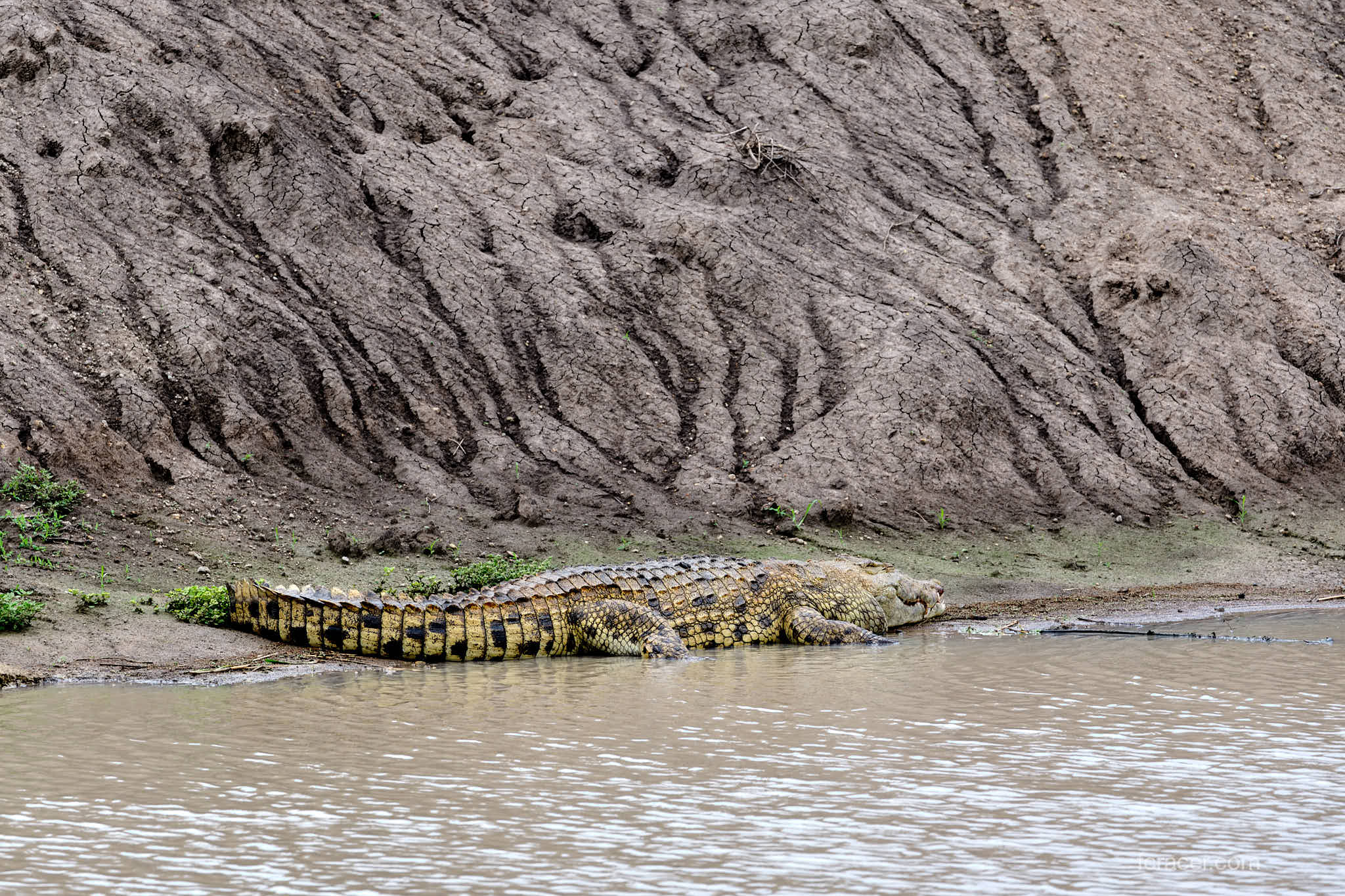
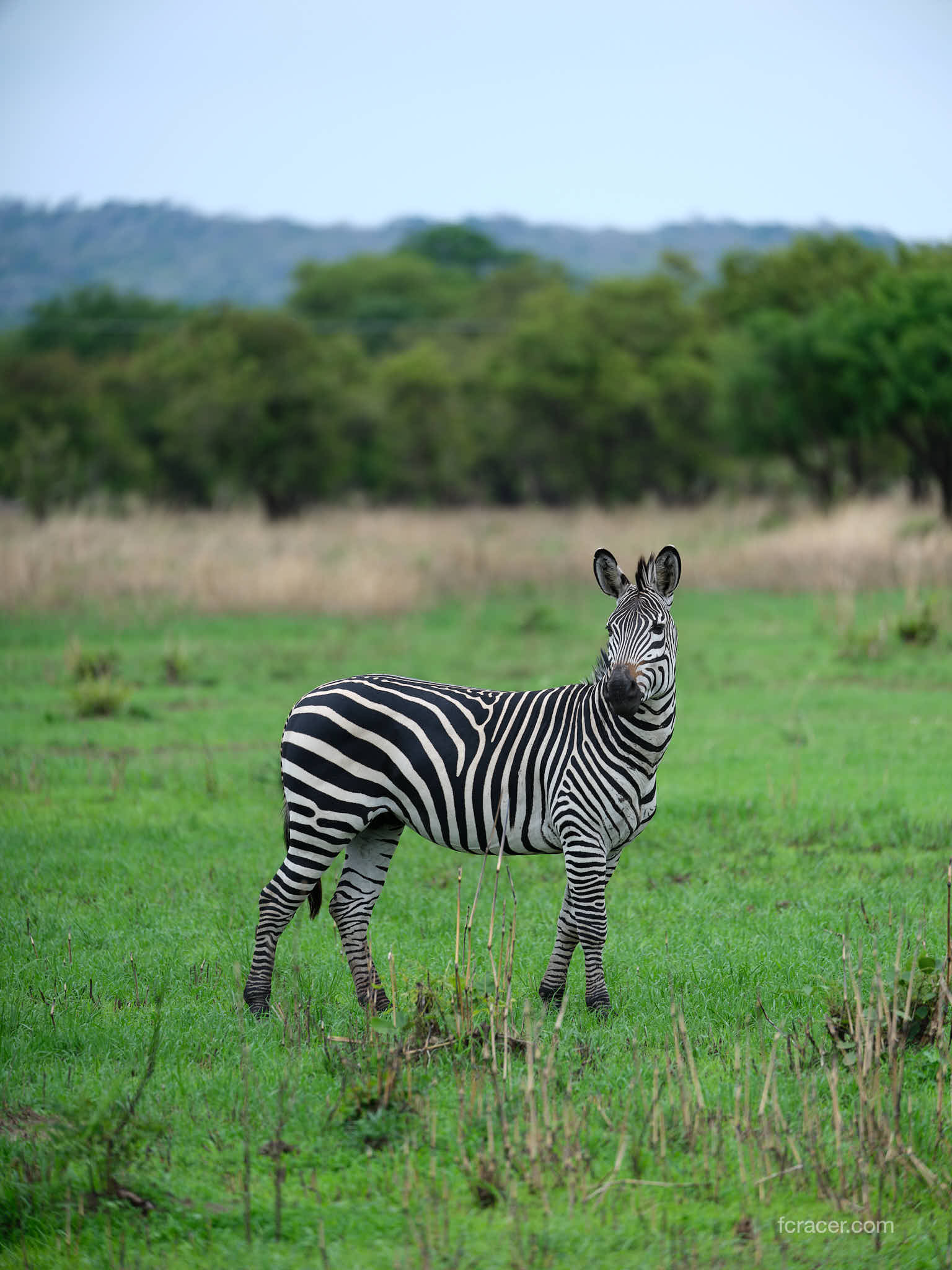
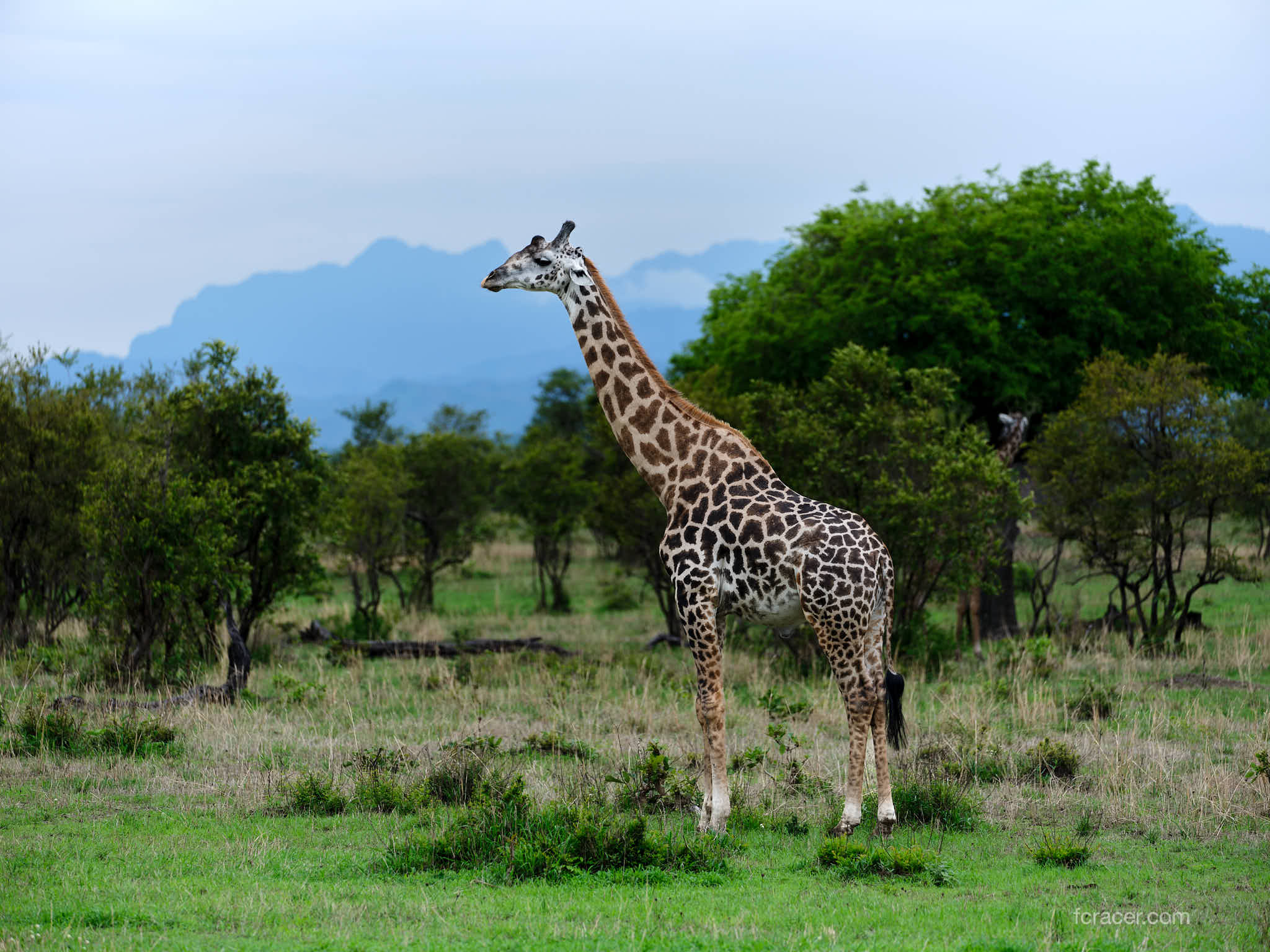
With the lions off the checklist, our next targets were zebras and giraffes. Adam mentioned that we will have no problem finding giraffes, but zebras might be a rarer occurrence. However, luck was on our side and we not only saw giraffes, but also zebras, elephants, wildebeests, crocodiles and hippos!
When we stopped for lunch, our guides informed us to ensure we removed everything from the jeep because if we didn’t, the monkeys certainly would. Sure enough, as we came back to the parking lot, we were greeted with this hilarious scene of the monkeys running away with everything and anything left in the jeeps.
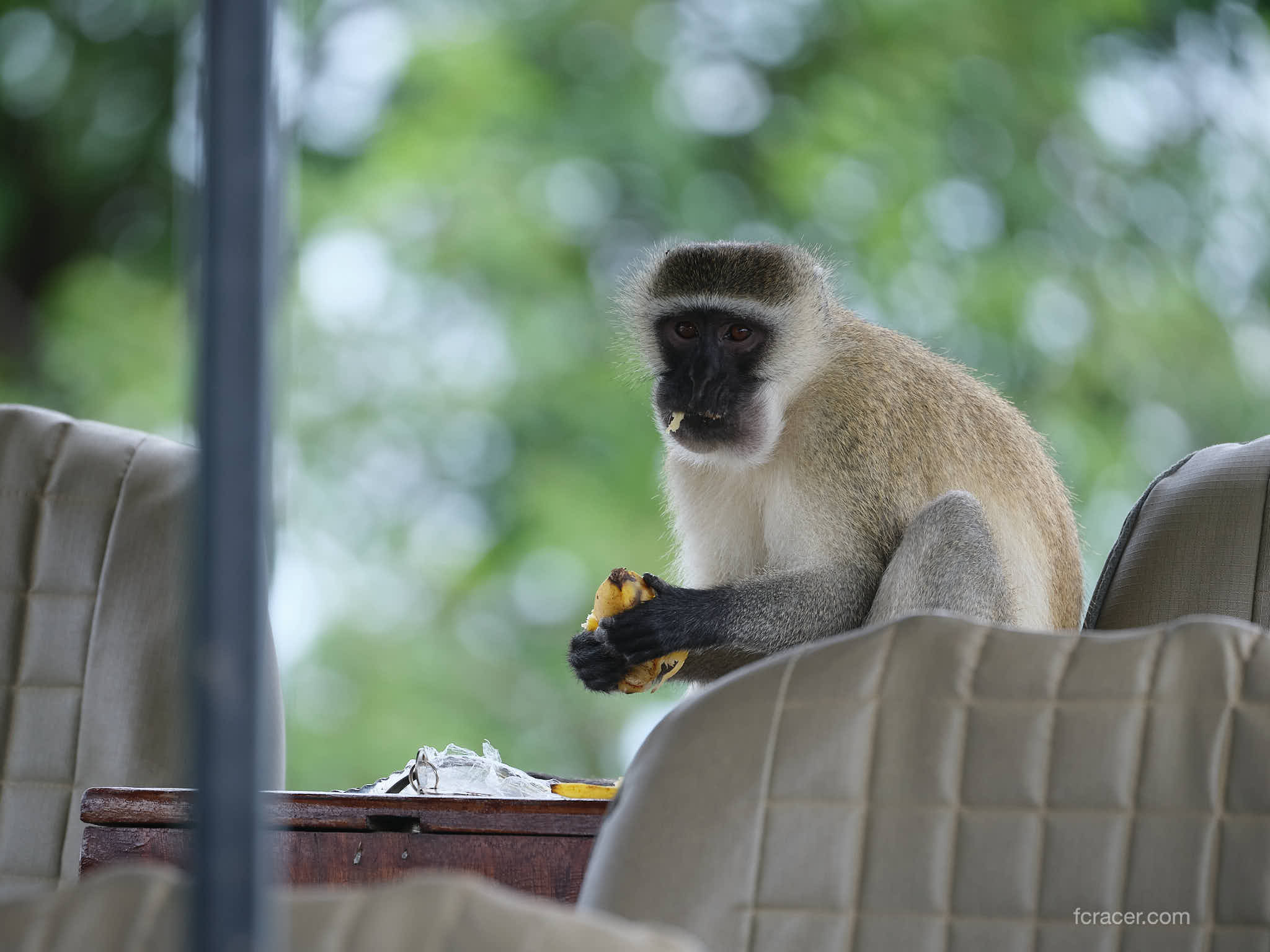
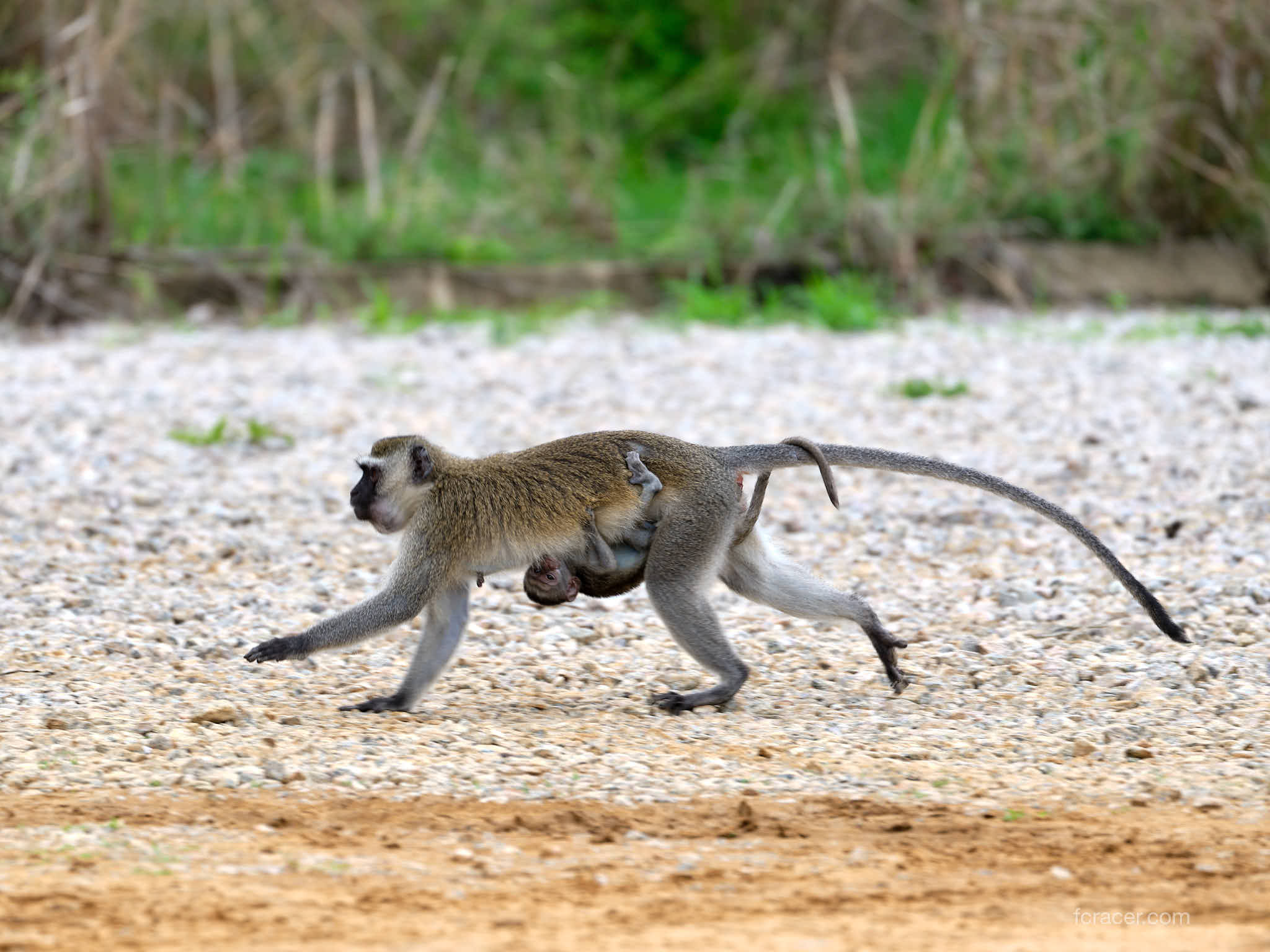
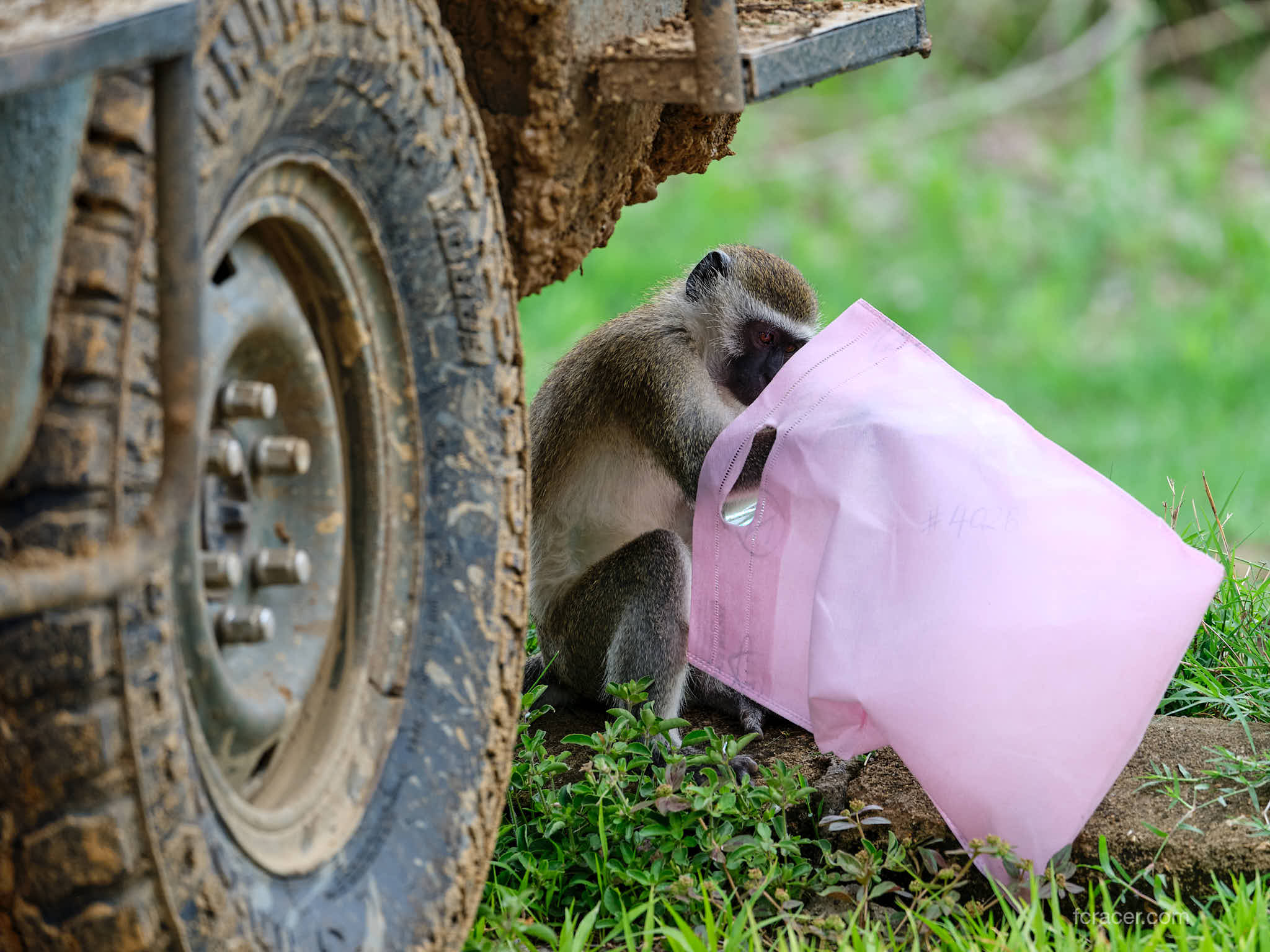
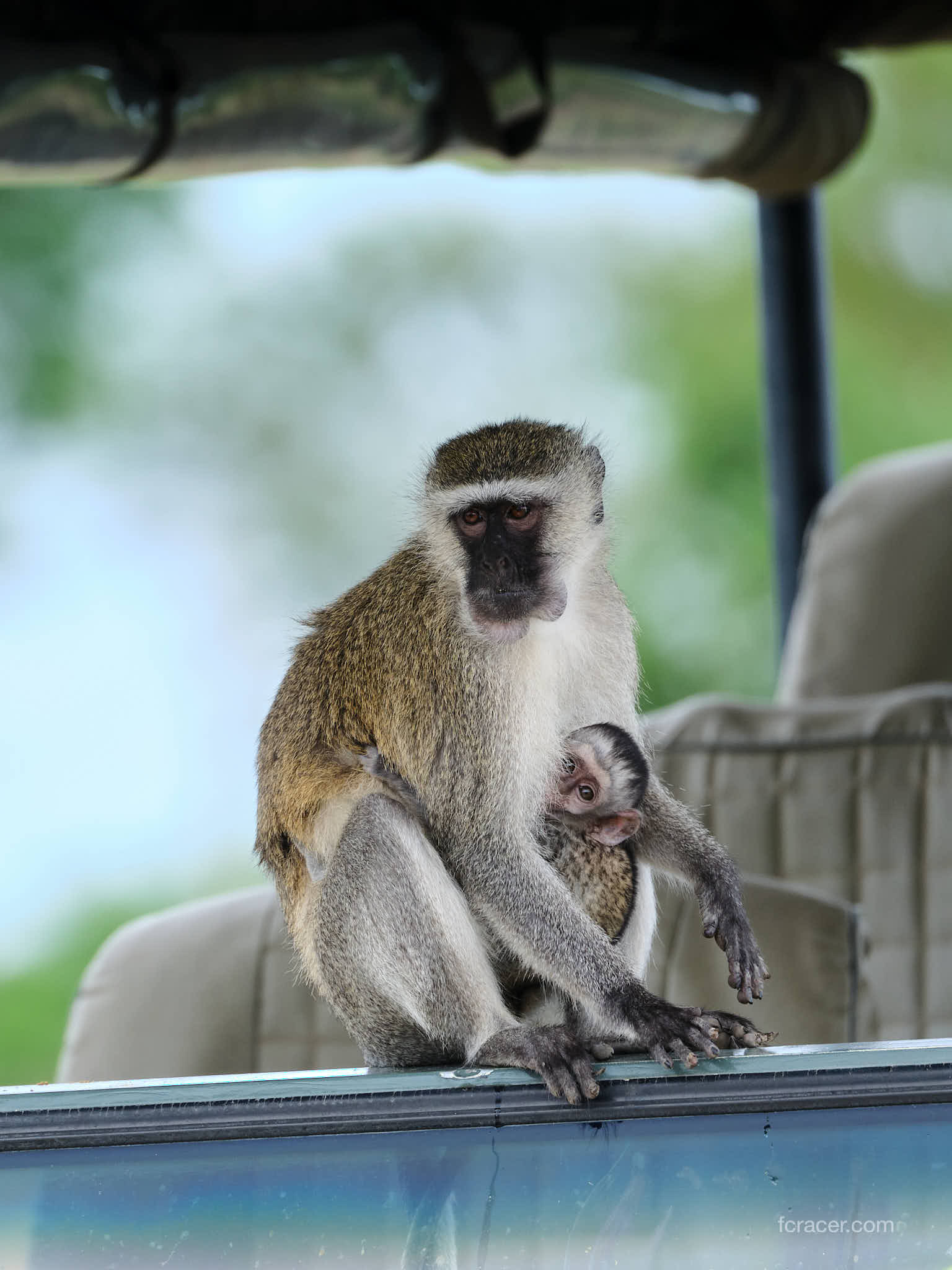
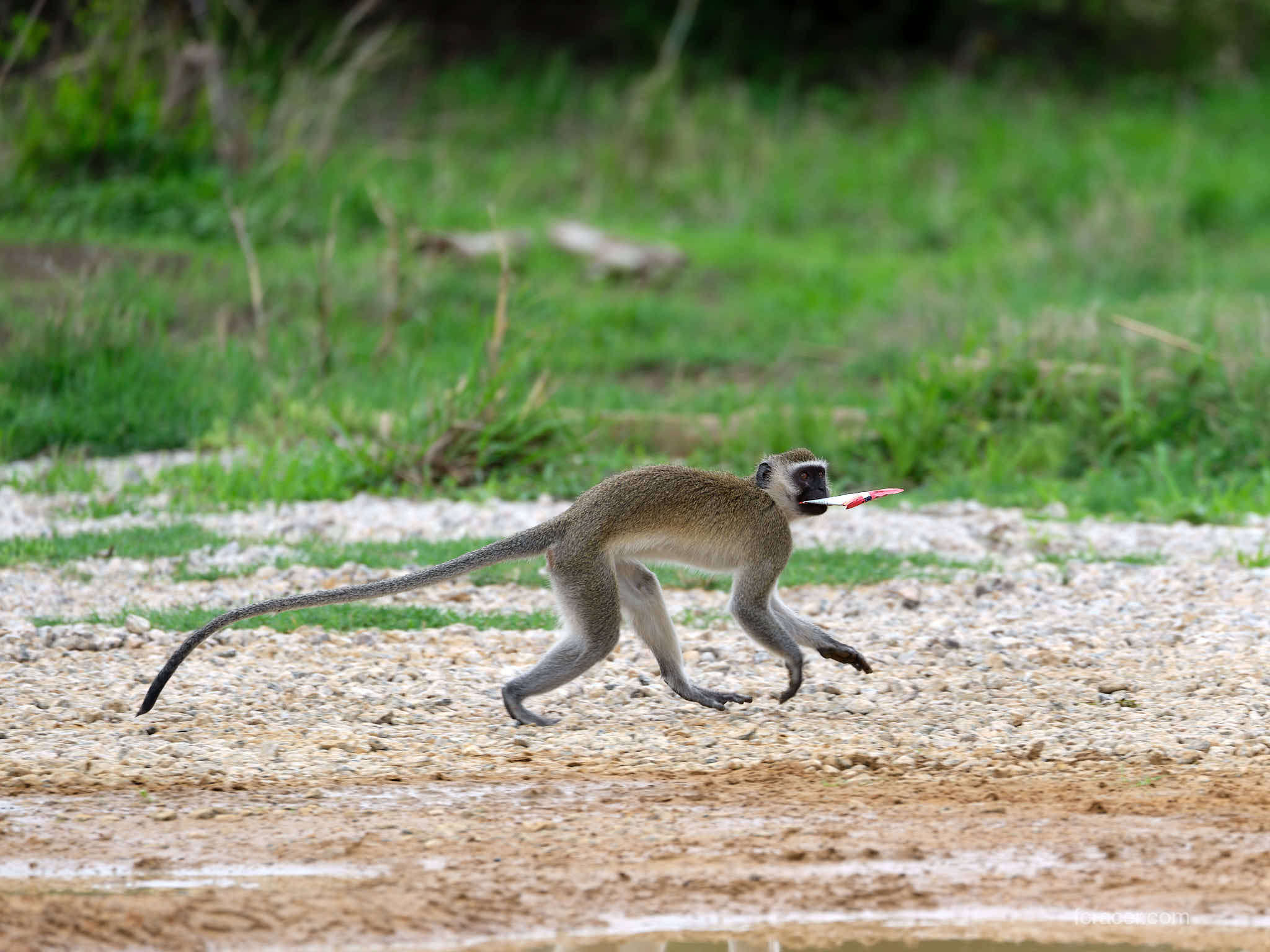
Our afternoon session was less exciting than the morning. As our guide had indicated, most of the animals will come out in the morning and evening, but if there was rain, they tend to stay hidden in the bush or under trees. Since we had some rain in the afternoon, our animal sightings were few and far between. We saw lots of antelopes and giraffes, but no more lions.
Things I Learned on my First Safari
- Research and select a good guide and especially ask about the local driver as they both are super important. If they had not communicated with the other drivers and guides, we wouldn’t have seen half the animals we did.
- Inform the driver and guide that you want to take photos and may need to stop at one spot for more than 10 minutes. Our driver and guide indicated 99% of people use their mobile phones to take photos and videos and move on within a minute or two.
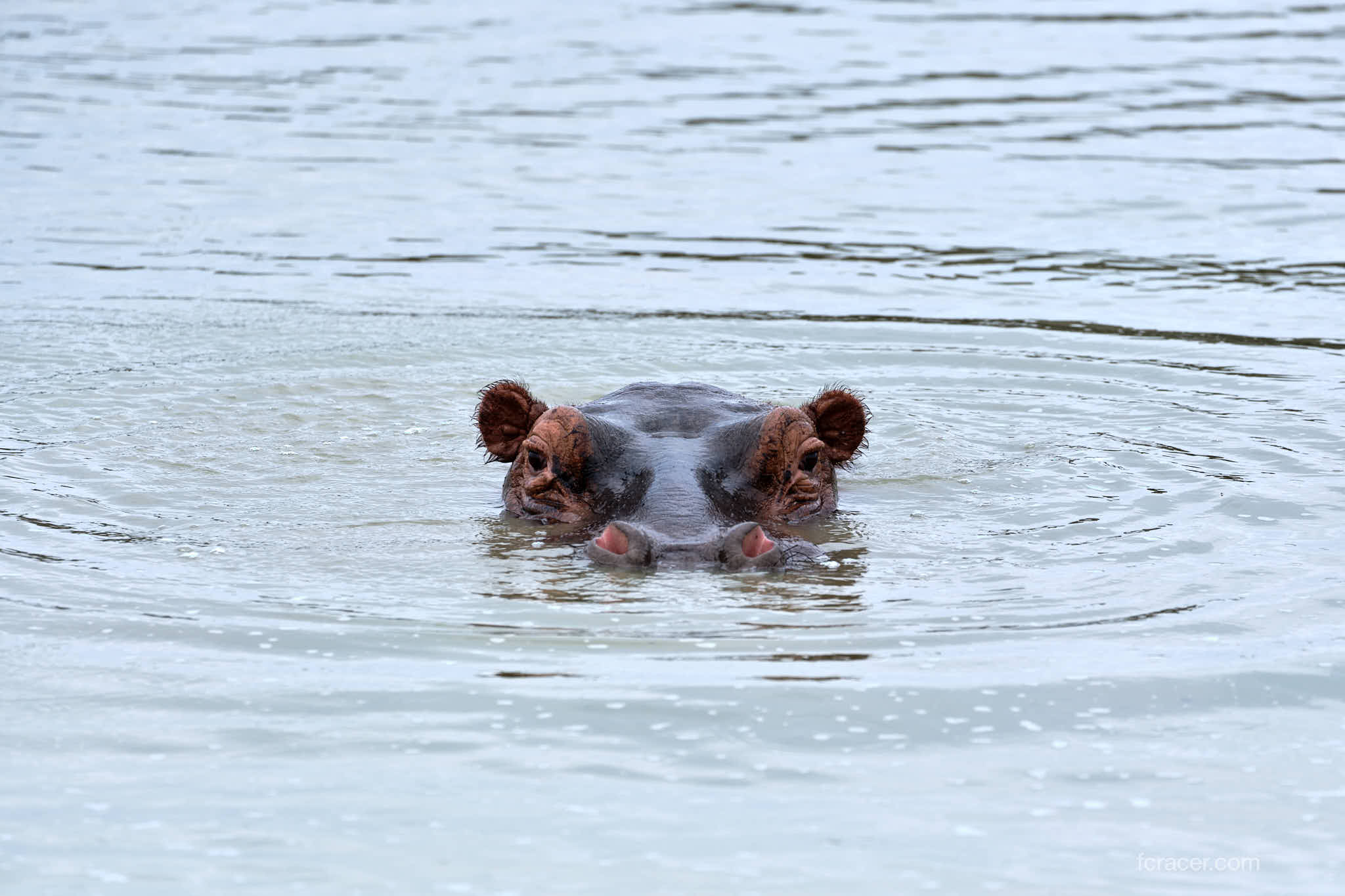
- Choose your jeep mates carefully because they may not have the patience to wait 10-15 minutes in one spot as you wait for the animals to do something interesting. It’s also important to guide your jeep mates to not move around too much when you’re trying to take images at 400 mm of a moving animal. The gentle rocking of the jeep was disrupting the camera’s stabilization system.
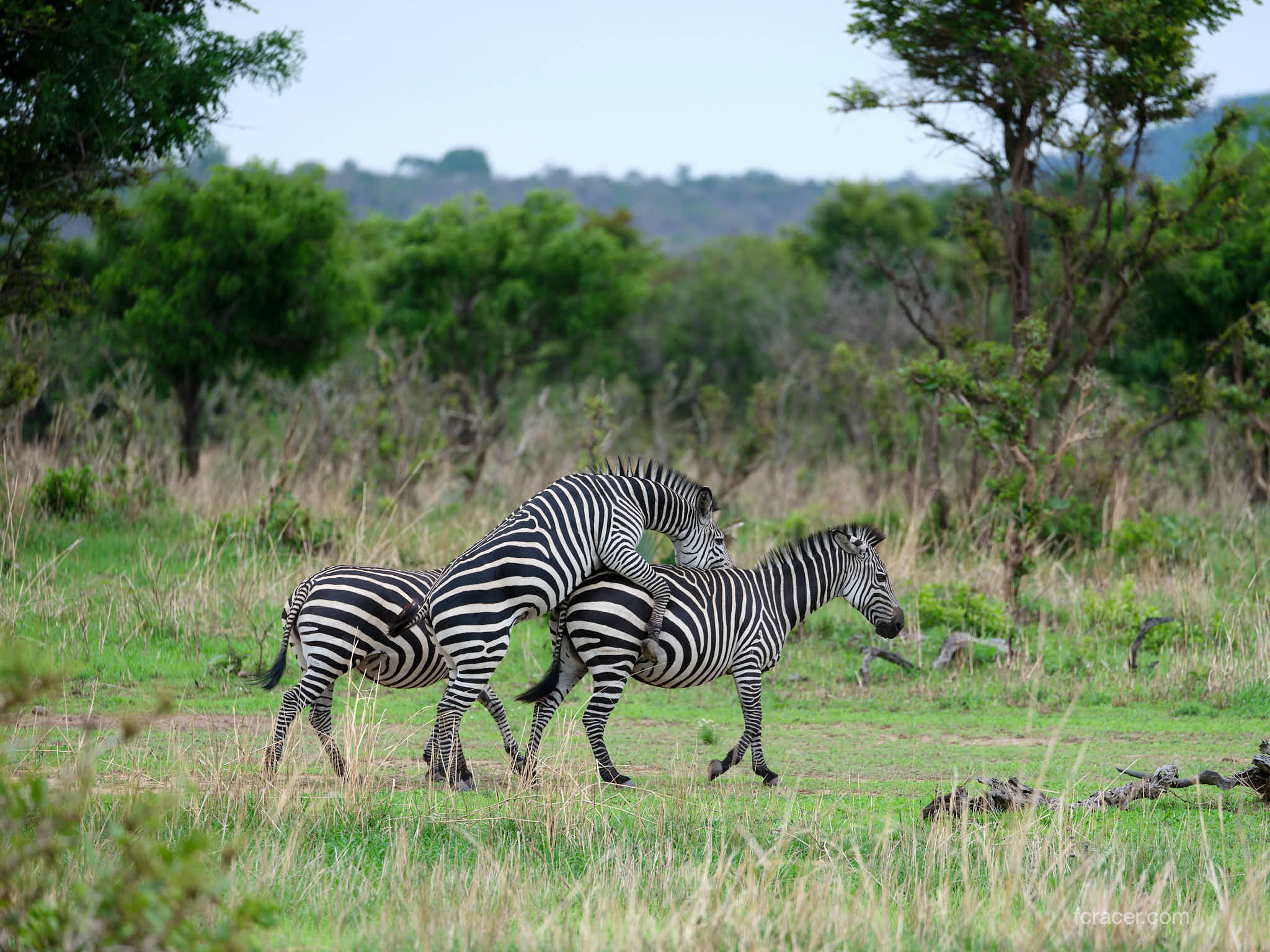
- Bring the longest focal length lenses that you have. I didn’t even take the GF32-64 outside of the backpack. I used the Canon EF100-400 II for the entire safari and wished I had even longer reach. Most of my favourite images are between 250-400 mm and some at 400 mm are cropped, indicating that a 150-600 mm would be ideal.
- Set the camera settings beforehand so that you don’t have to scramble like I did when I saw the lions so early into our safari. I landed at a minimum shutter speed of 1/500, however you can adjust based upon the movement of the animals and the camera’s stabilization system. I left ISO on “Auto” and chose the aperture depending on how much I wanted to isolate the animals. Remember that when using longer focal lengths, the depth of field becomes shallower so if you want to have a lot in focus, we have to use smaller apertures like f/8 to f/16.
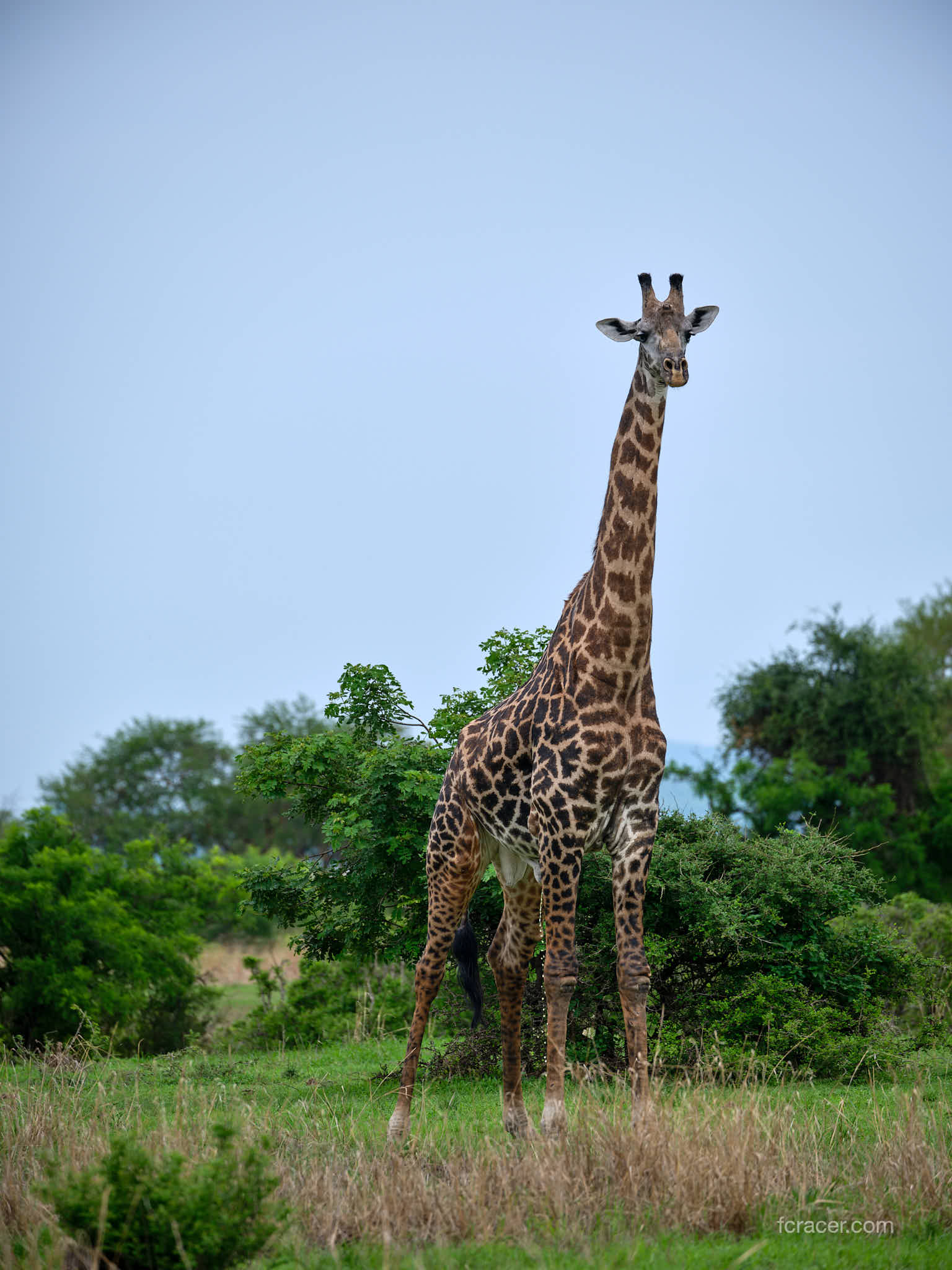
- Choose an open top jeep without the windows. It’s a bit harder to get in and out of since there aren’t doors, but the access to different angles and the feeling of being totally engrossed in the environment made it the perfect choice.
- Select an overnight safari so you can capture images at sunrise and sunset. Since we chose a day safari, we never got the chance to experience the animals with that amazing, deep red Tanzanian sunset.
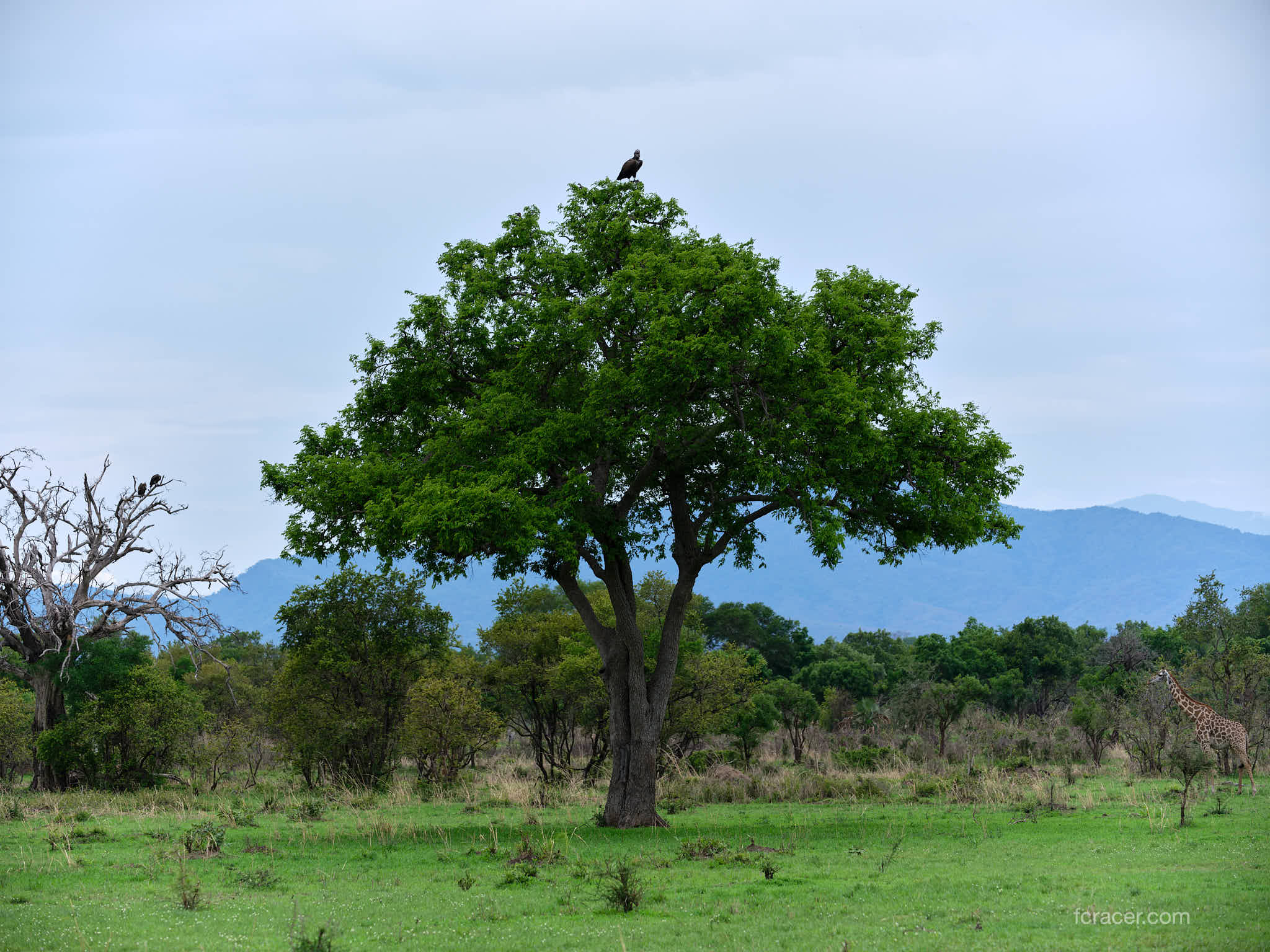
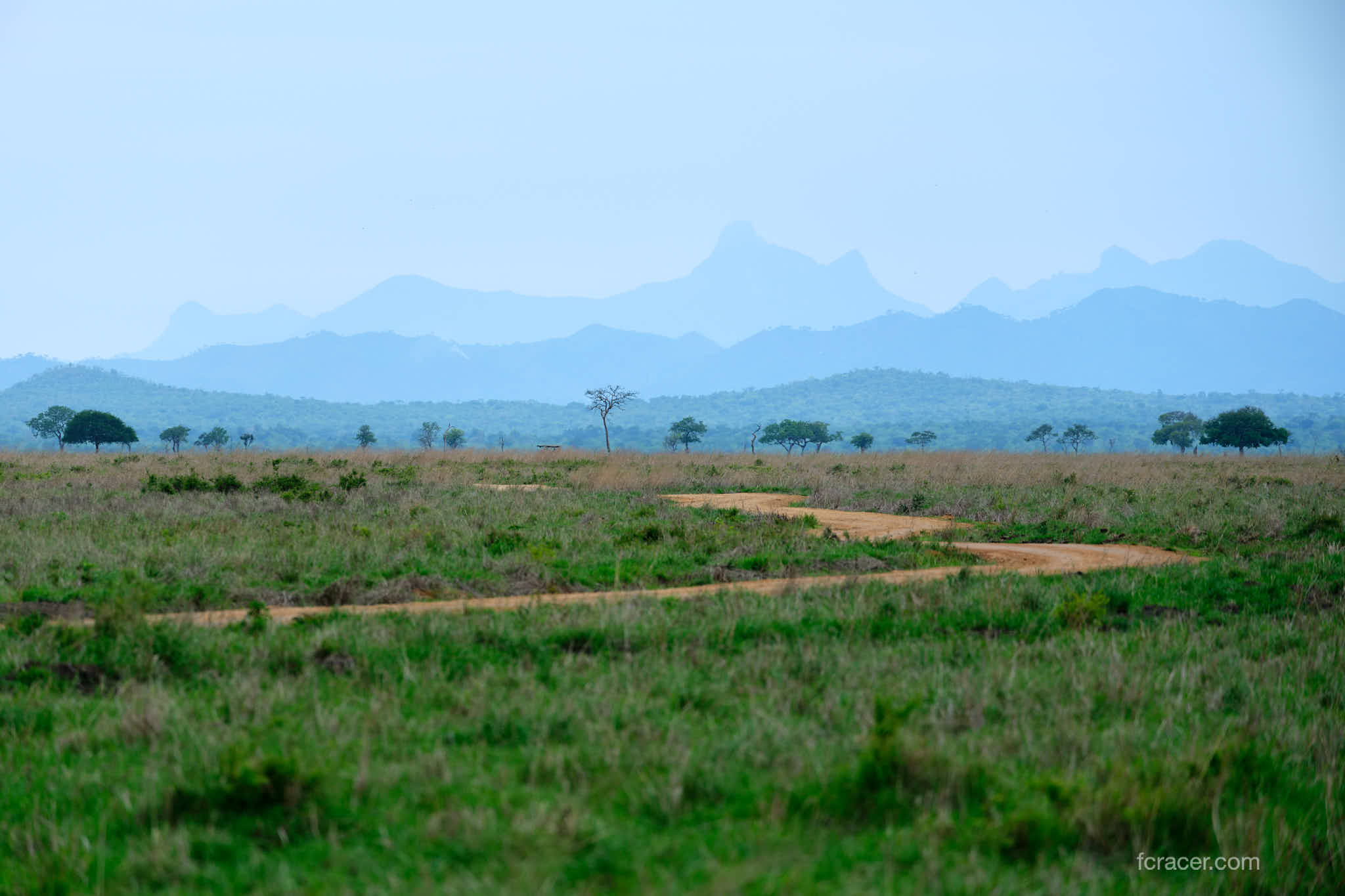
- Be prepared for lots of driving around without seeing any animals, especially if it’s raining. Ninety percent of our animal sightings were in the first few hours; once the rain arrived (even light rain), the animals mostly stayed out of the open areas.
Conclusion
In addition to the above, the most important learning I’d like to share is that you should do a safari, even if animals are not your thing. I was never a safari type of person; I’d rather be hanging out at the beach or walking around an ancient town. However, this experience has changed me. I’m now planning a week-long Serengeti safari, where the resort is inside the park.
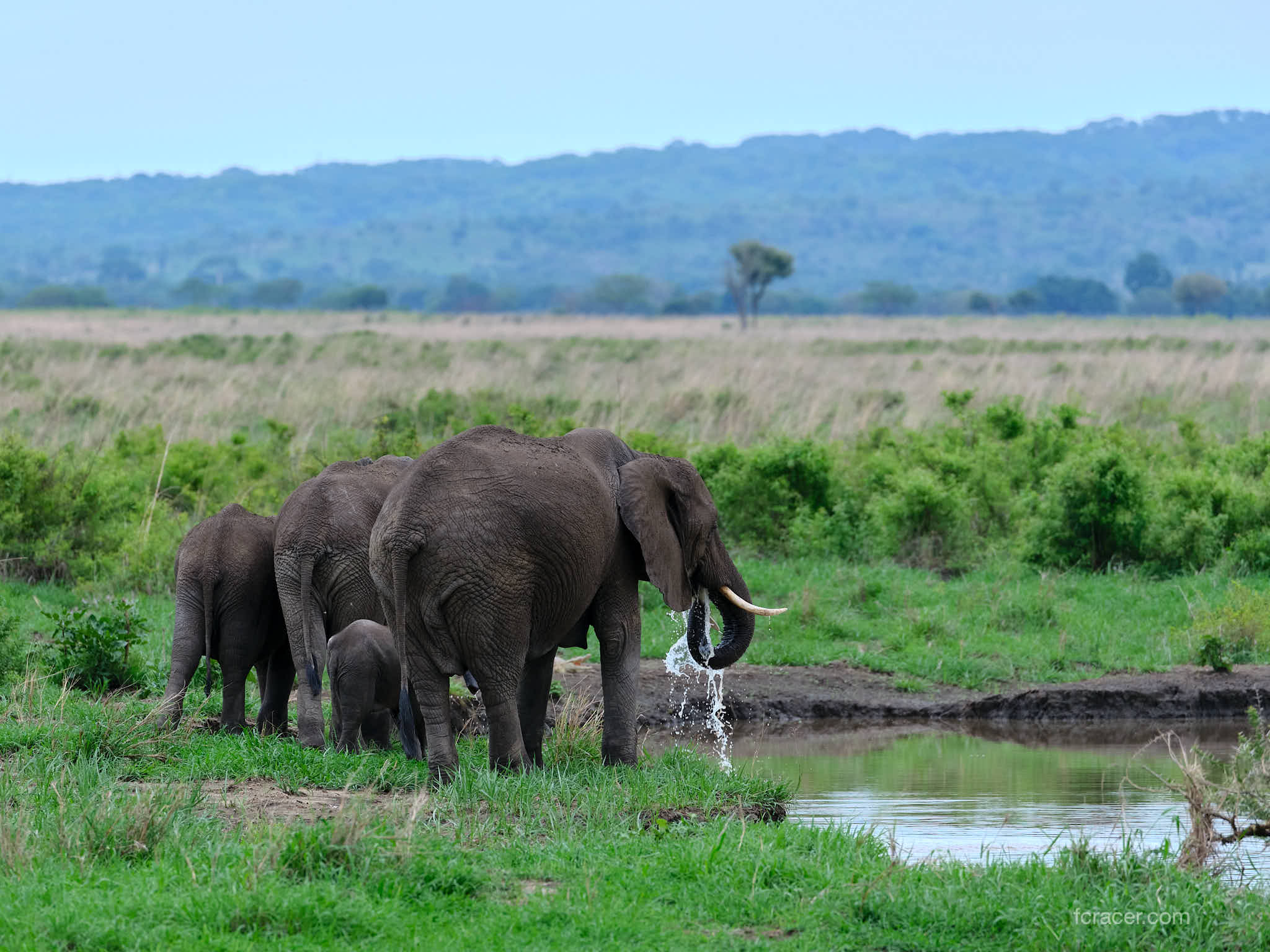
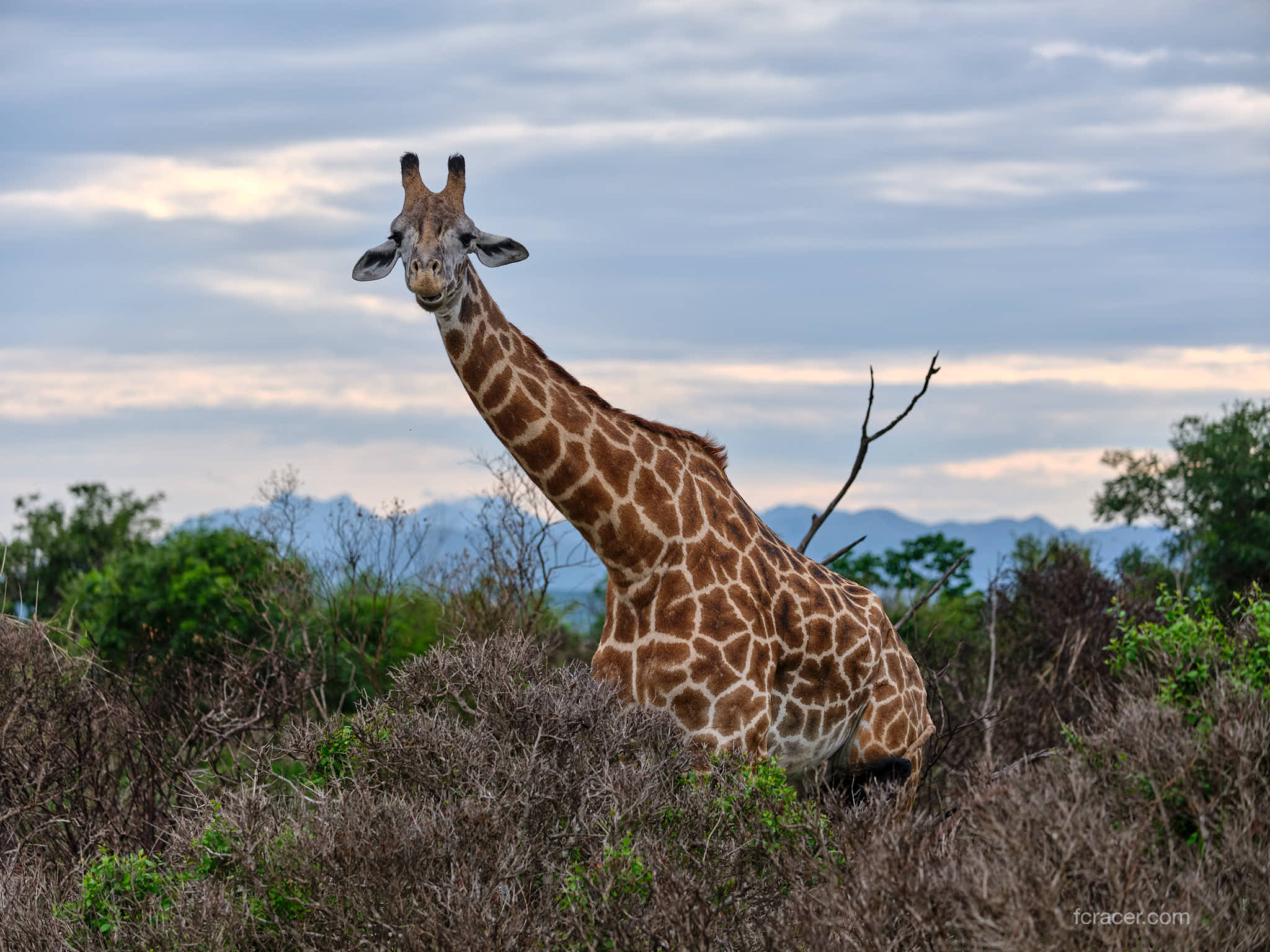
This was by far the best USD $270 I’ve spent in my life. The animals were incredible to see up close and personal. I went in looking for lions, but I fell in love with the giraffes instead. They make the cutest and most goofy faces, and their poses are full of personality and character. I love them and can’t wait to see them again!
I hope you’ve found this post useful. If you have any safari tips to share, please feel free to add them below by replying to this post. I’d love to learn from you. In the next post, I’ll share some thoughts on my first visit to Zanzibar Stone Town.
Gear Used
Since this trip included multiple stops including Bangkok, Dar es Salaam, Zanzibar and the safari, I packed quite a bit of equipment. Fortunately, this all fit easily in my trusty 12 years old the Rimowa Original Cabin luggage and Peak Design 20L Everyday Backpack.
- Fujifilm GFX100S II
- Fujinon GF55 f/1.7
- Fujinon GF32-64 f/4
- Fujinon GF110 f/2
- Canon EF 100-400 USM II with Fringer adapter
- Fujifilm X100VI
All images were edited and processed in Capture One Pro Mobile using an Apple Pencil Pro and Apple 11″ iPad Pro M4.
Discover more from fcracer - Travel & Photography
Subscribe to get the latest posts sent to your email.