
I’ve just completed the trip of a lifetime and I’m struggling with where to start in sharing all of this with you. I’m currently typing this on my first Qatar business class experience from Zanzibar to Doha and I could write an entire post on how amazing the Emirates and Qatar Airlines are.
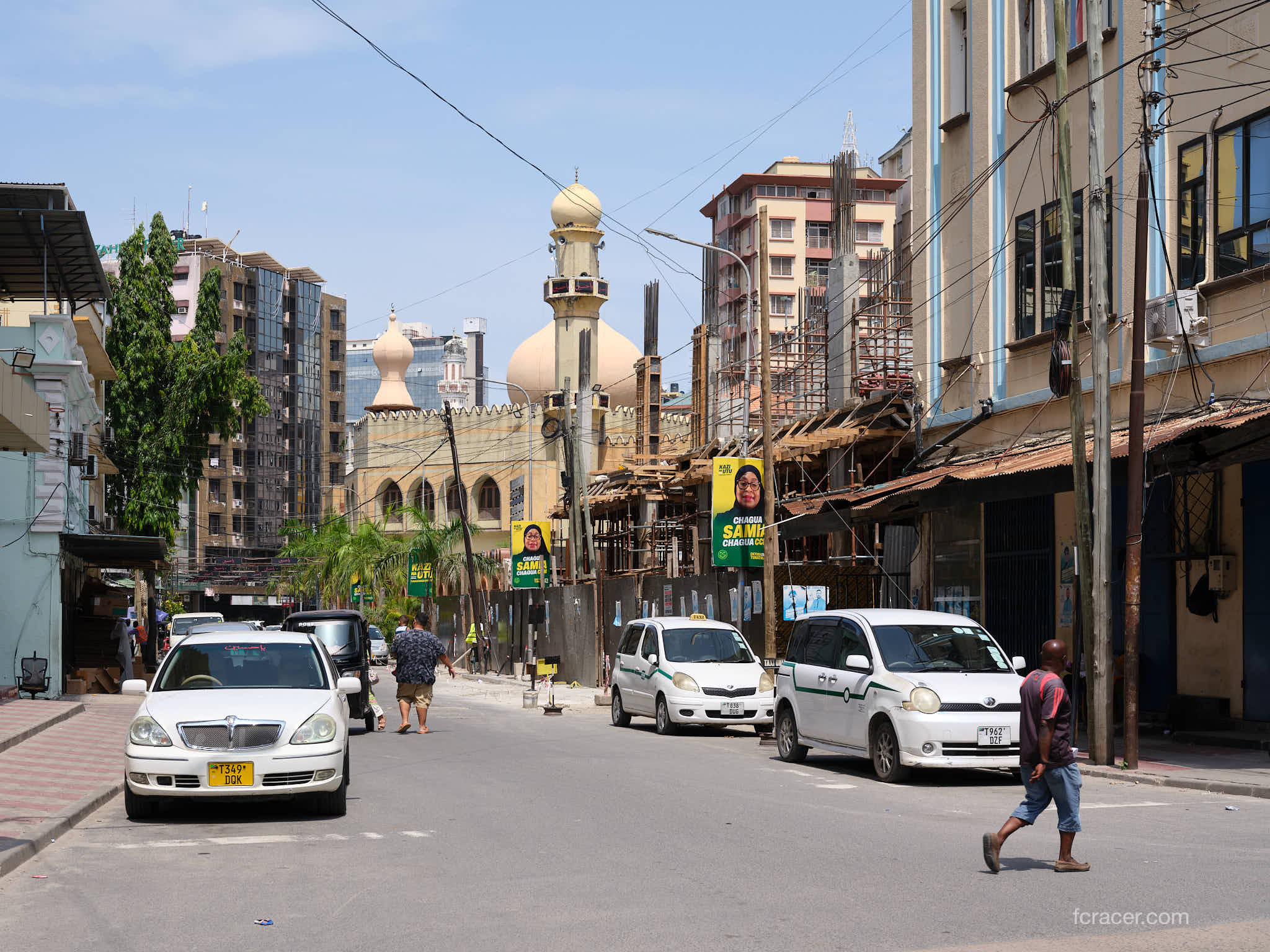
However, let’s put that aside for now and focus this post on Dar es Salaam in Tanzania. Dar es Salaam is probably not on your bucket list and I would argue that it shouldn’t be, unless it’s a stopover for exploring other parts of Tanzania. A bit of context may help understand why I’m so excited to share information about this city with you.
Background
My mother was born and raised in Dar es Salaam. Her life was going great with her family building a steady business and eventually marrying my father, who was also living in Dar at that time. Unfortunately, the Economic War in neighbouring Uganda spilled over to Tanzania and had the same result that all non-native people had to forfeit their assets and leave the country immediately.
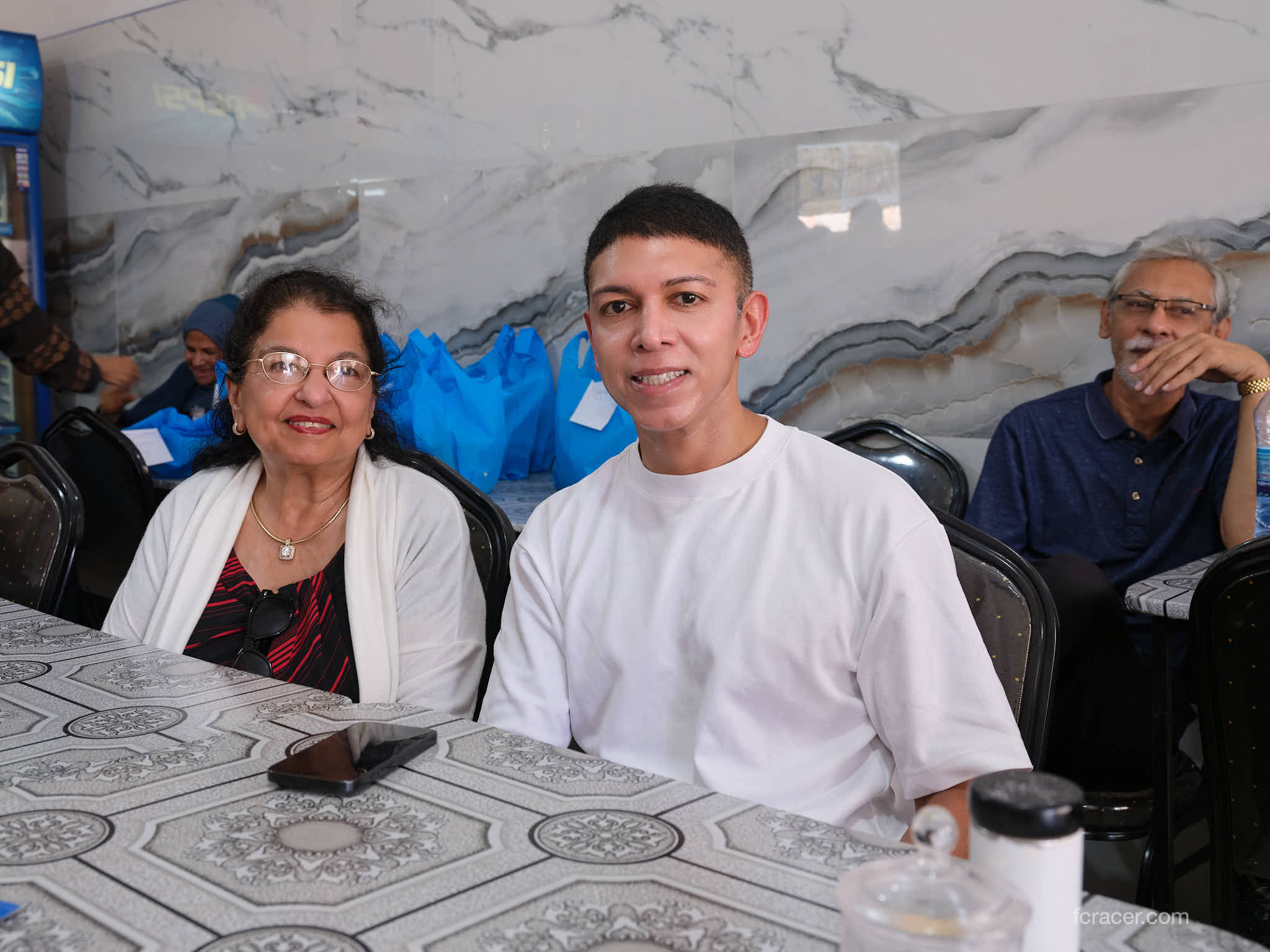
There’s a movie about this called The Last King of Scotland, which focuses on Uganda, but my parents’ description of what they went through matches closely with what I saw in the movie. They had very little time to leave the country and had to leave everything they had behind, including their cash. They immigrated to Canada as refugees and became highly productive and net contributing members of society.
Dad passed away in 2024 with a history as a successful businessman and Mom continues to run her two businesses including her very successful online beading business beadazzle.ca, which currently employs half a dozen people. Because of the trauma they went through, there wasn’t much talk about their past while growing up.
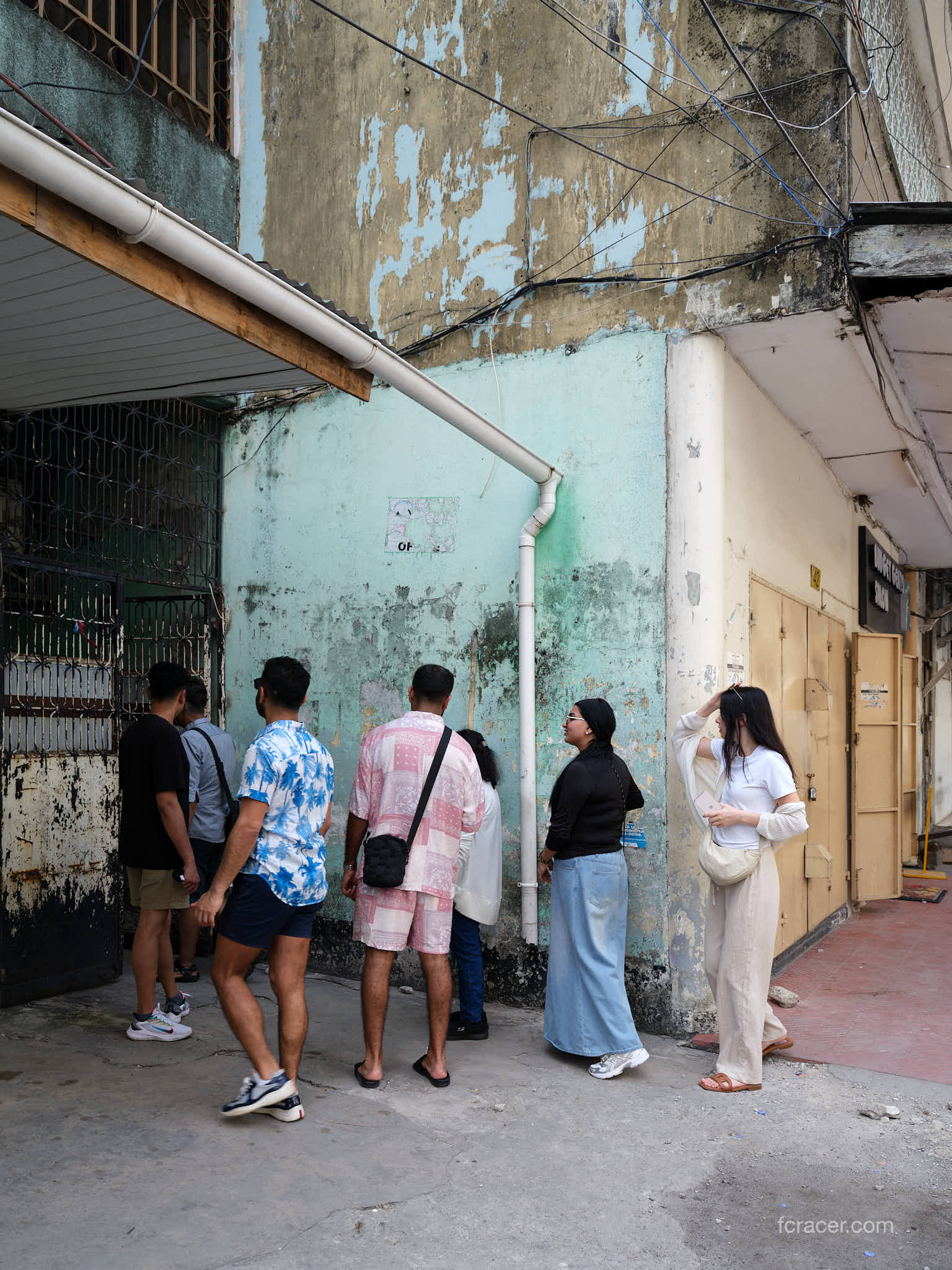
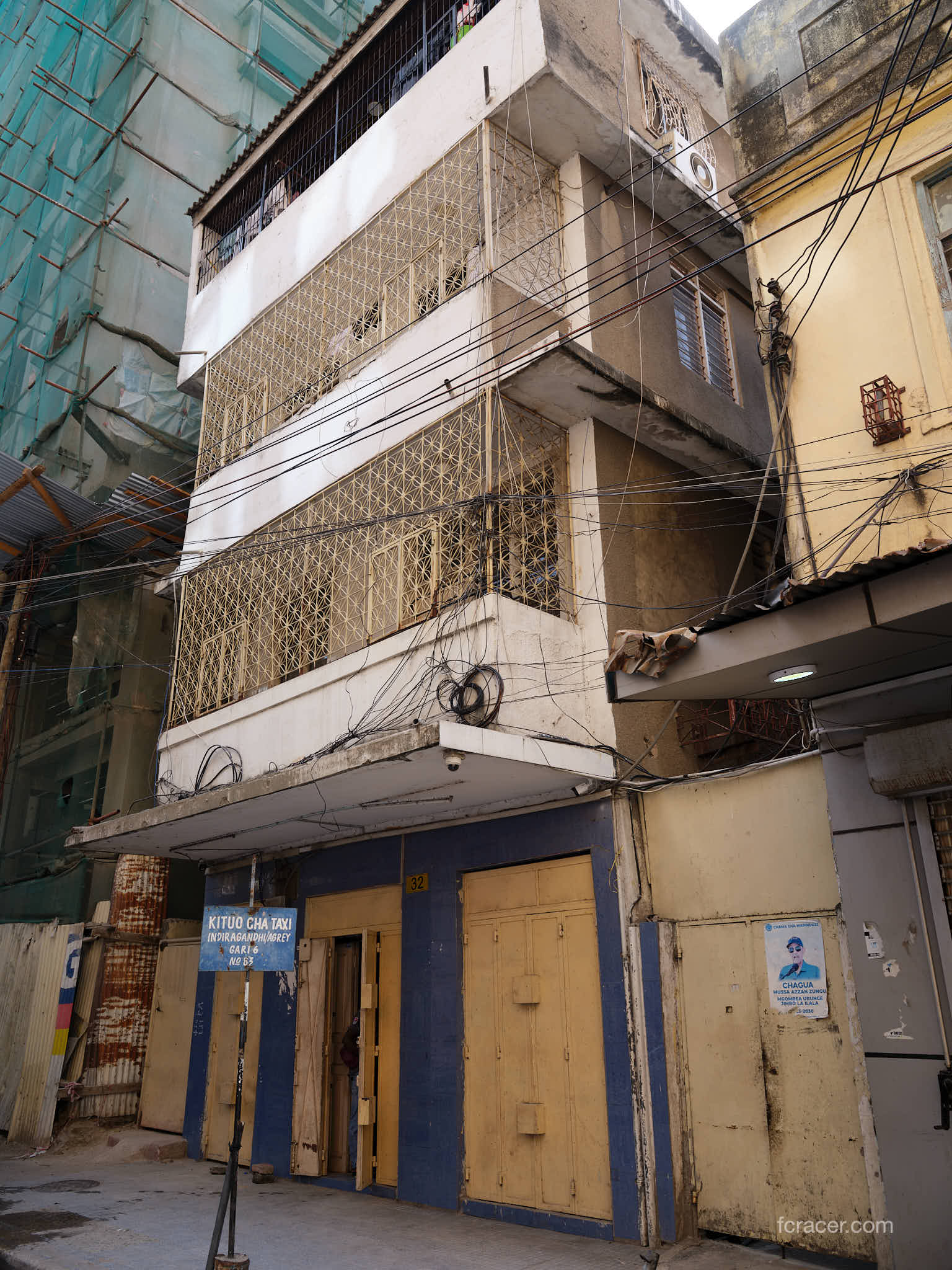
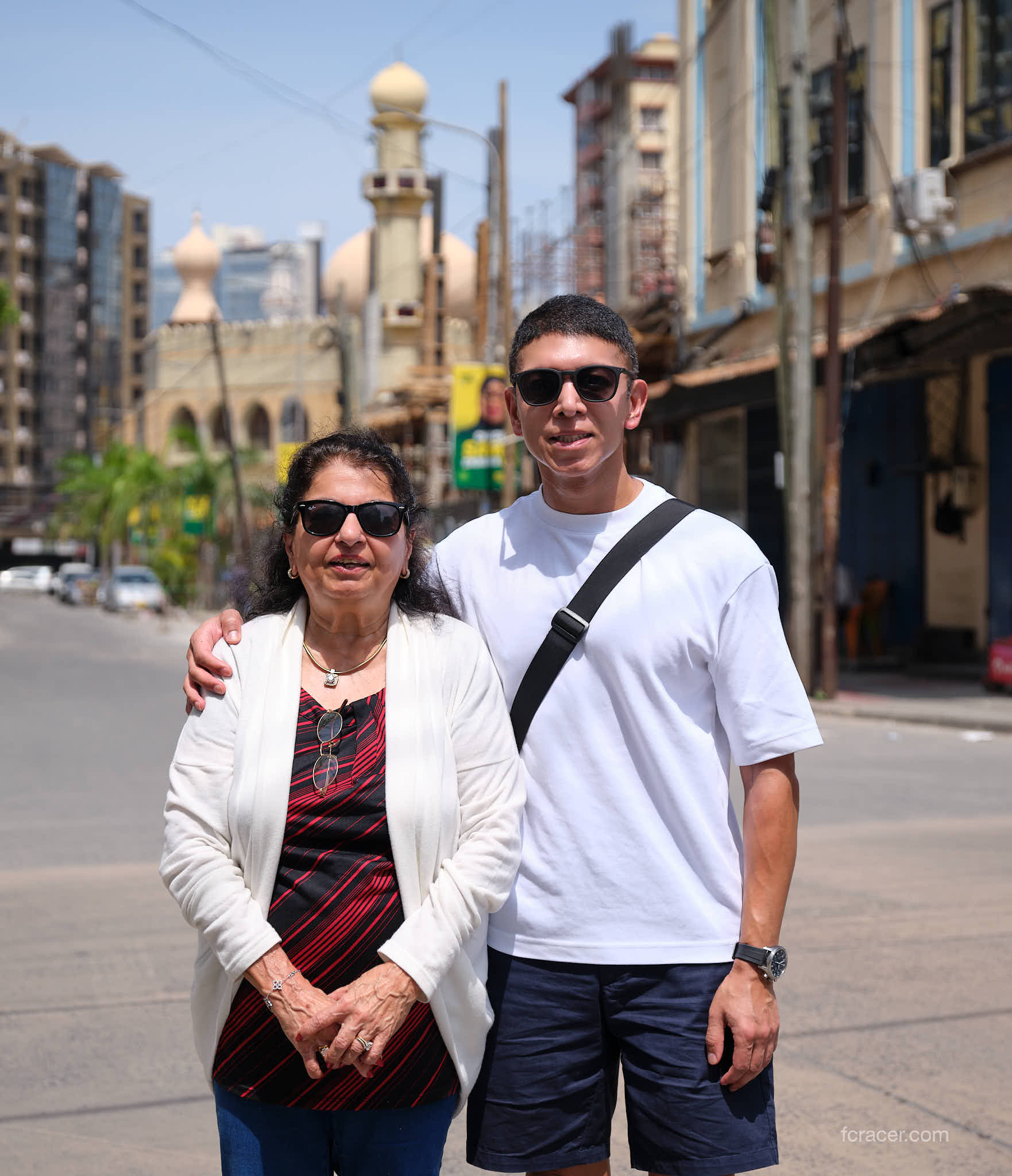
With Mom being 81 in 2024, she felt it was time for all of us to visit her hometown so she could share information about her childhood and important parts of her history and upbringing. It was magical to walk the same ground that my mother walked for two decades, 60 years ago.
Julius Nyerere International Airport (DAR)
The main airport serving Dar es Salaam is Julius Nyerere International Airport (DAR). It’s located about 12 km west of the city centre, and depending on traffic, the drive usually takes between 20 and 40 minutes by car. Taxis and ride-share services are readily available at the terminal, making for a convenient arrival into the city. We pre-booked a driver how was waiting for us with a sign.
Prior to our arrival in Tanzania, we read that all foreign visitors must apply for an e-visa. We dutifully completed the application through the terrible website; their payments systems kept rejecting my cards, to the extent that my cards blocked any transactions with Tanzania. After trying three cards, the payment finally went through, and about two weeks later, I received an approved e-visa.
Unfortunately for some of my family members, they never received their approved e-visa with the status stuck at “processing”. Furthermore, upon arrival, I was shocked and dismayed to see the e-visa lineup being very long, while the visa-on-arrival lineup was empty. My brother, who did not apply for an e-visa, was processed in less than five minutes.
On the other hand, I ended up waiting in the e-visa line for about 40 minutes. The immigration area was very hot, with many crying children. To help alleviate that situation, the staff consistently pulled families from the line and moved them ahead to complete immigration faster. This had pros for the family, but cons for us non-parent travelers. Thirty minutes of the 40 were spent as the second person in line as family after family was brought in front of me.
Once through immigration, baggage pickup was easy and another scan through a security x-ray machine later, we were in the arrivals terminal. Mistake #1 was applying for an e-visa. Mistake #2 was to buy a SIM card in the airport terminal. It took a full 35 minutes to get a SIM card setup, with absolutely no sense of urgency from the Vodacom staff. They were nice and polite, but pace was just not part of their DNA. I would soon come to learn the term, “pole pole”.
Pole Pole
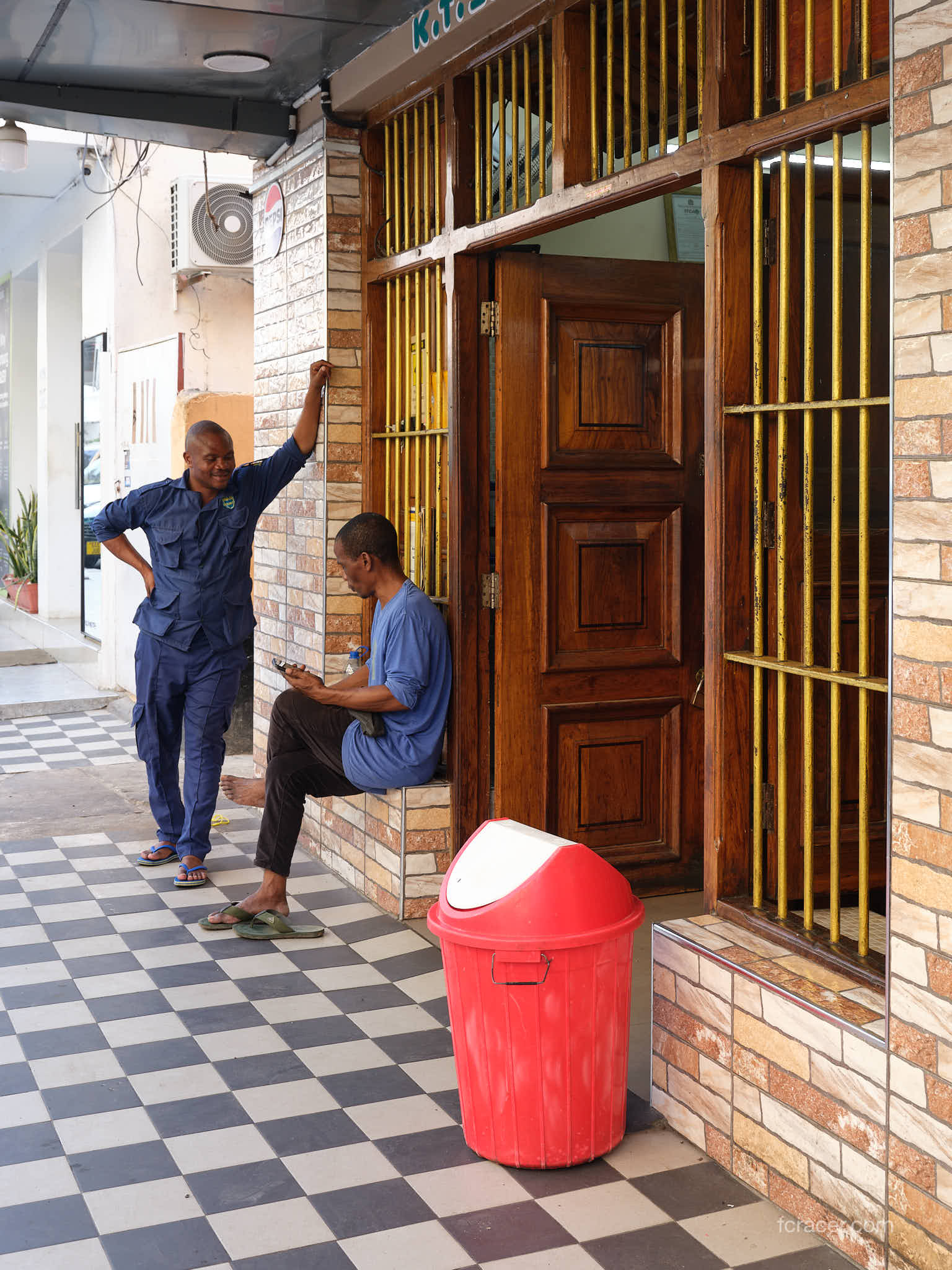
In Tanzania, “pole pole” is a Swahili phrase that translates to “slowly, slowly” in English. It reflects a cultural approach to life that values patience, calmness and taking things at a relaxed pace rather than rushing. This mindset is prevalent in everyday interactions and services throughout Tanzania, encouraging both locals and visitors to embrace a more laid-back attitude and appreciate the journey rather than focusing solely on the destination.
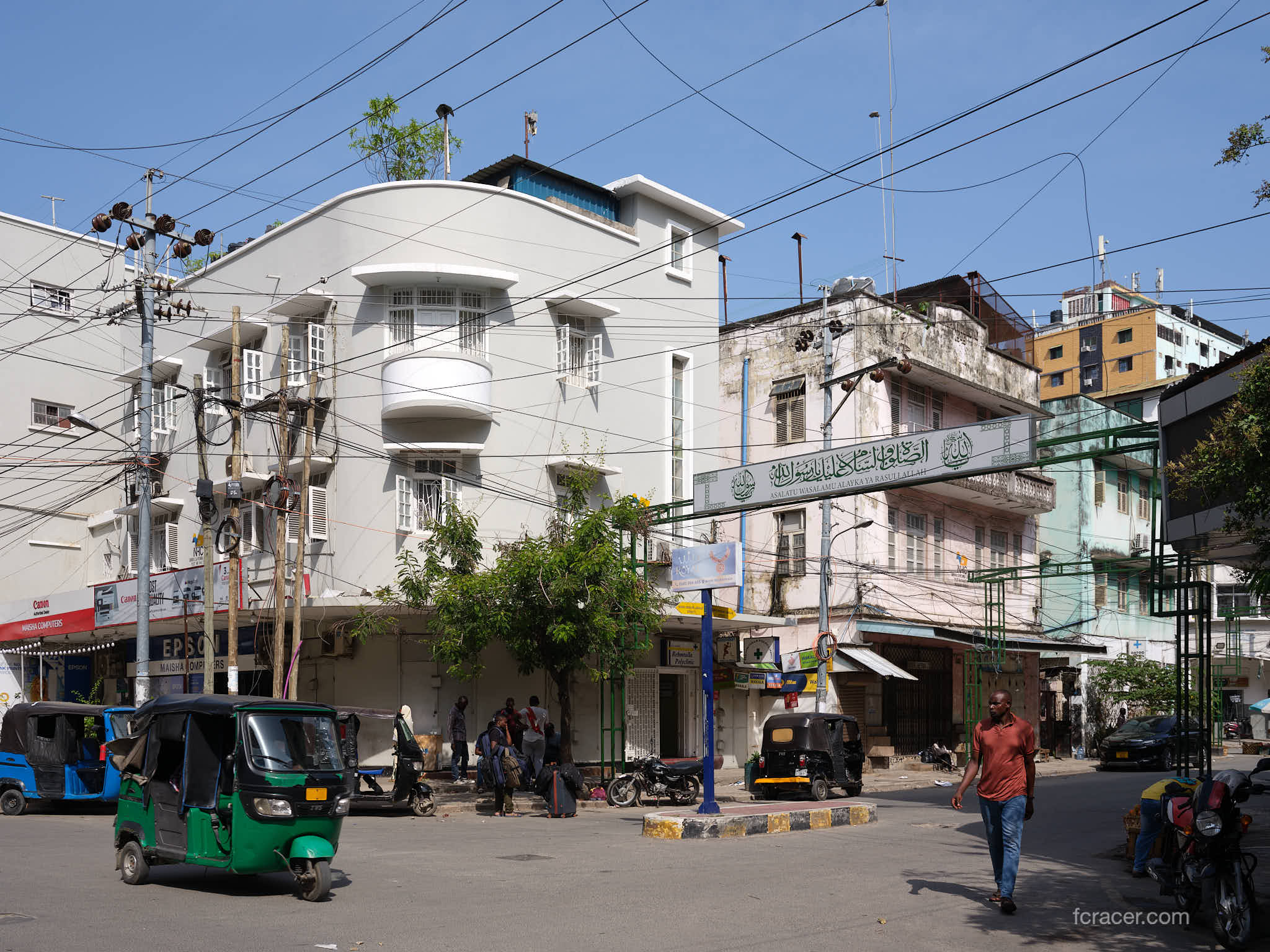
We would come to reiterate this term again and again as we encountered local service in both Dar and Zanzibar. By the end of the trip, we were well and truly on our way to adopting pole pole ourselves and slowing down our pace and expectations. To give some examples, pole pole meant that food ordered at 6:30PM would arrive at 8:00PM and a cocktail ordered at 7:30PM would arrive somewhere between 8-8:30PM, or sometimes not at all.
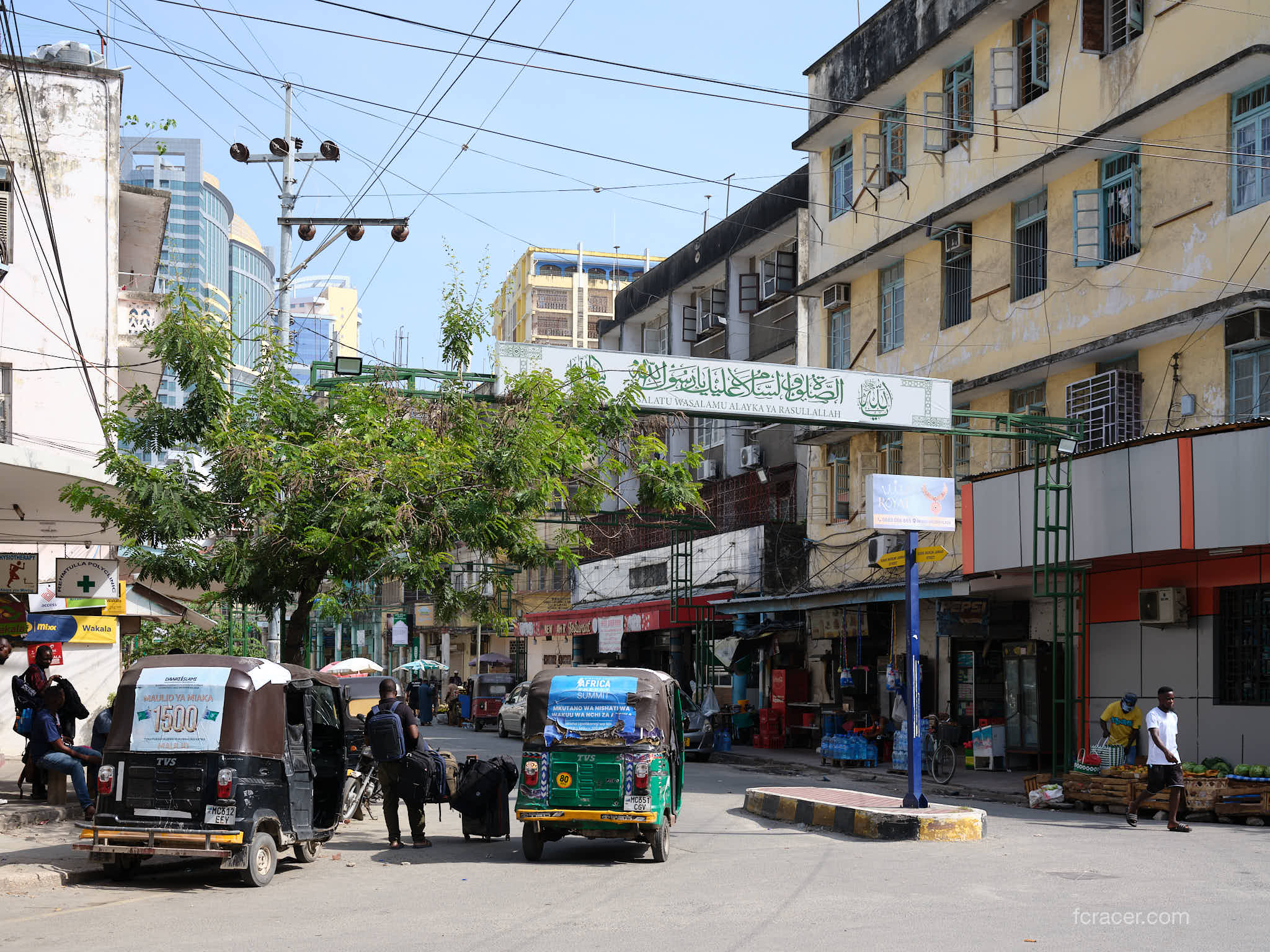
Dar es Salaam City
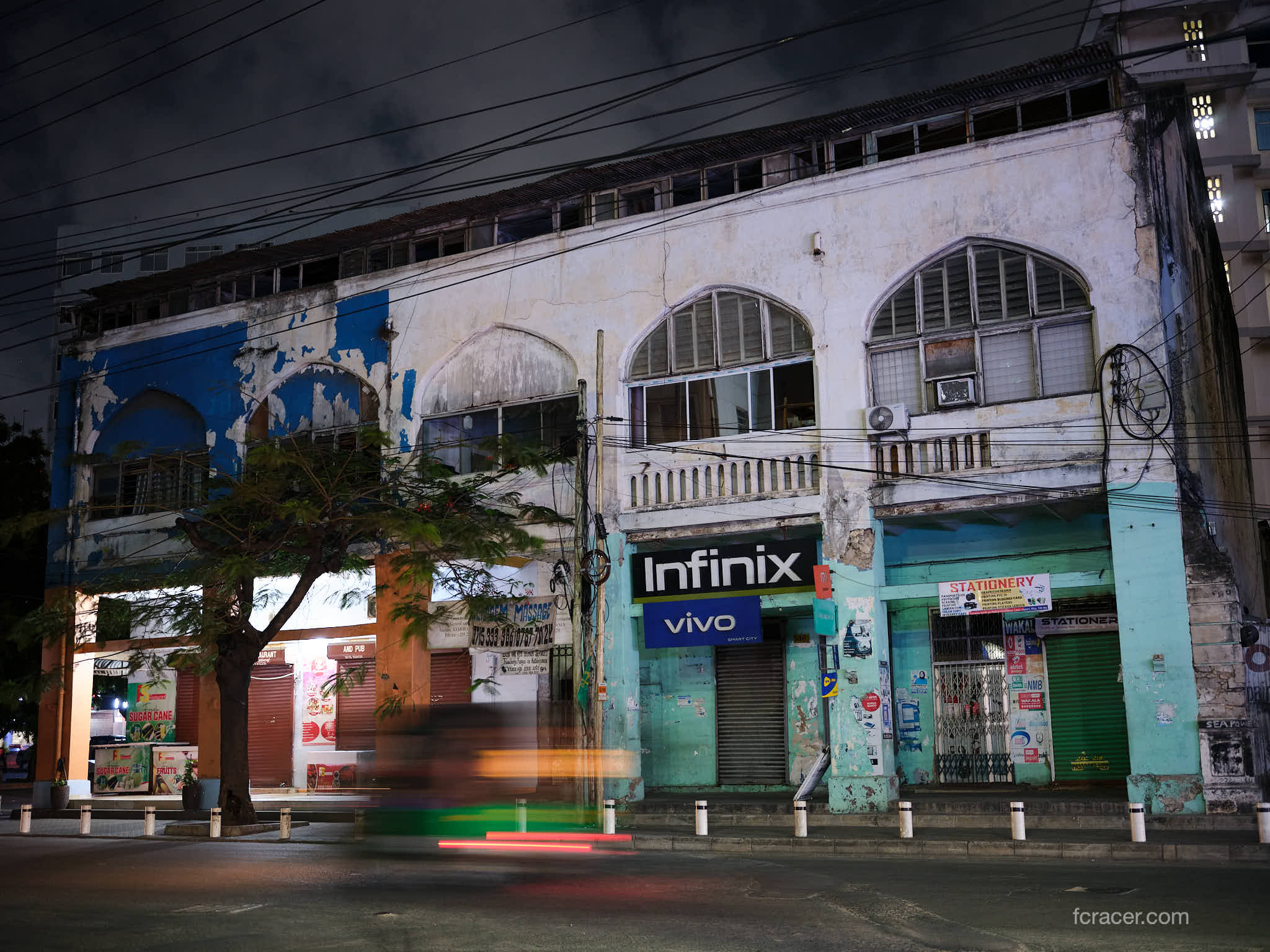
Dar es Salaam is Tanzania’s largest city and a major economic hub, shaped by a blend of African, Arab and European influences. Founded in the late 19th century by Sultan Majid of Zanzibar, it began as a small fishing village before becoming a strategic port under German colonial rule.
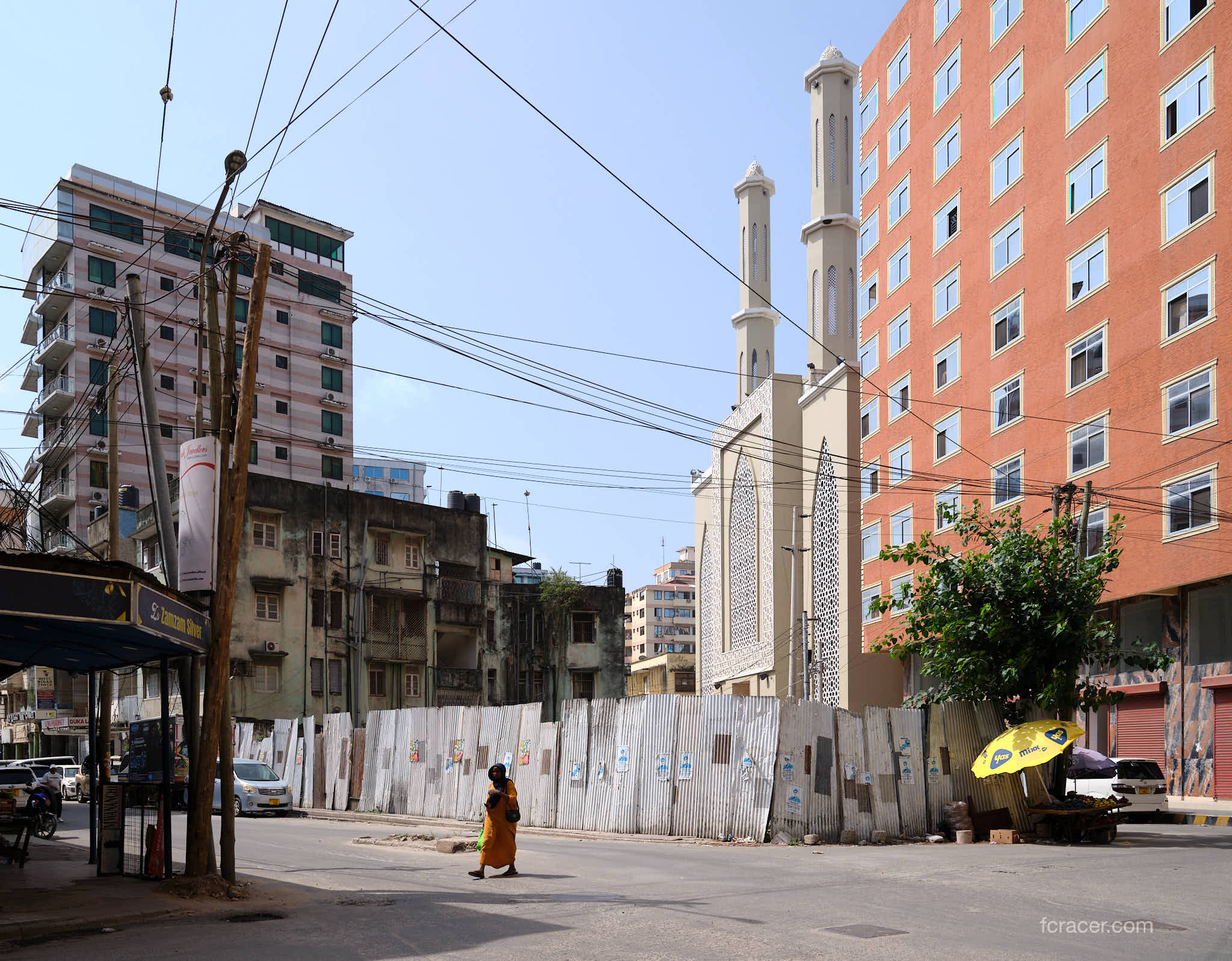
During this period, the city developed its early infrastructure and served as the administrative center for German East Africa. Later, under British control after World War I, Dar expanded further, attracting trade and migration from across the region. Today, its architecture and cultural diversity reflect this layered history, combining Swahili traditions with remnants of colonial design and modern urban growth.
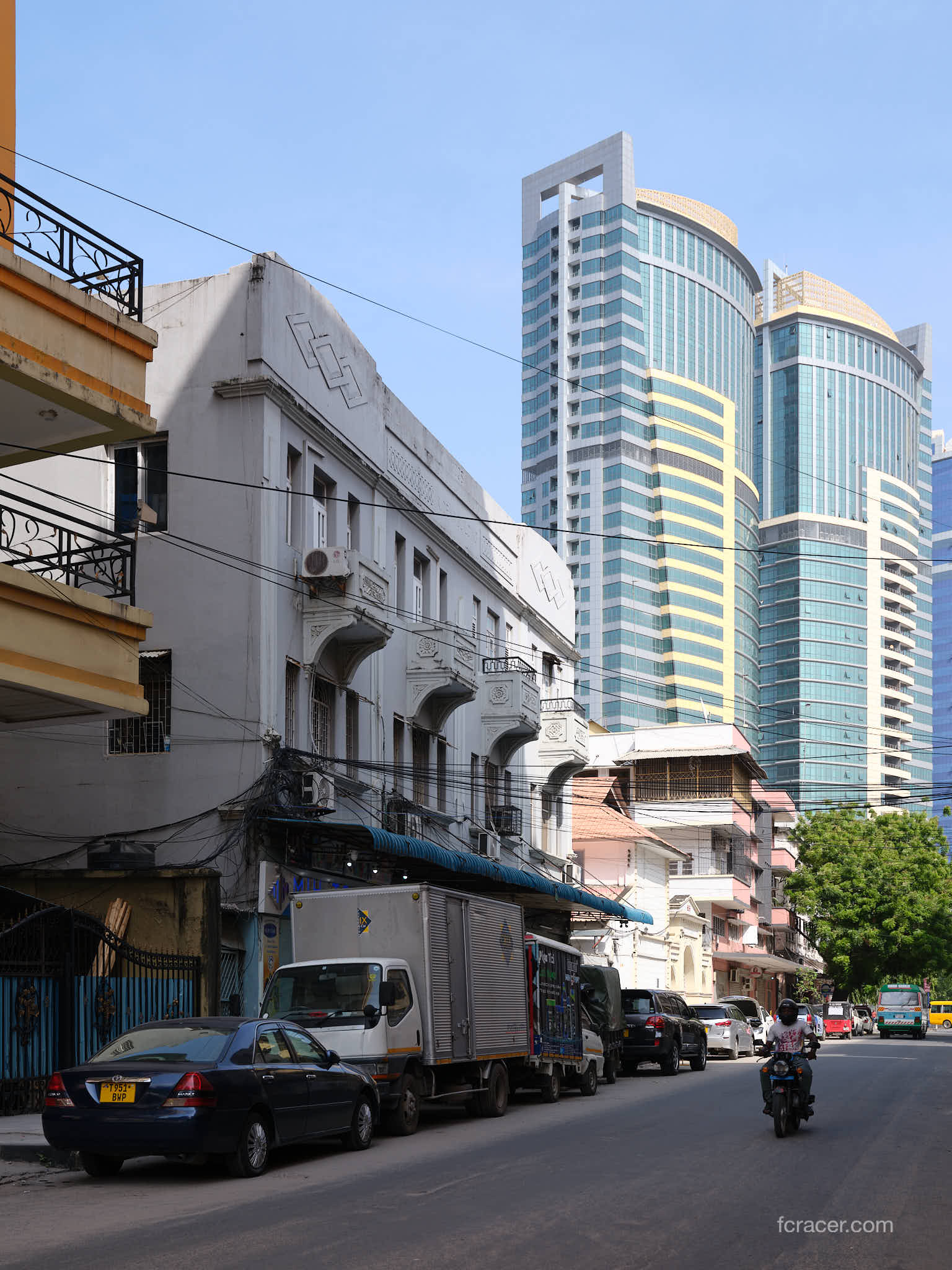
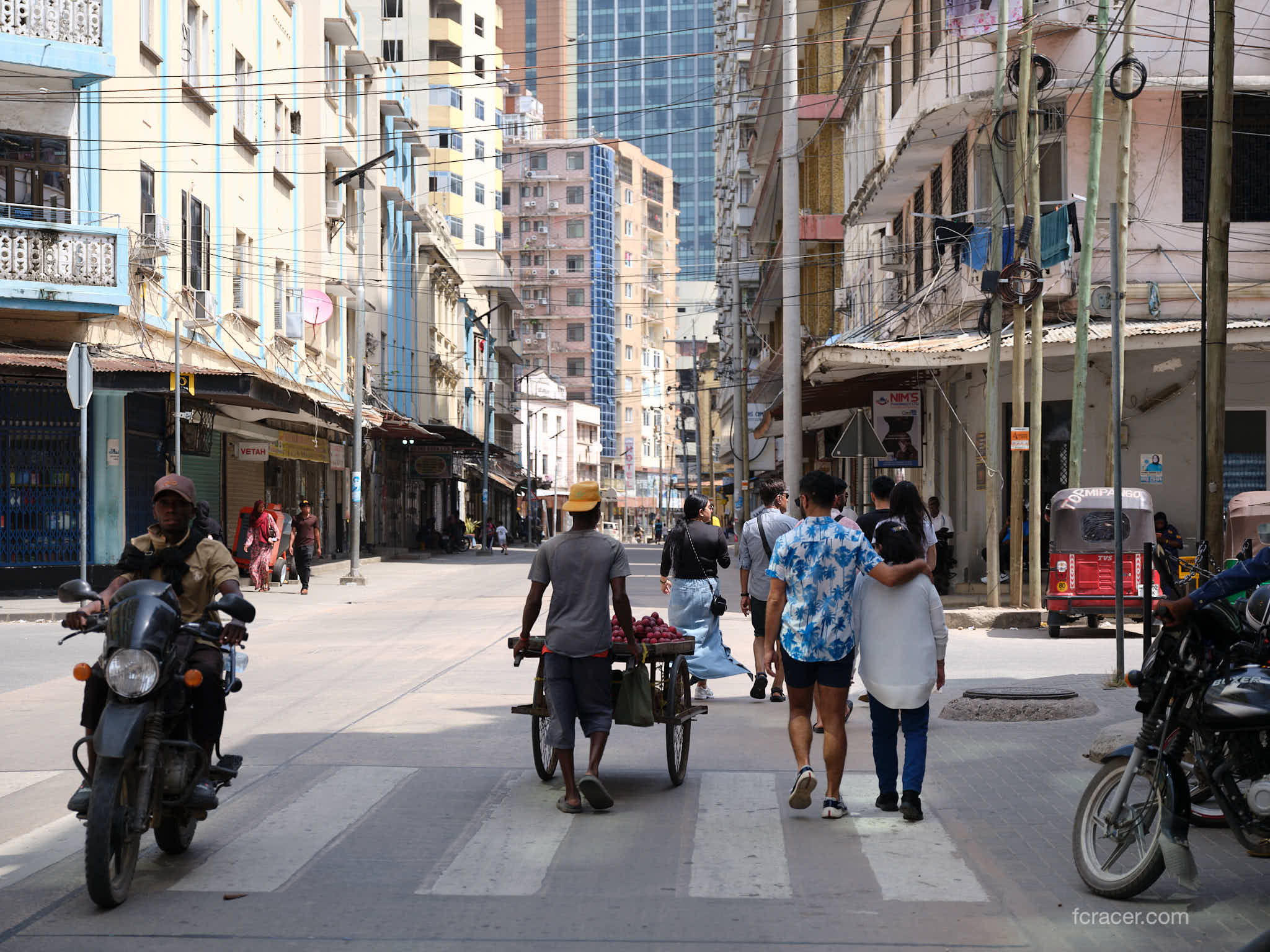
Because we were going to learn about Mom’s roots, we chose to stay in the downtown core. If you’re going to Dar as a tourist, I’d recommend staying in Oyster Bay as it’s a much more developed area with western amenities and comforts. Downtown Dar is more focused on business and doesn’t have much for a tourist to do.
On the weekends especially, the downtown becomes very quiet and a bit desolate. There were times where we were walking around and the only people around us were desperate looking women holding hungry children. They would approach us for money; my brother gave one woman USD $1 and suddenly we were swarmed by women and young children.
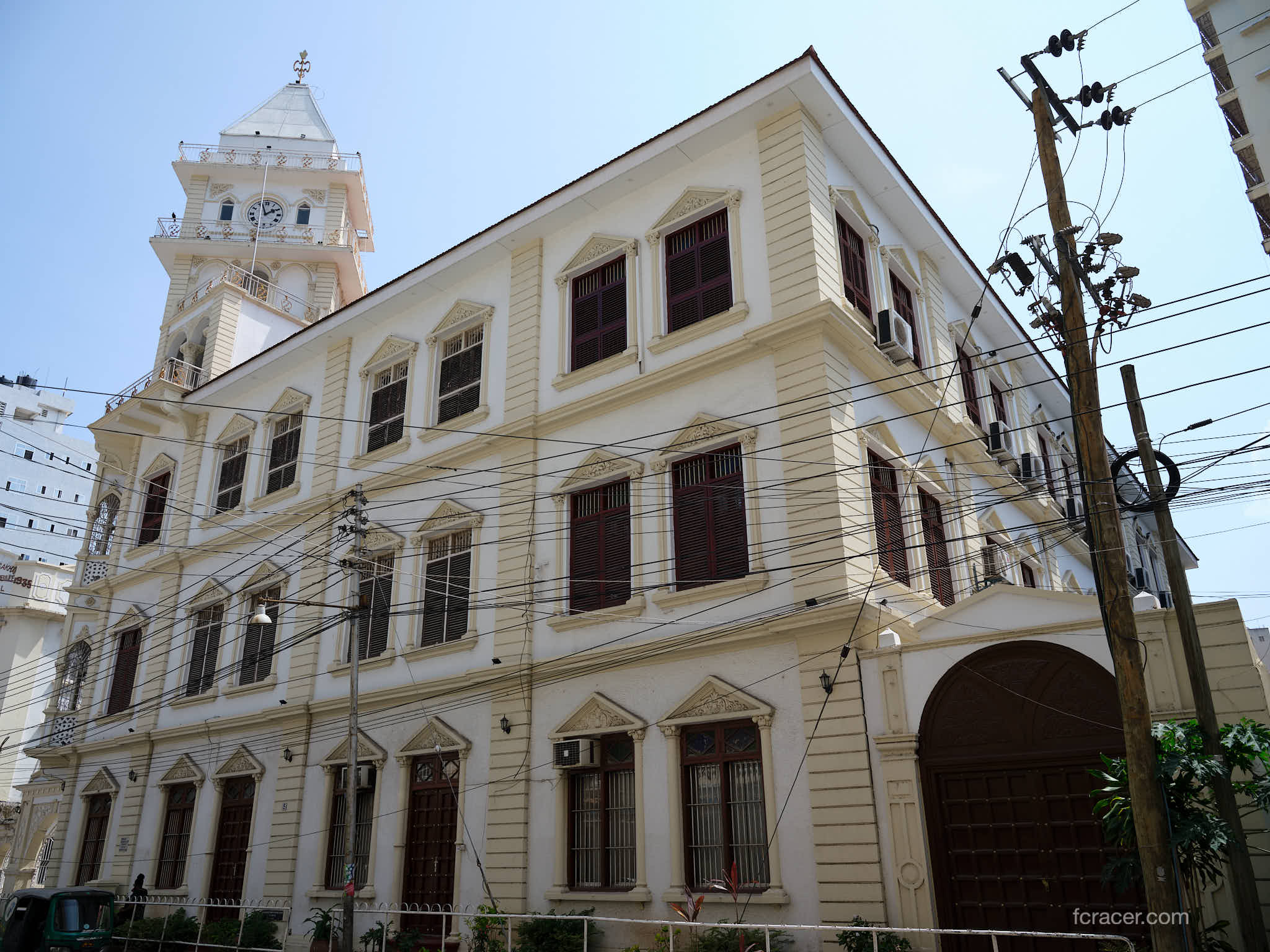
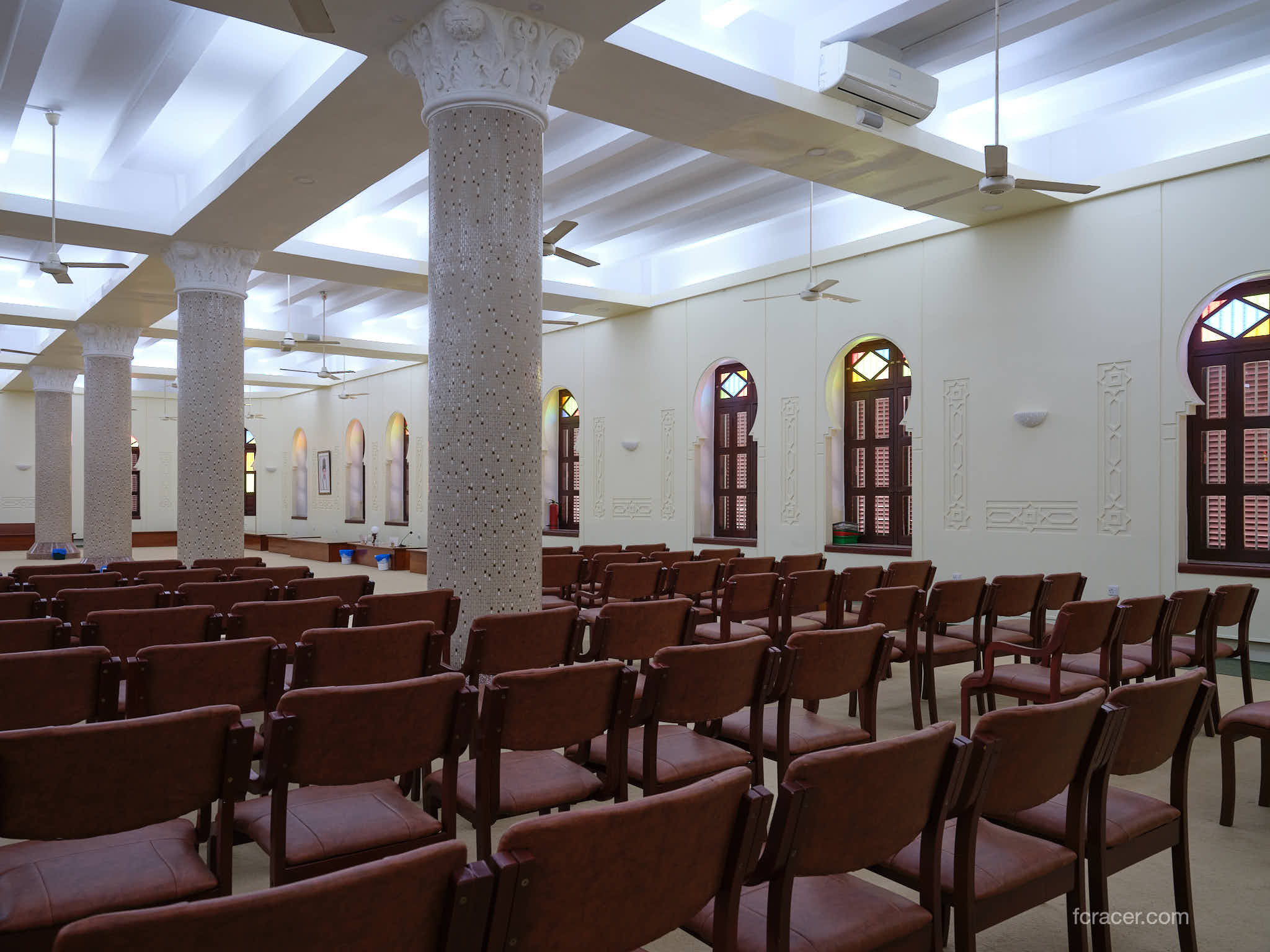
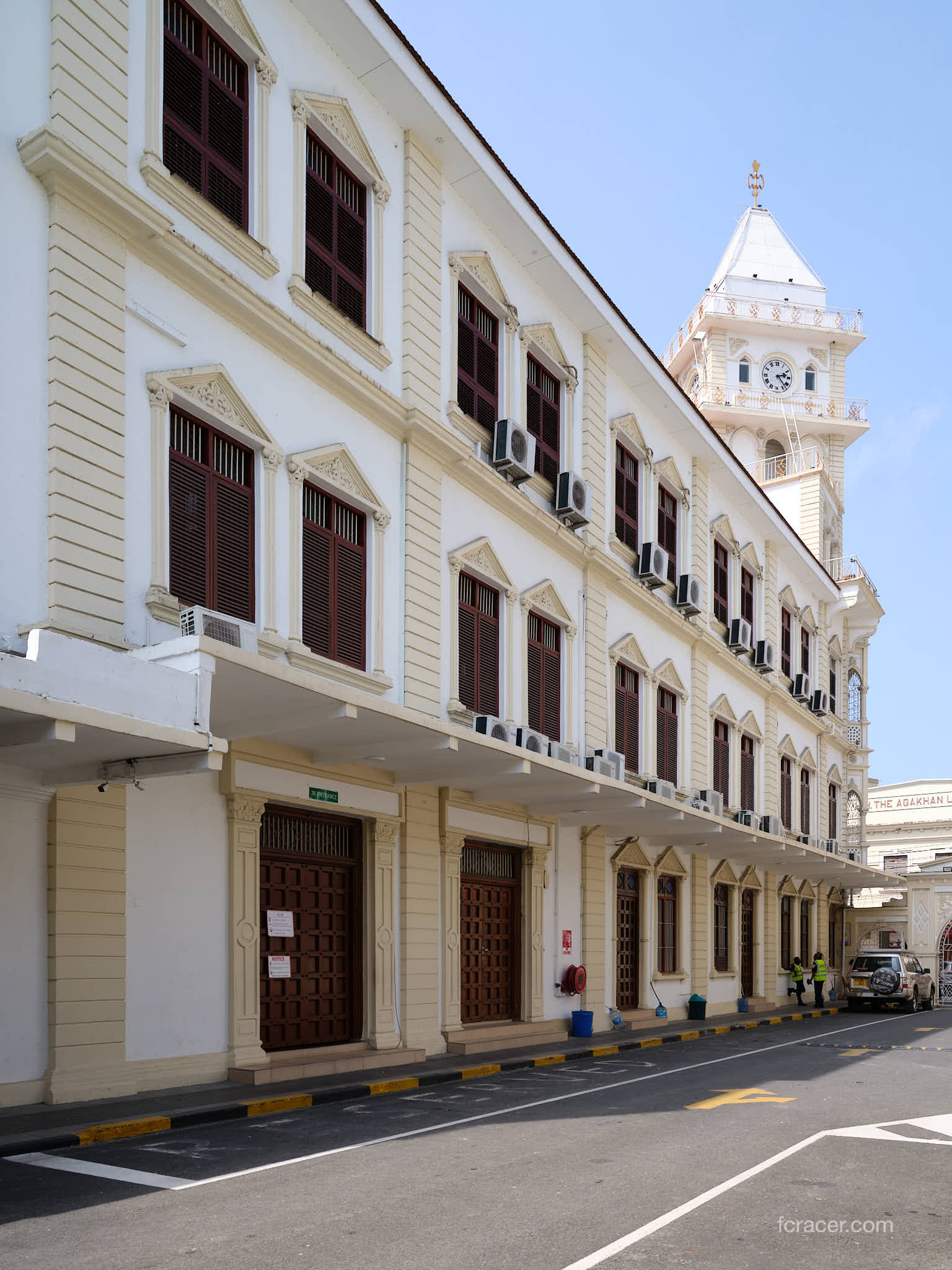
It was somewhat frightening and took a good ten minutes to disperse the crowd. However, I should note that while it was scary with so many strangers so close and kids literally pulling at our pockets, there was nothing stolen and no harm done. They were merely trying to get some easy money.
Hyatt Regency Kilimanjaro
Our home for three nights was the Hyatt Regency Kilimanjaro; this turned out to be an excellent hotel, with super friendly service and an ideal location to follow Mom’s young footsteps. This was very much a business-oriented hotel so the staff were a bit surprised to see a family of eight turn up for a vacation. Once we explained our purpose, the staff became extremely nice and helpful.
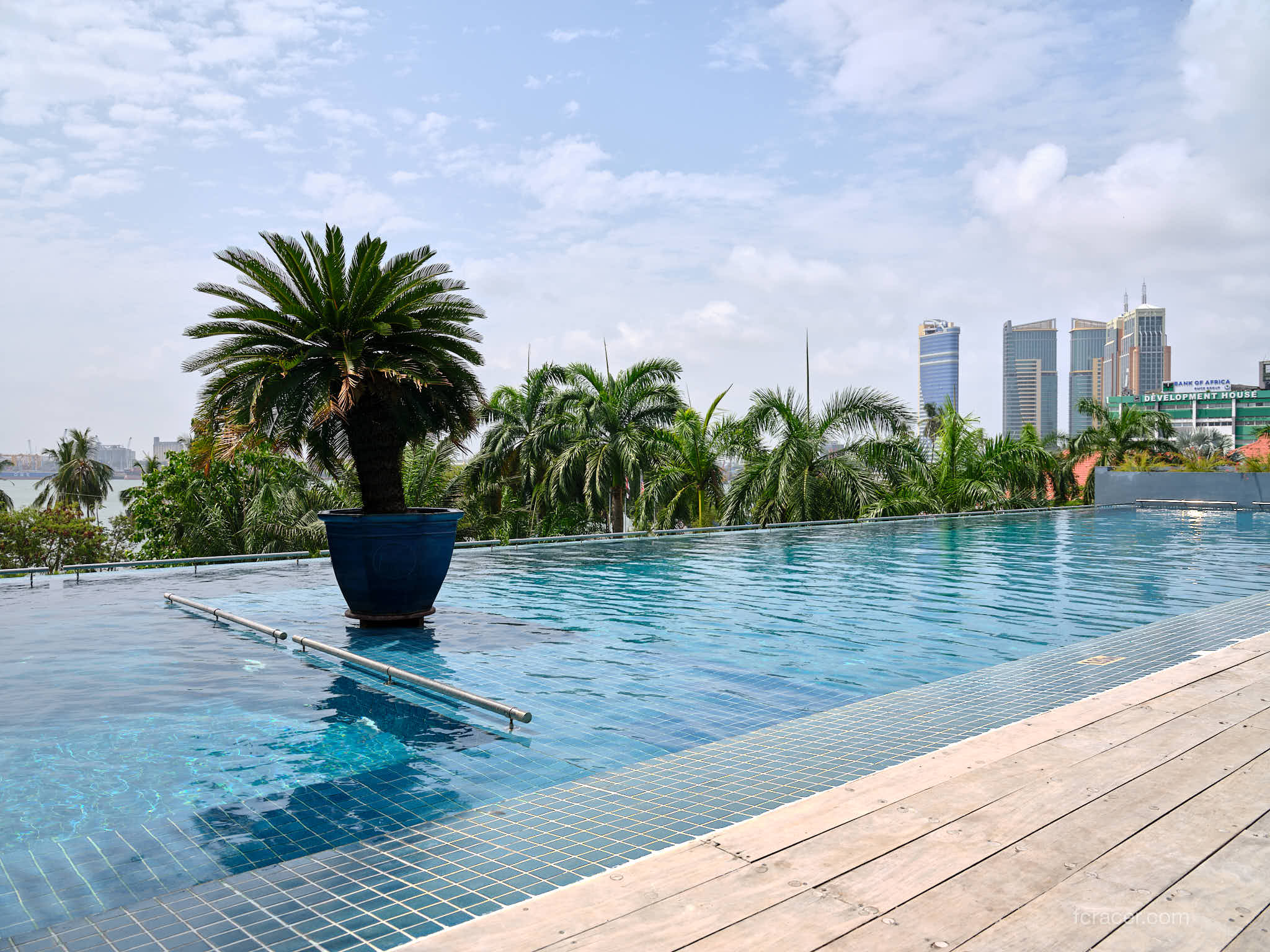
The best part of the hotel, besides its central location, was the pool area, which overlooked the inlet that connects to the Indian Ocean. This made for a wonderful place to spend the super hot afternoons, laying on a beach chair and taking dips in the surprisingly deep pool (1.8 m!). The pool depth was consistent in Tanzania and Zanzibar with the deepest ends being 1.8 m or more.
Another great aspect of the hotel was its rooftop bar, Level 8; every night that we were there, they had different DJs spinning up afrobeats, hip hop, and even one night of EDM. It created a nice variety and a fantastic place to unwind before heading to sleep after a long, hot day. Food was excellent, but then food underpins Swahili family culture, so it’s expected everywhere in Dar.
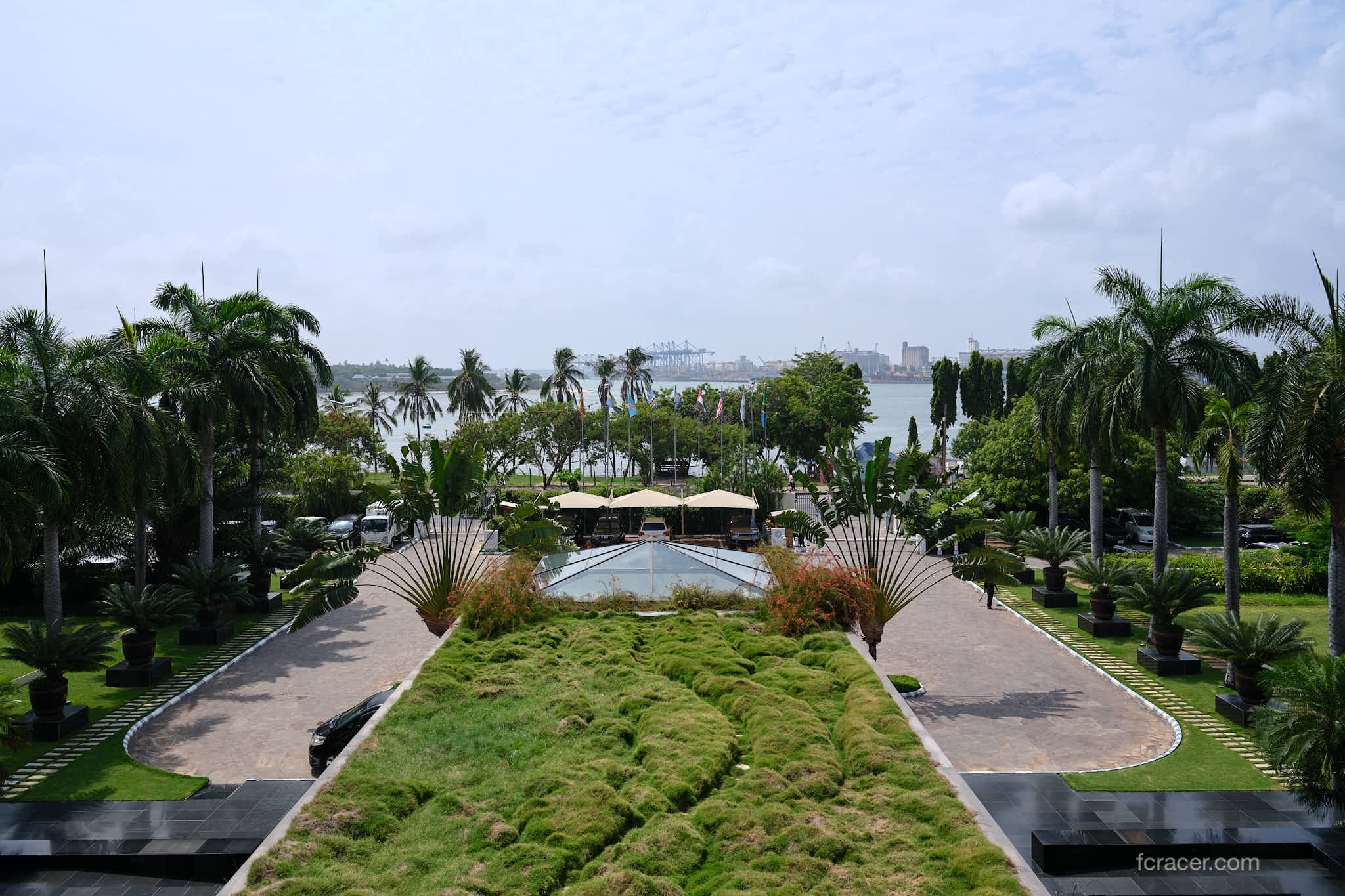
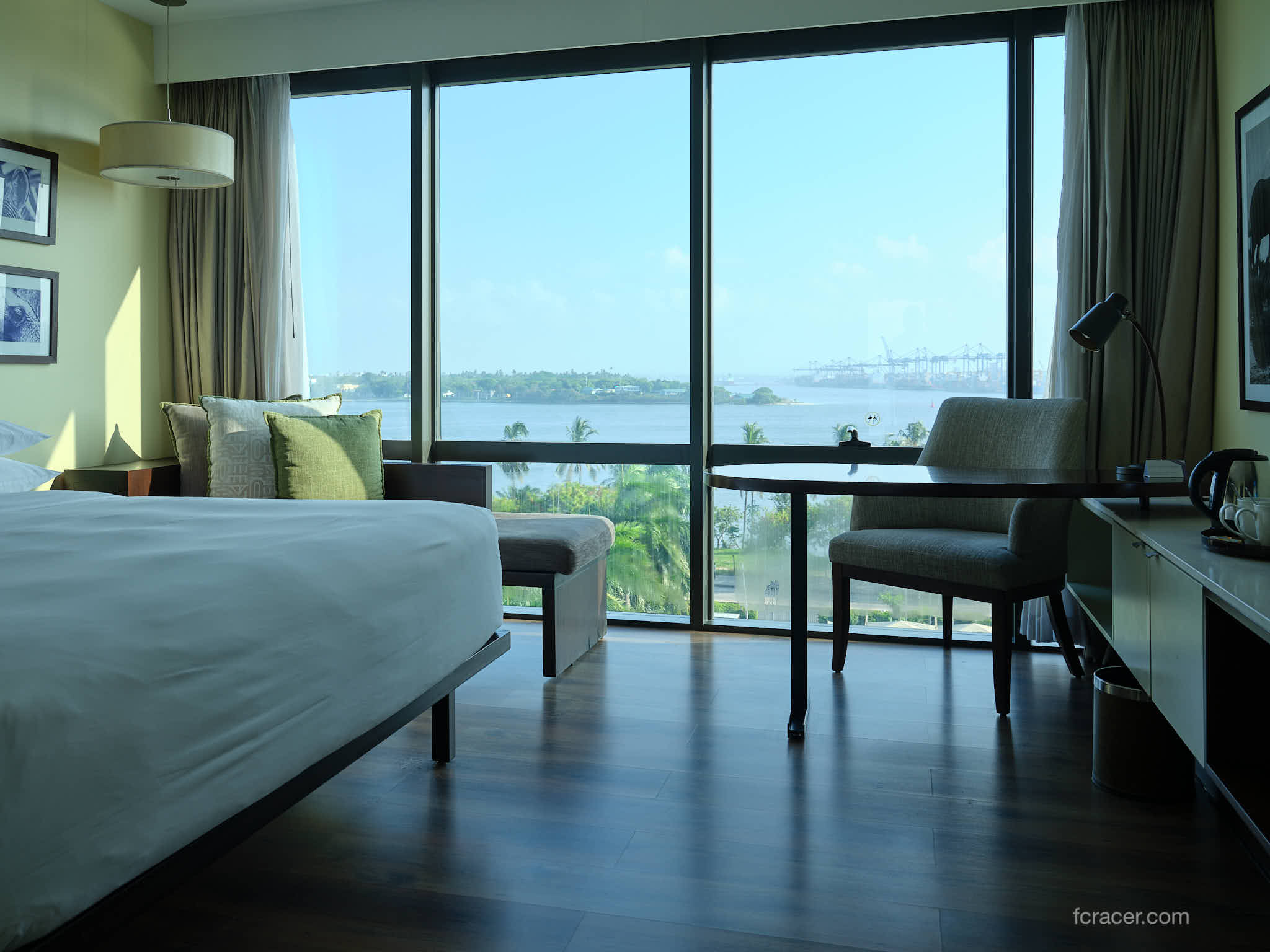
If you’re going to Dar for a business trip or want to explore the city centre, I’d highly recommend the Hyatt Regency Kilimanjaro. Be sure to book a room facing the ocean for maximum enjoyment and hit the rooftop bar every night to enjoy the view and beats. I’d like to give a special thanks to the team at the Hyatt for being so welcoming to my family and to the front desk staff, especially, Doris, who was very helpful in arranging our last-minute safari.
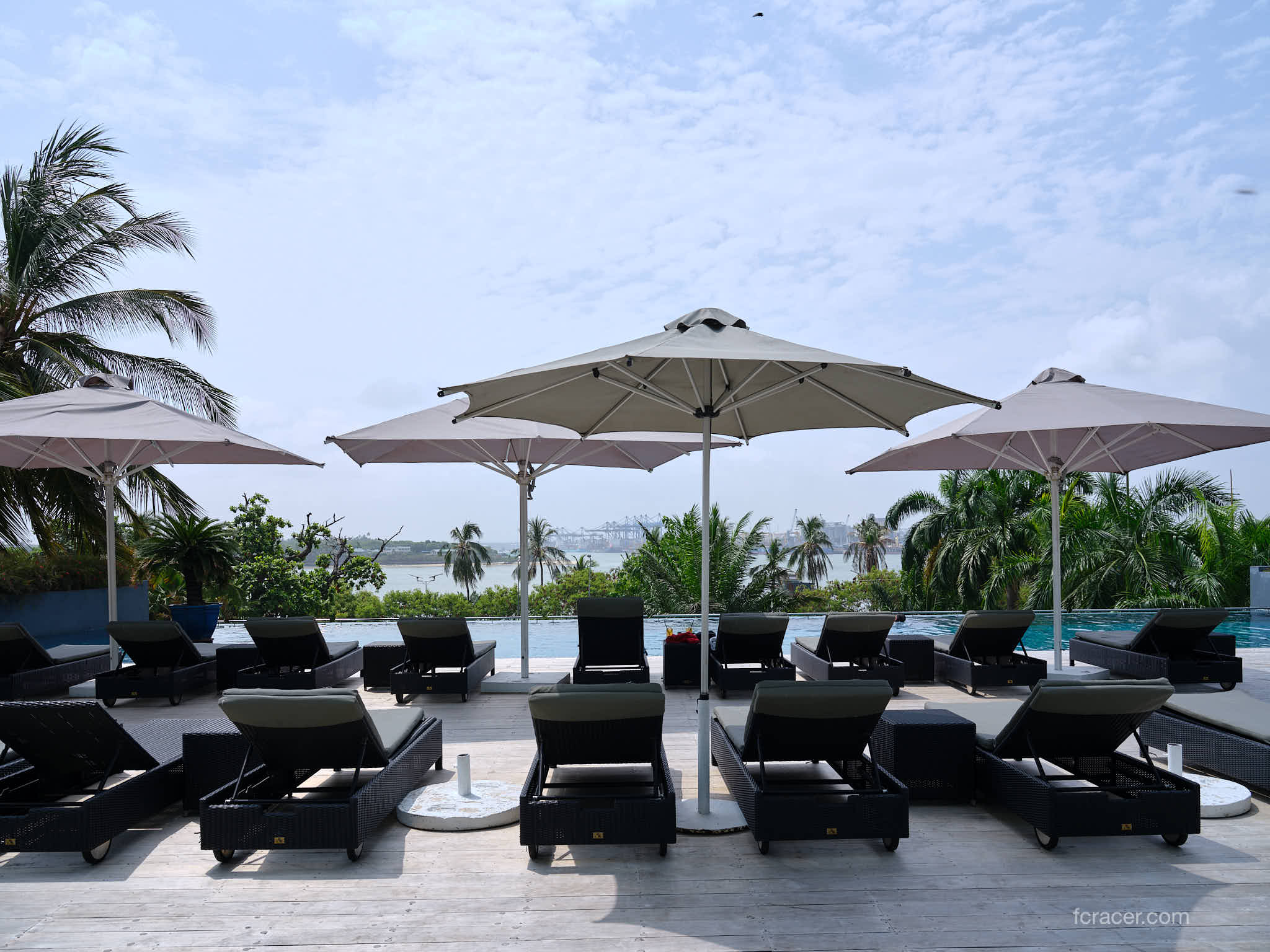
If you’re visiting Dar and want a more resort style hotel, I’d recommend Sea Cliff Hotel in Oyster Bay. My brother stayed there before and loved the location and access to the beach.
Swahili Food
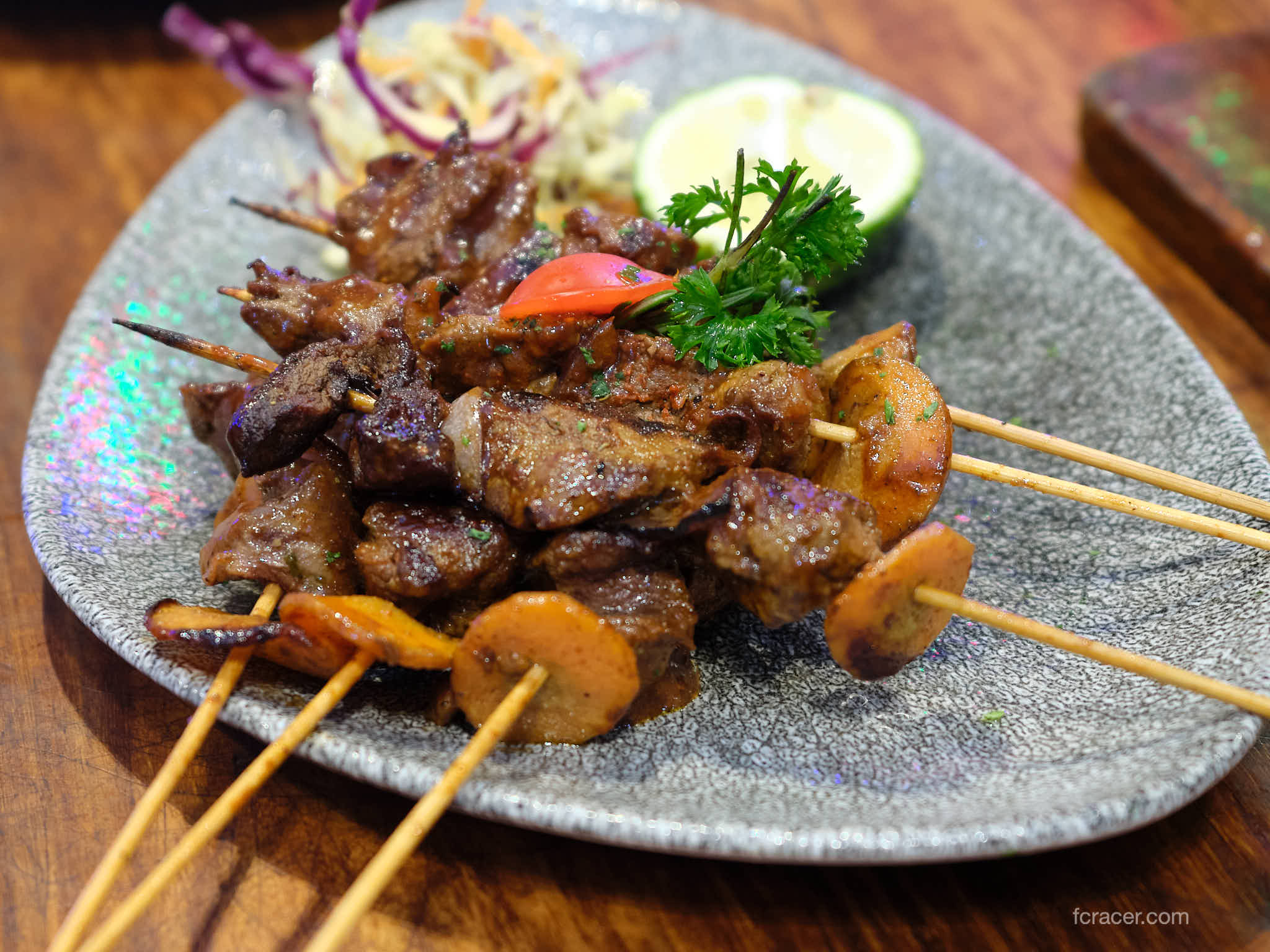
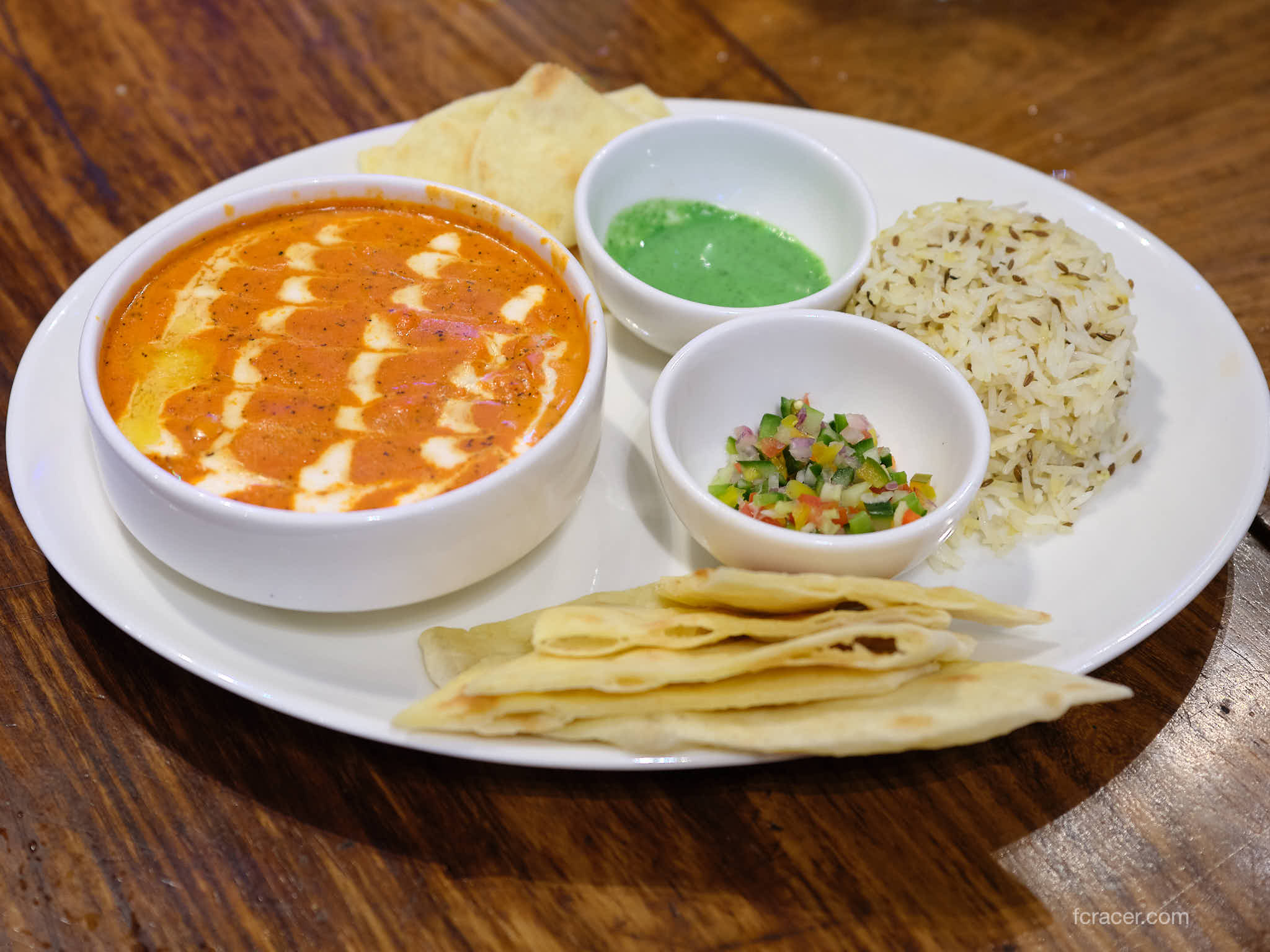
Swahili food in Tanzania is a rich reflection of the country’s coastal heritage, blending African, Arab, Indian and European flavours. Dishes often feature coconut milk, fragrant spices such as cardamom and cinnamon, and staples like rice, cassava and plantains. Common meals include pilau (spiced rice with meat or vegetables), biryani and ugali (a maize-based porridge served with savoury stews).
Fresh seafood is abundant, especially in coastal areas, with grilled fish and prawn curries frequently served. Chapati, a flatbread, is popular at breakfast, and sweet treats like mandazi (fried doughnuts) are enjoyed as snacks. Meals are typically communal, highlighting the importance of food in Swahili family gatherings and celebrations.
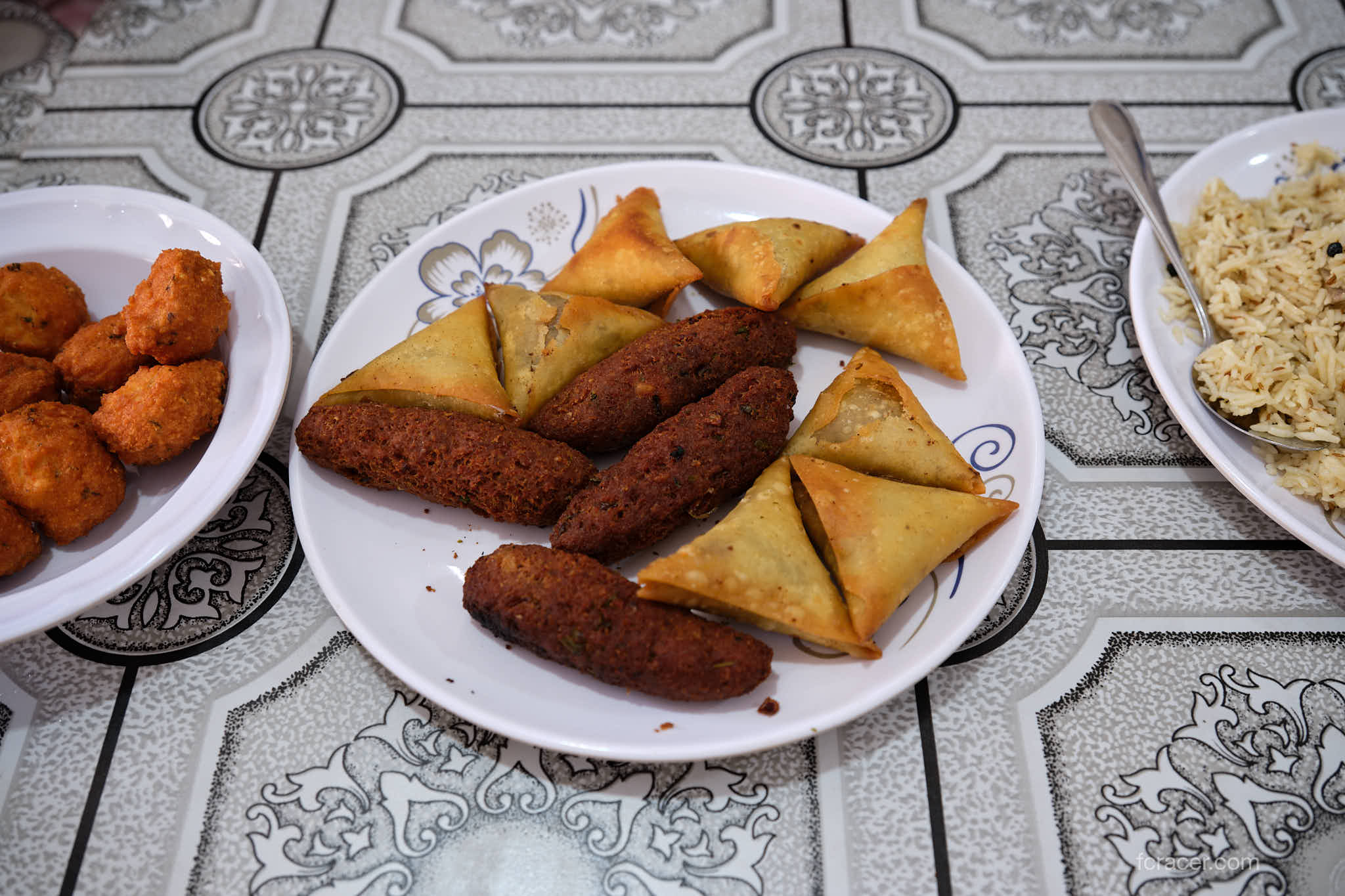
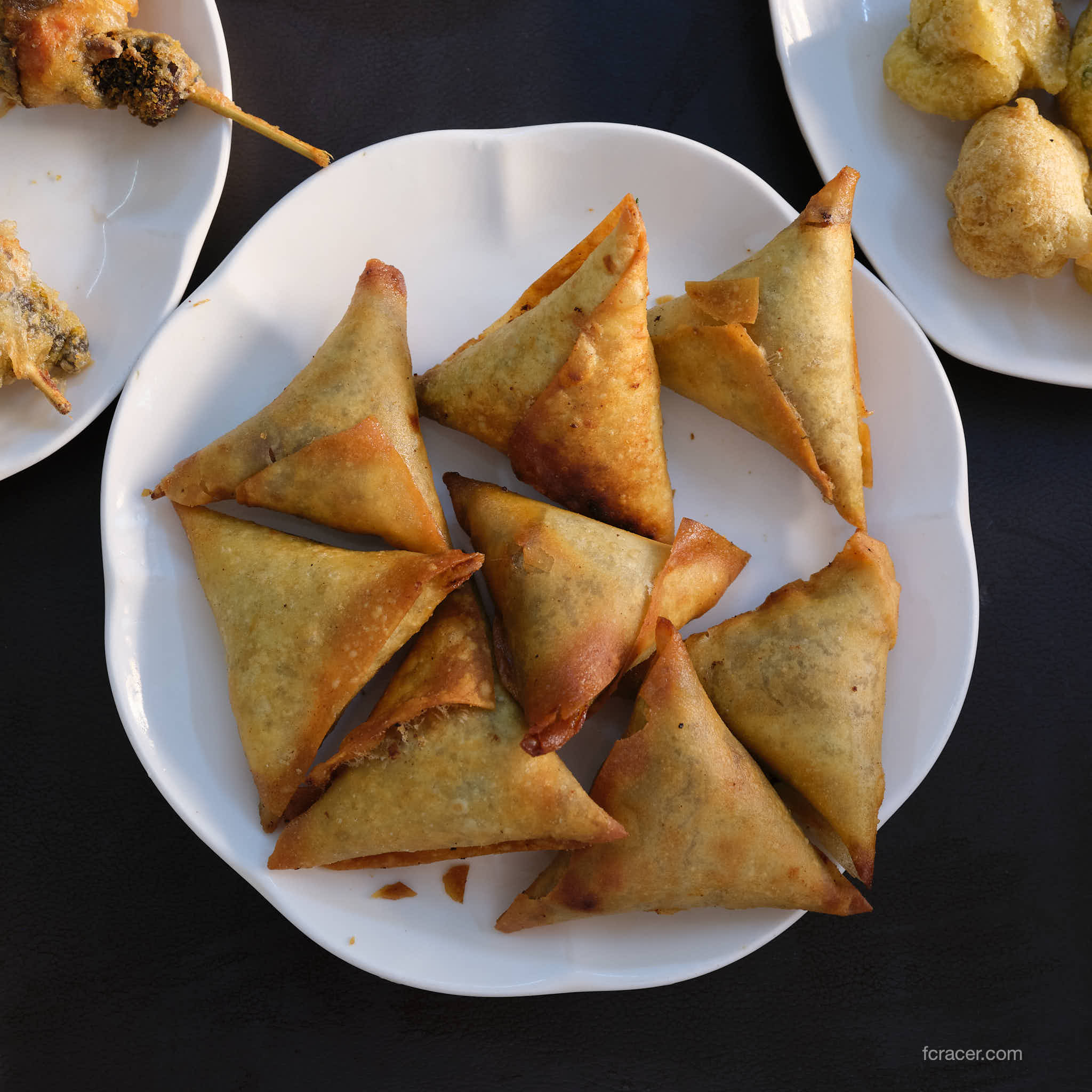
Samosas can be found everywhere on the street and they’re made in the style my mother makes them, which is with a very thin and crispy outer shell and the inside with a choice of marinated potatoes, beef, mutton or chicken.
It was super cool to eat all the foods my mother made when I was growing up, but in a restaurant setting. In Canada, Hong Kong and Mainland China, I can get close to mom’s cooking with Indian food, but while the names are the same, they’re made differently in East Africa and really aren’t comparable.
A few good restaurants and street food vendors I’d recommend include:
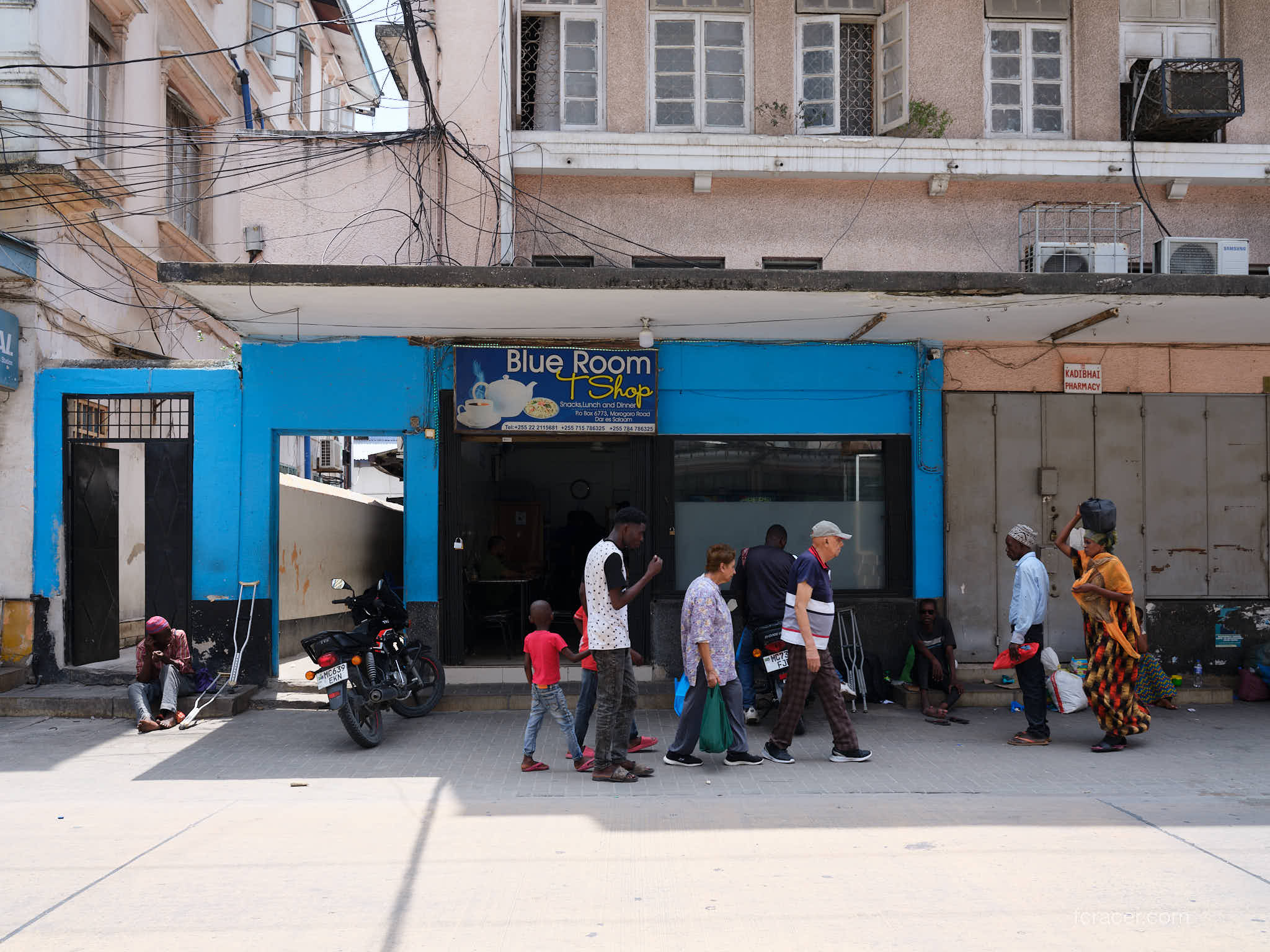
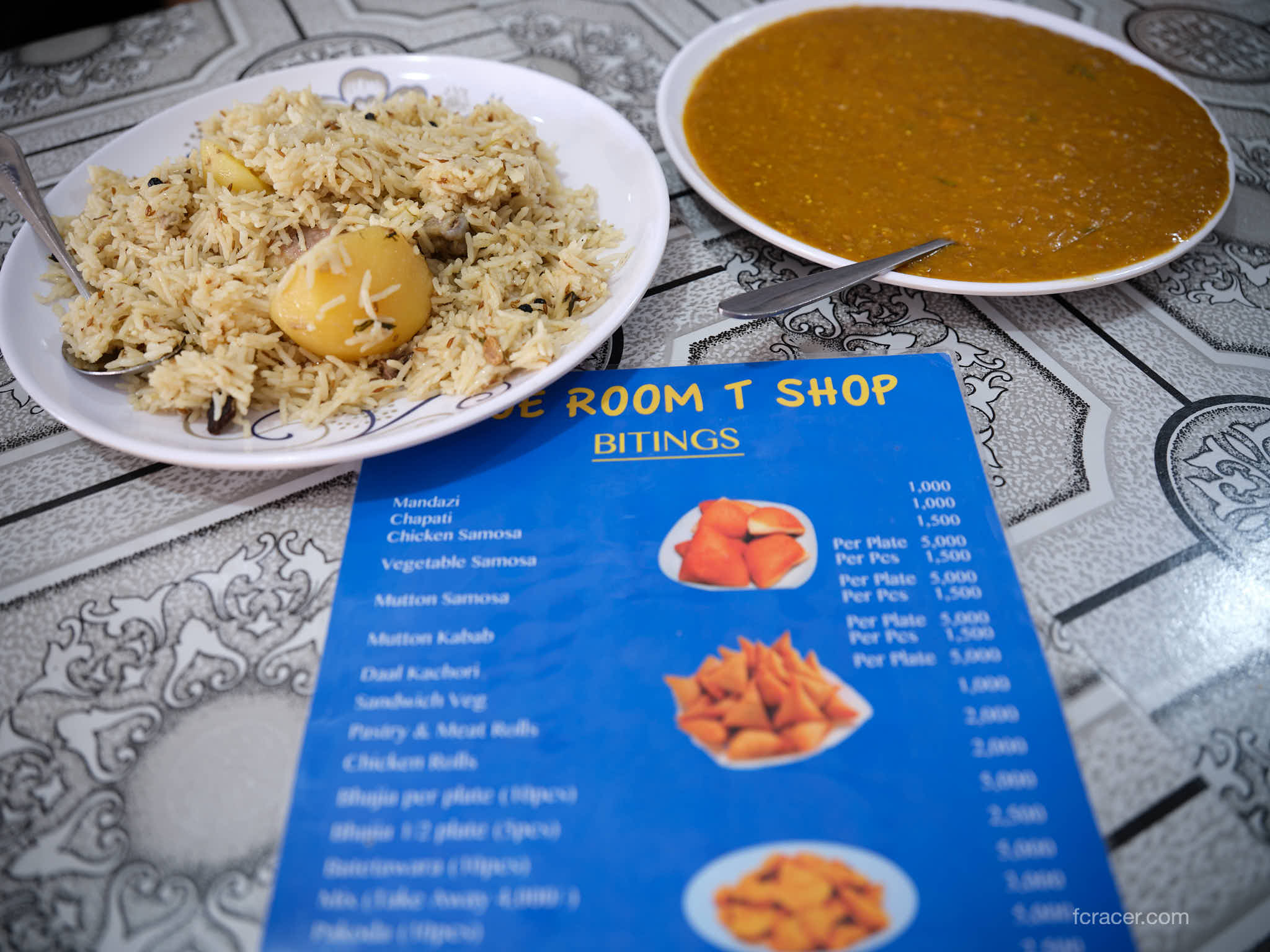
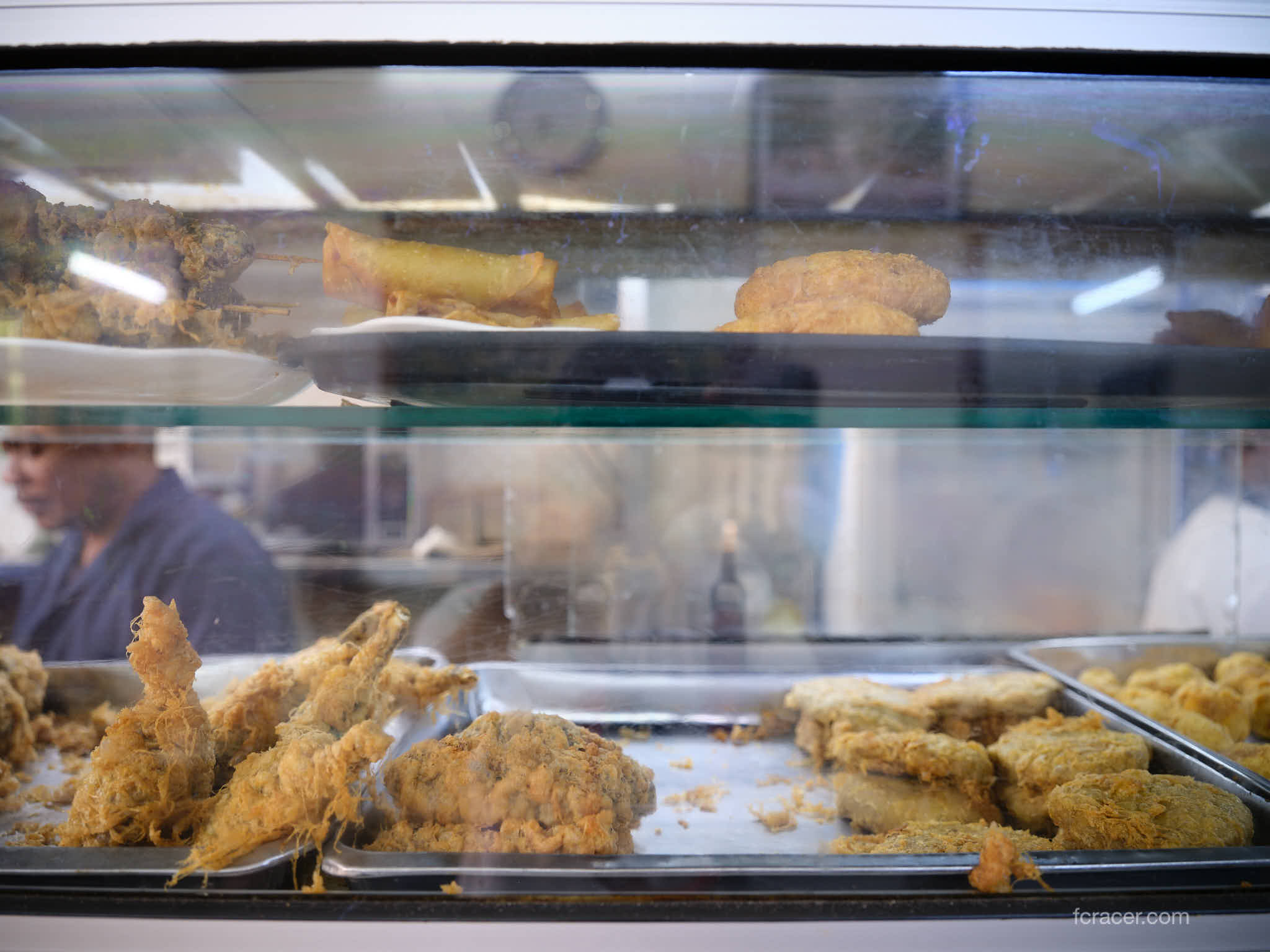
Blue Room T-Shop – This tea shop came recommended to us by many locals. They have two side-by-side locations. We picked the items we wanted from the display and menu and they brought it over to us next door. We noted the staff were very interested in our opinions of the food and were genuine and sincere in that they wanted to ensure we had a great experience. I thought these were the best kebabs and samosas we had on the trip.
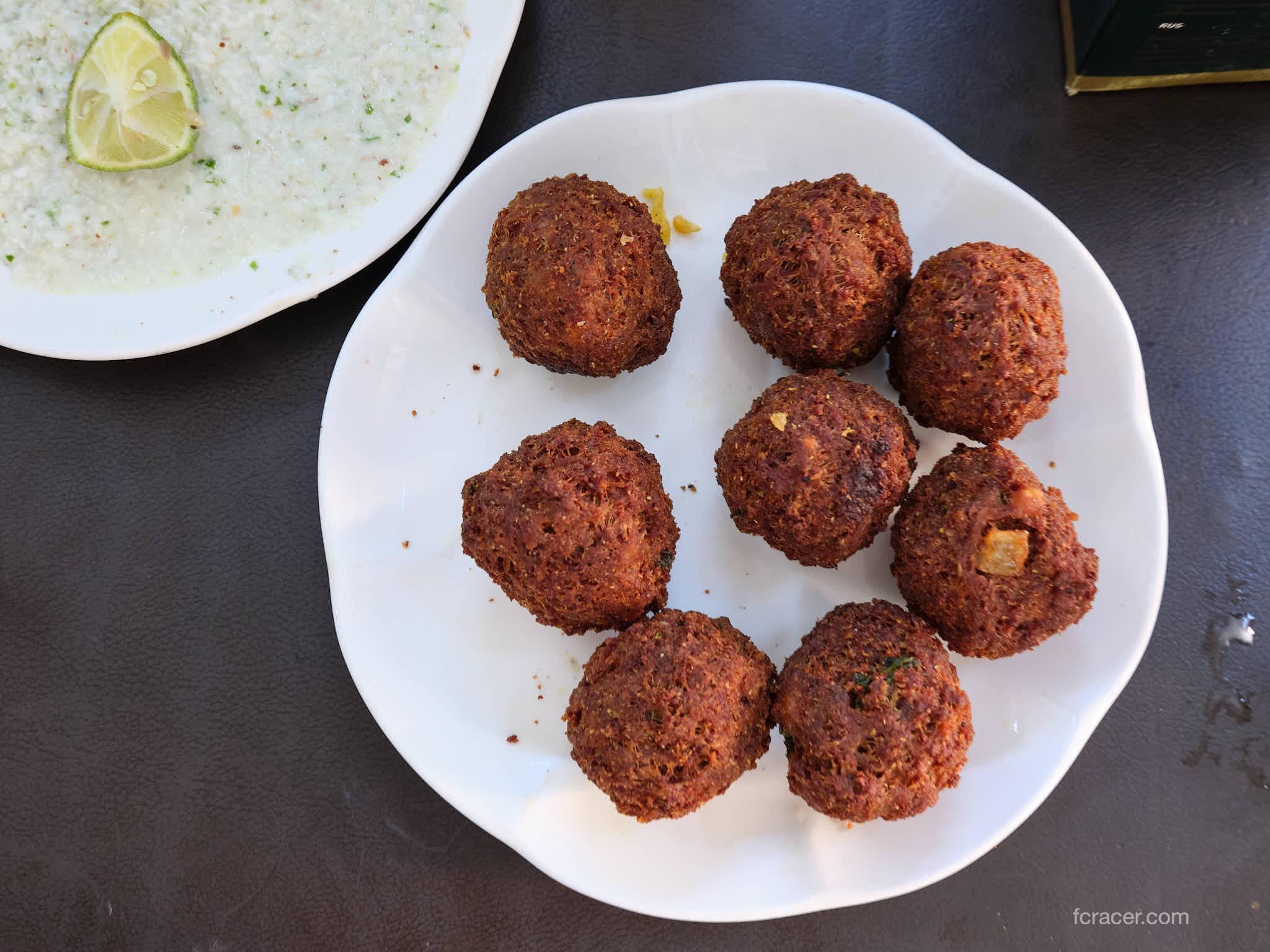
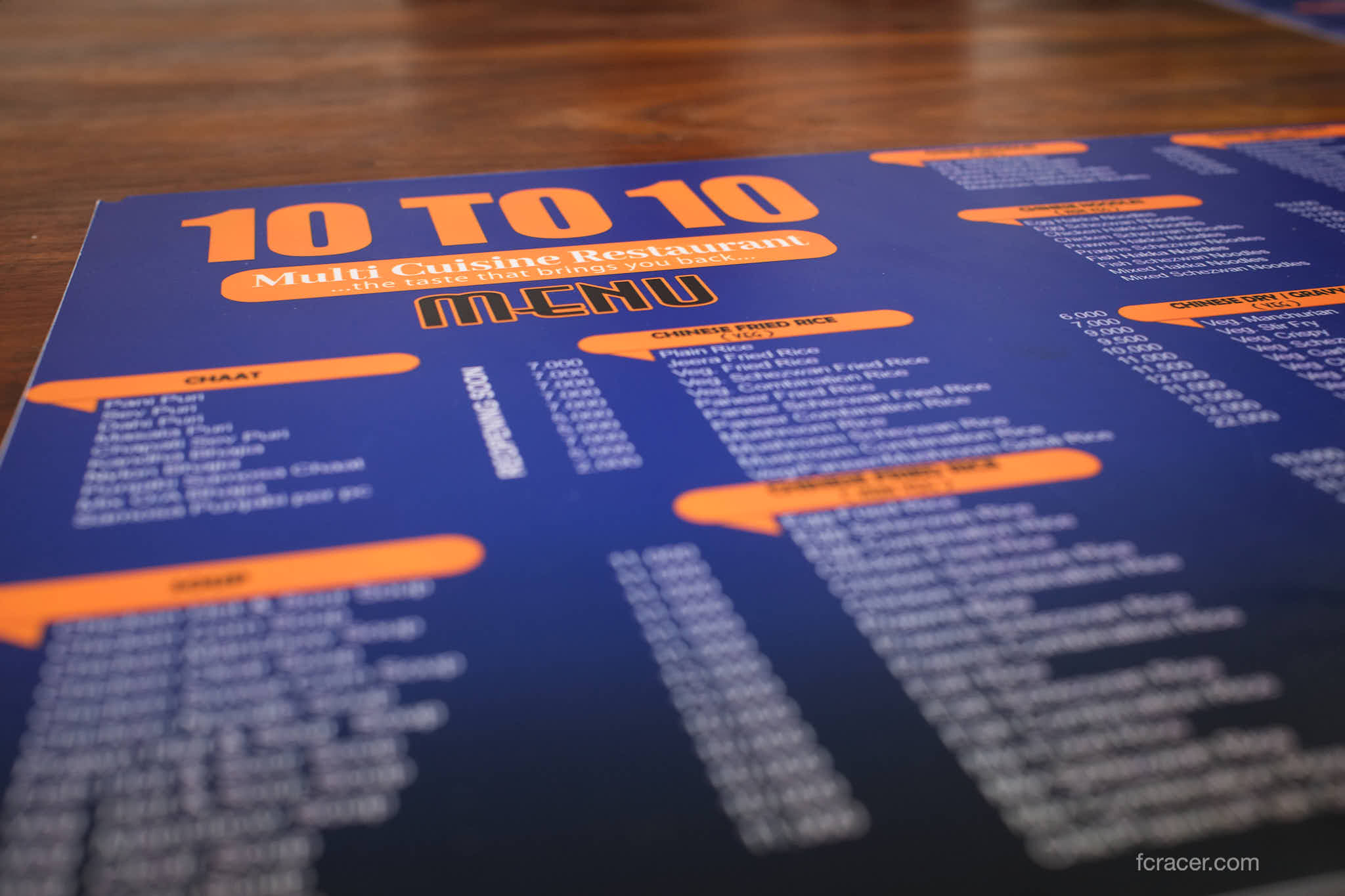
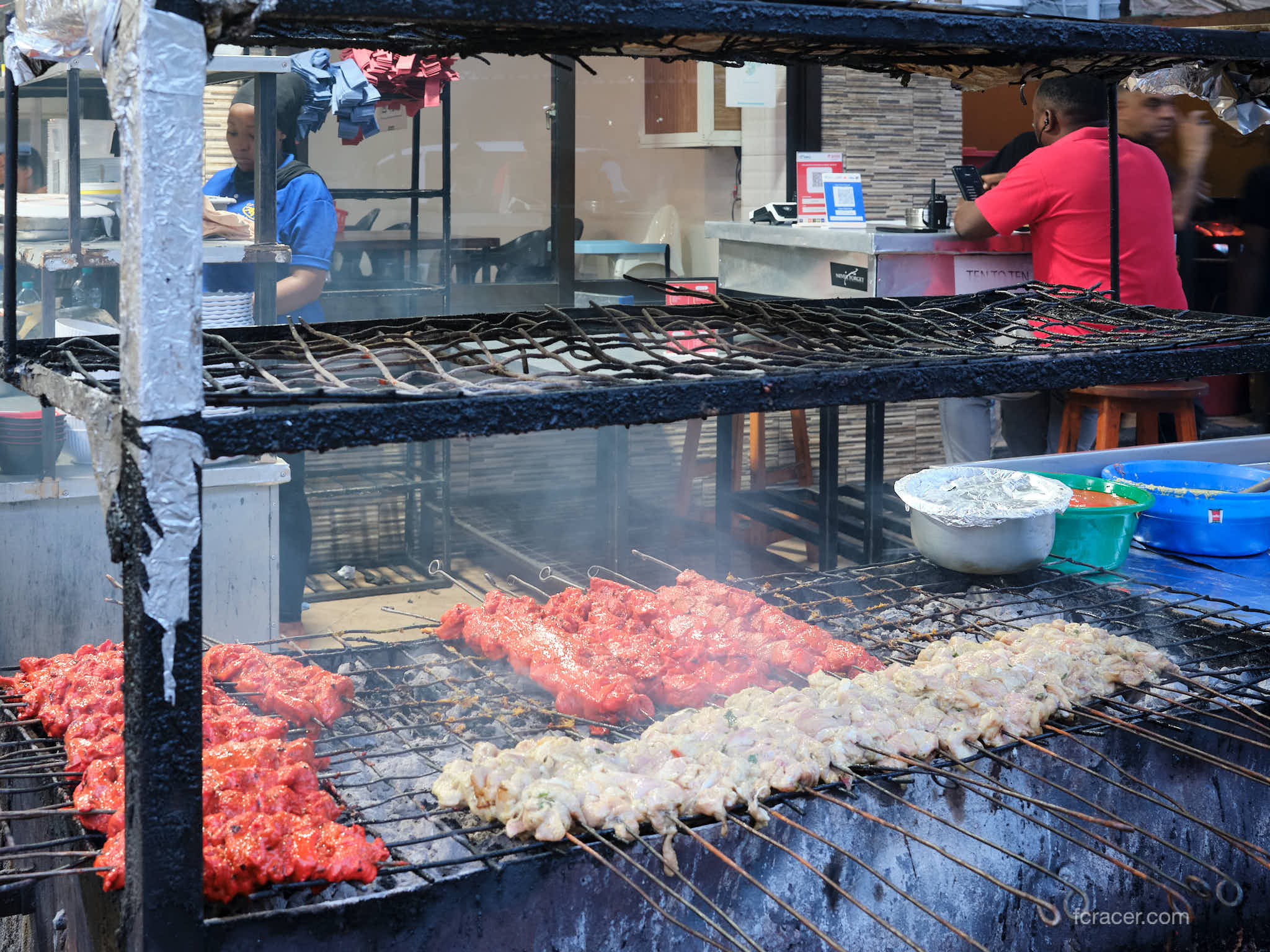
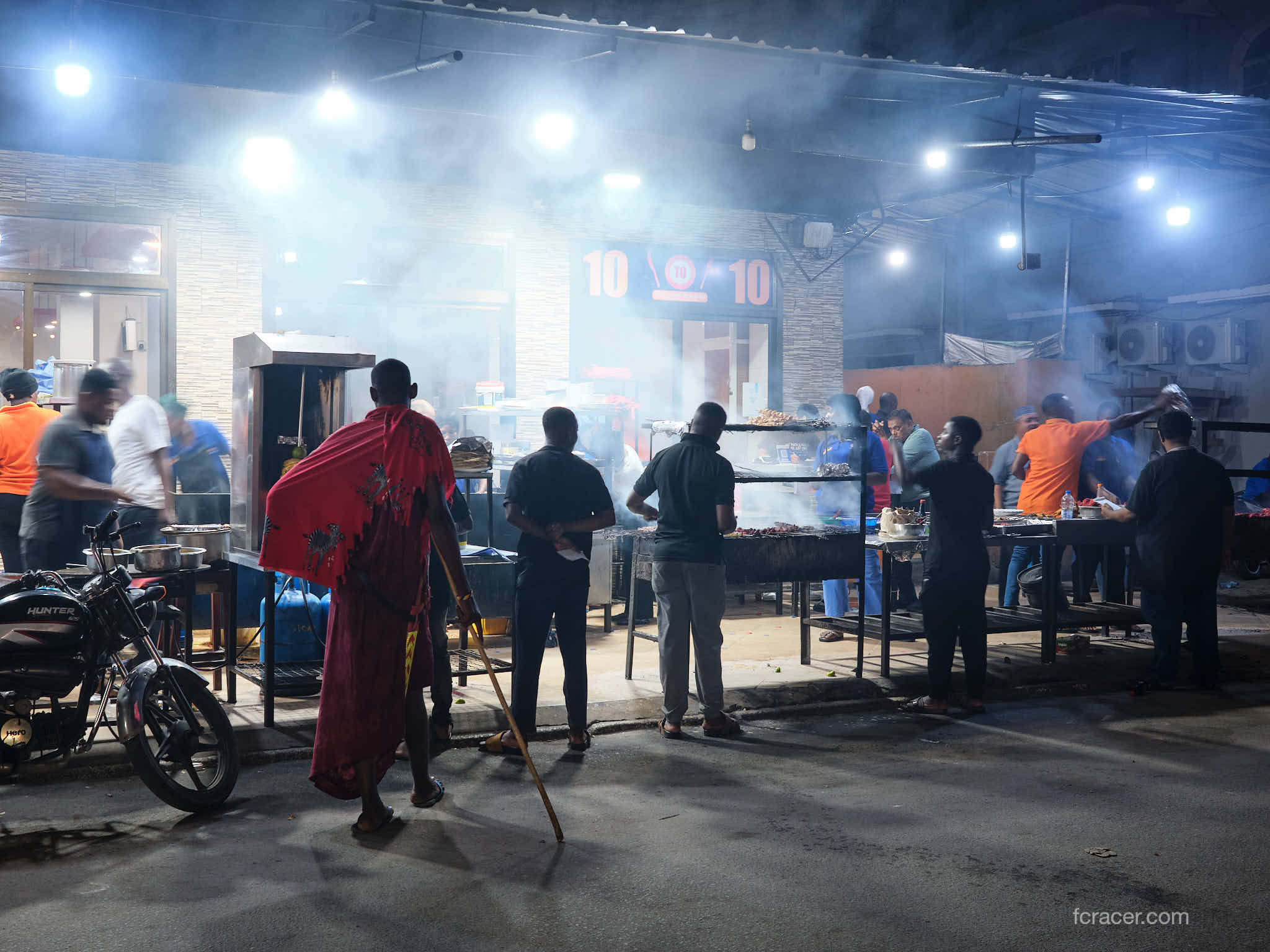
Ten to Ten – The wealth of choice and fresh BBQ was what set this restaurant apart. They had a huge room inside that easily accommodated our large 12+ party. Food took a long time to come, but this was not dissimilar to our experience at other restaurants given the local pole pole culture.
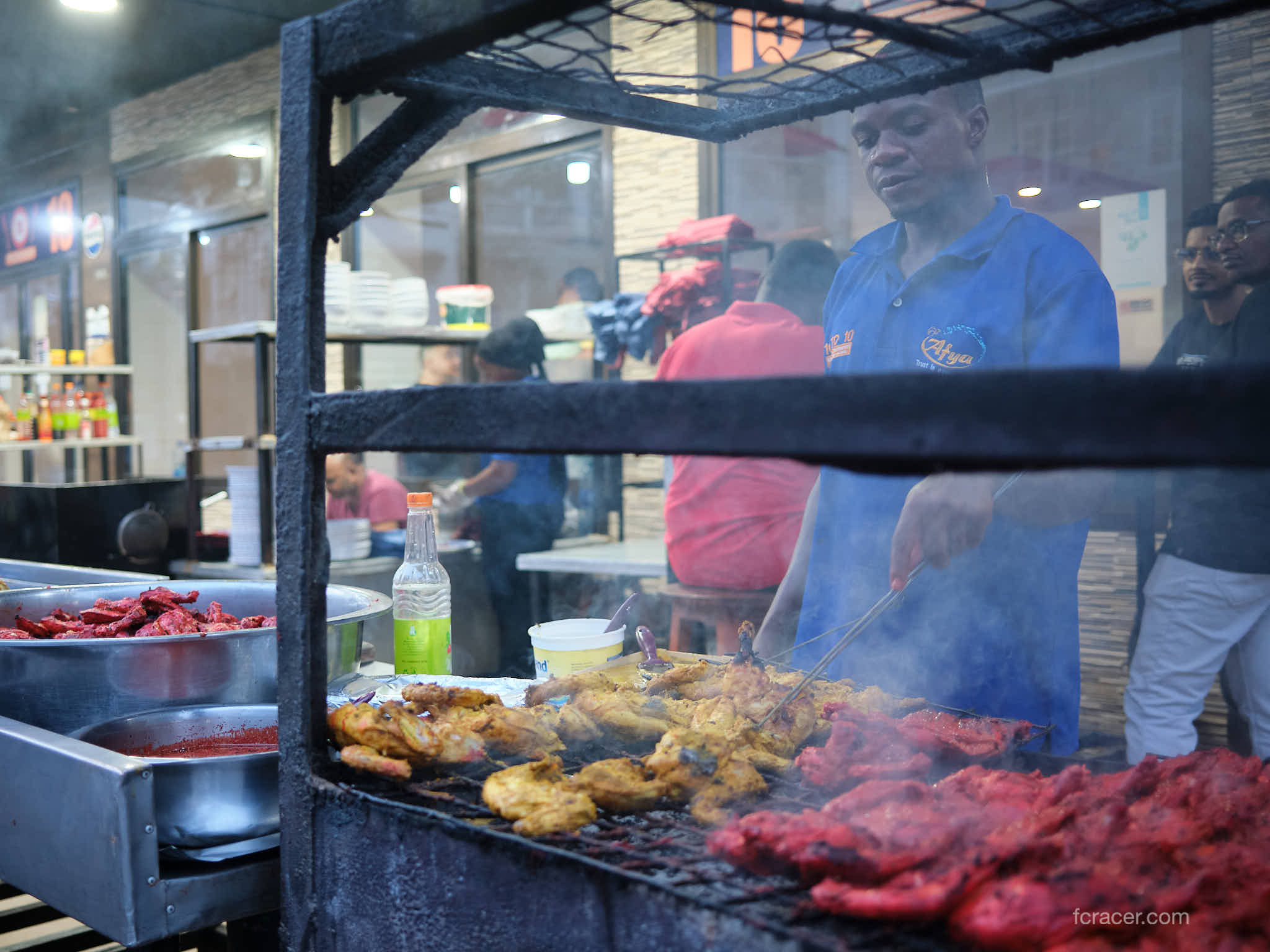
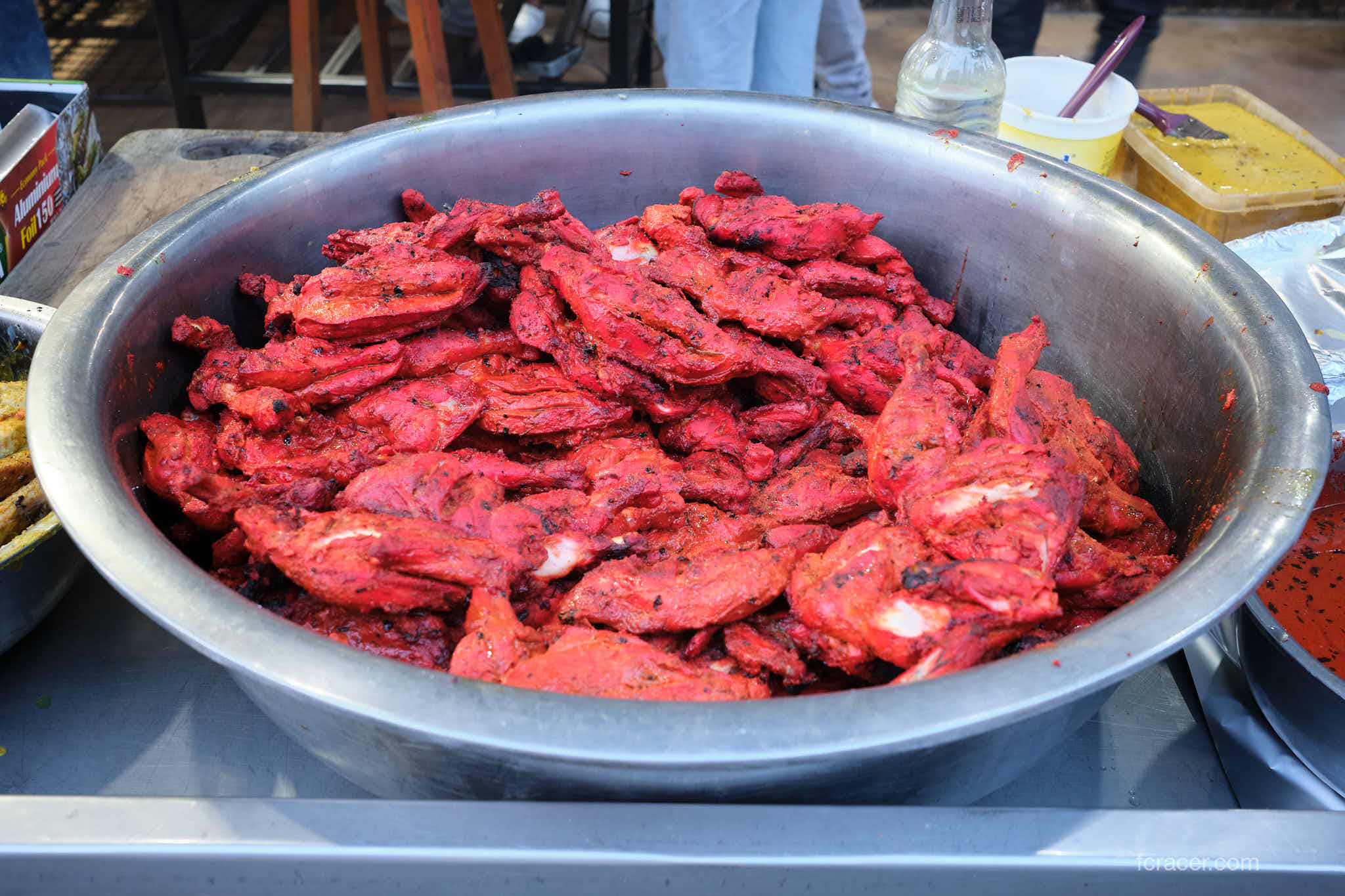
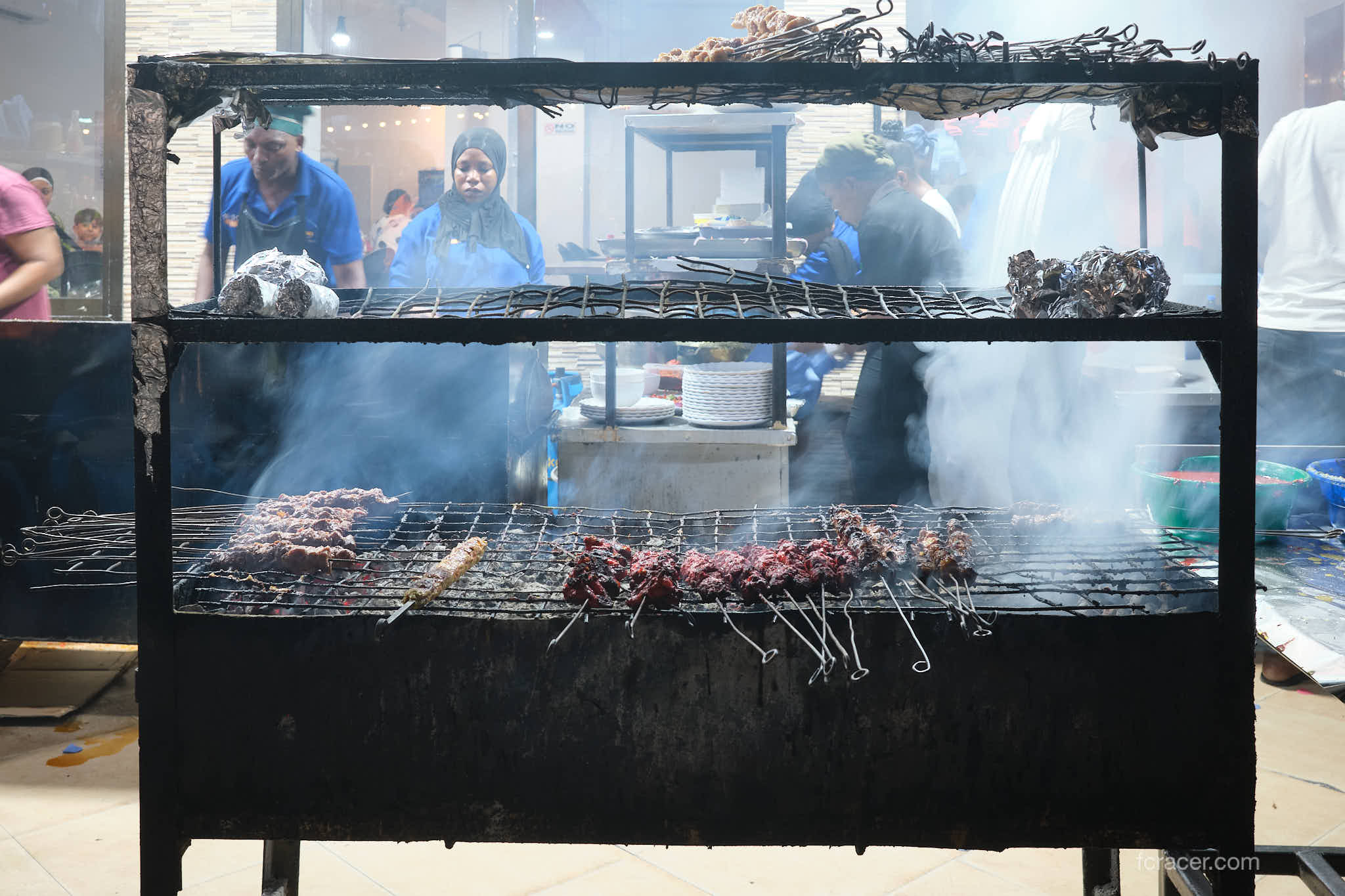
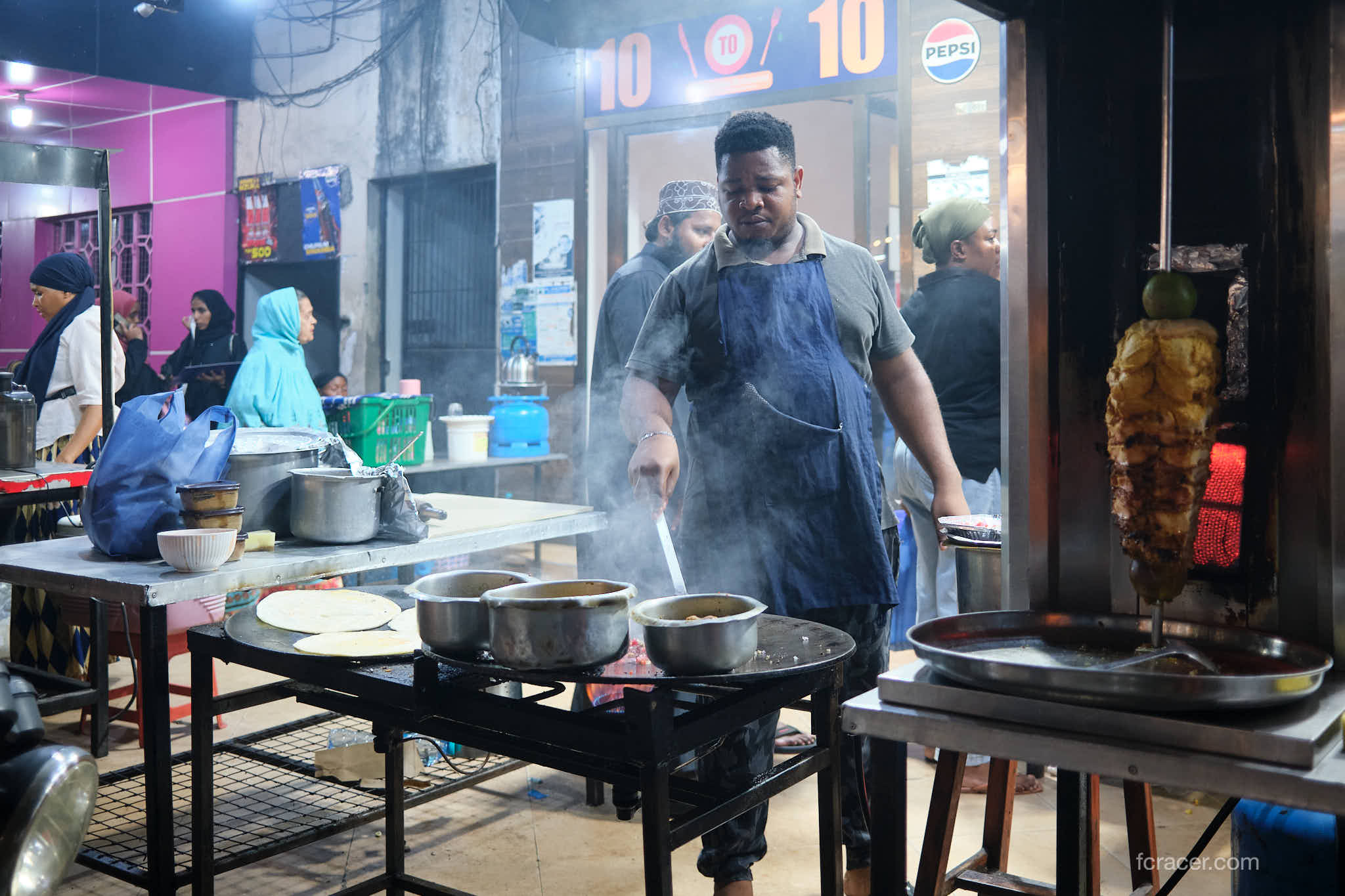
The Palm @ Hyatt Regency for the breakfast buffet – The hotel restaurant turned out to be one of the best we experienced during our stay in Dar. They have an extensive buffet to choose from, but I preferred the a la carte menu and having the food made fresh. Service was top-notch, aligned to what we experienced throughout the hotel, and the food on-point.
Levant Restaurant Masaki – This restaurant had a great vibe sitting outdoors in their very nicely decorated patio. The Lebanese food quality was excellent and they stayed open later than most restaurants around Dar. Their location in Oyster Bay made for an excellent spot from which to extend the night at local bars nearby. We found their service to be impeccable especially considering we had demanding large groups both visits.
Grand Restaurant – The key advantage of this restaurant was the immense choice of cuisines available. There was a little bit of everything for everyone. For some odd reason, my family always believes I’d want to eat Chinese food when I see them, even though I live in Beijing and eat the world’s best Chinese food everyday. My brother chose Grand Restaurant because they had an extensive Asian food menu. Go figure!
Tanzanian Ferries
As we headed out to Zanzibar Island for the next leg of our trip, we had the choice of taking one of several ferries or flying a local airline. My brother had taken Coastal Airlines before and loved the experience, which was akin to a private jet, with eight seats and your captain sitting next to you. My other brother however wanted to have the whole family together and chose the ferry instead.
Oh my gosh was this ever a bad decision! The price of the Azam Ferry for the VIP seats was about USD $110, which was on par with the Coast Airline flight of USD $105. We would save some time getting to the ferry terminal (or so we thought) which was 700 m away and also on arrival with our hotel only 900 m away, versus taking the flight which would required 30-40 mins traffic on each side. This would however be somewhat offset by the shorter flight time.
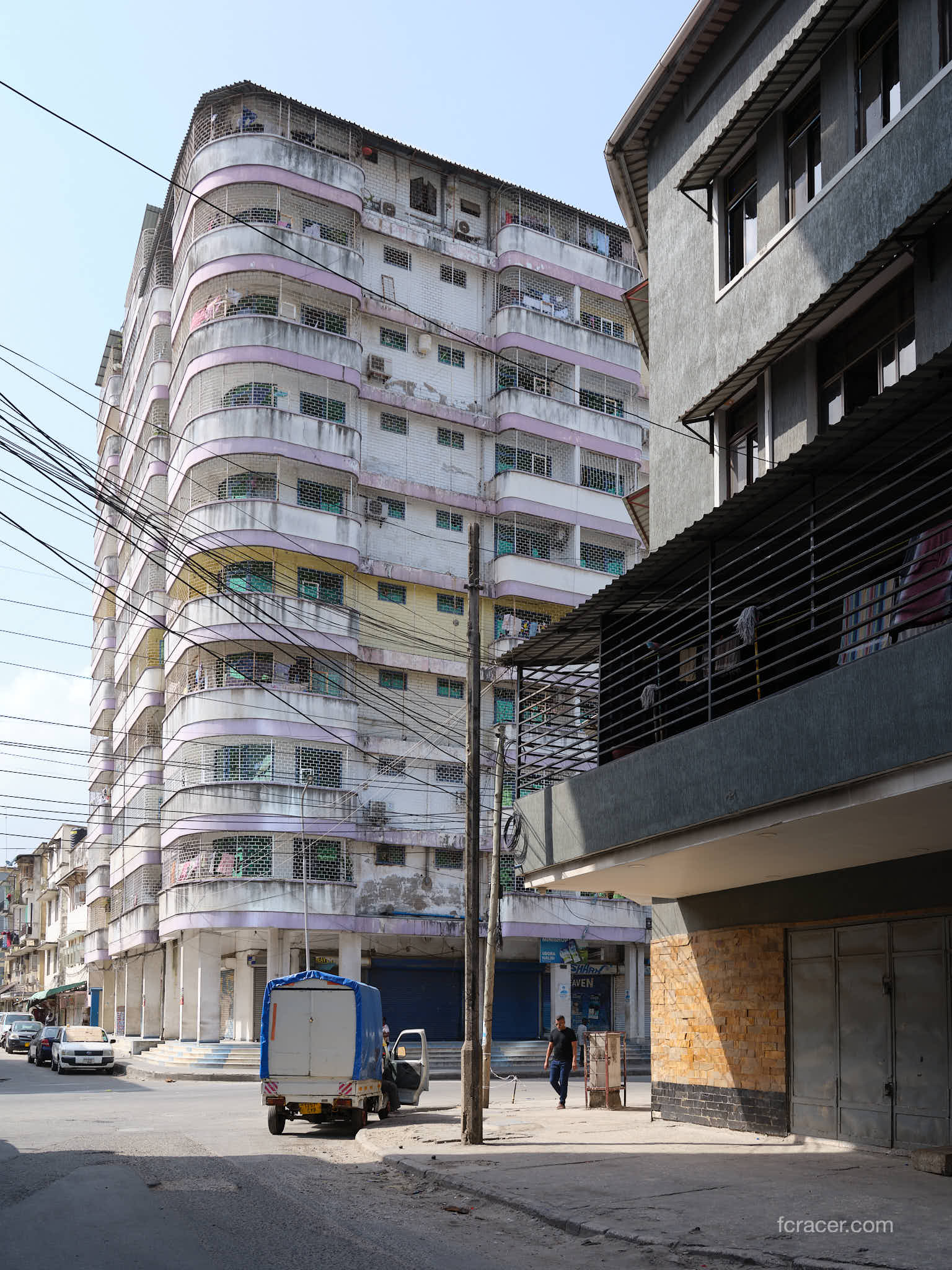
None of this would soon matter as we departed for the Azam Ferry Terminal in Dar. While the ferry terminal was only 700 m away (10 mins walk), the traffic to get there took us 25 mins. If the sidewalks were in better shape, we could have walked there much faster, but alas, with so much luggage, it wouldn’t have been practical.
We were now cutting it very close to the departure time and anxiety and tension was building up in the car; things went from bad to worse and perhaps even horrific. As our white minivan pulled up at the ferry terminal, our minivan was swarmed by young men. They were pounding on the windows and trying to open the doors and rear hatch.
To our astonishment, our driver unlocked the doors, upon which time our luggage quickly disappeared into the ferry terminal, each piece taken by a young man. We weren’t able to follow them since we had to go through the ticket check. I was holding onto my carry-on luggage and backpack and refused to let the boys take them since I had my delicate camera equipment inside and my wallet.
One boy angrily told me, “we’re not stealing your luggage, we’re helping you, give me the bags or you won’t get through”. I refused to let him or any of the other boys take my camera bag. Once we got our tickets stamped, we regrouped and quickly aligned on two things: 1. We can’t do anything at this point; and 2. The more friendly we appear, the more chances we have of getting our luggage back.
As we calmly walked through the remainder of the ferry terminal and got our carry-on bags’ labels attached (while complete chaos was happening around us), we came upon a group of about 10 boys that happened to have our luggage on the other side of the x-ray scanning machine.
The boys tried to negotiate with each of us for TZS 10,000 or about USD $4. I stepped in and started to negotiate for the whole group, which was four of us at that time. We ultimately settled on TZS 30,000 or USD $12 for their “help” in getting our luggages tagged and put through security.
This included 6-7 pieces of luggage and two carry-on items. While we were grateful our luggages were not stolen, the tags the boys put on the bags were not aligned with our seat class, which meant that upon arrival in Zanzibar, some of our luggage appeared in the VIP trolleys while others didn’t come out until the very end in the regular trolleys.
If I could go back in time, I would have asked the driver to stop outside of the ferry terminal parking lot, gotten out of the car, unlocked the truck, confidently smiled at the boys and said “no thank you”. We found out later that a simple and confident “no thank you” usually got the people to move onto someone else. Having said that, the Blackhawk Down style ambush is a memory we’ll never forget and perhaps worth every one of the USD $12 it cost us!
As we sat in the wildly rocking ferry, we couldn’t help but think about how nice it would have been to go to the airport and board our “private” plane. Certainly, we’ll never take the ferry route again, if given a choice.
Upon arrival at Zanzibar Island, the situation was no less chaotic, however we’d learned to be confident and polite and prevented most of the boys from inadvertently helping us. The luggage system was by trolleys. It was very important therefore to remember the number of the trolley that our luggage was put into. We didn’t so we found ourselves chasing hundreds of people to every trolley.
Once we had our luggage and managed to get through the hoards of people, we found our driver and took the painfully slow 35 mins ride to the hotel that only covered 900 m. The recommendation here is to take the local Coastal Air flight instead of the ferry; there were no redeeming qualities to the ferry.
Conclusion
Dar es Salaam was a once-in-a-lifetime opportunity for us to learn more about our mother’s heritage and I feel very fortunate to have had this time with her. At 81 years old, I don’t know if we’ll get another chance like this. The city is what it is, but having her there with us made it magical; I’ll always have a fond place in my heart for Dar and I may even visit it again one day and spend more time in a nicer area like Oyster Bay and stay at a non-business hotel like the Sea Cliff Hotel.
I hope you’ve enjoyed this first post of several to come regarding Tanzania. The next one will be about a last-minute day safari we took from Dar es Salaam to Mikumi National Park. I can’t wait to share the images and learnings with you from my very first safari experience.
Gear Used
Since this trip was going to include multiple stops including Bangkok, Dar es Salaam, Zanzibar and potentially a safari, I packed quite a bit of equipment. Fortunately, this all fit easily in my trusty 12 years old the Rimowa Original Cabin luggage and Peak Design 20L Everyday Backpack.
- Fujifilm GFX100S II
- Fujinon GF55 f/1.7
- Fujinon GF32-64 f/4
- Fujinon GF110 f/2
- Canon EF 100-400 USM II with Fringer adapter
- Fujifilm X100VI
All images were edited and processed in Capture One Pro Mobile using an Apple Pencil Pro and Apple 11″ iPad Pro M4.
Discover more from fcracer - Travel & Photography
Subscribe to get the latest posts sent to your email.
Great story, Farz! I think i would have struggled to handle the luggage helper “raid” with much grace or composure. Looking forward to the next one!
Thanks Yarko. I want to make it clear that we were never in any real danger. It was just so unfamiliar to us and the approach was not something we would have expected, so we somewhat overreacted in the moment.
I can appreciate that! We experienced similar once on Lombok and it was unnerving but ultimately harmless.